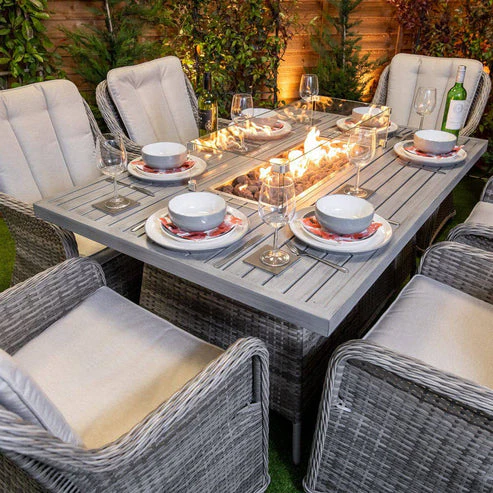
This guide exists because you deserve better than guesswork. You're not just buying a few chairs and a table; you're investing in countless summer afternoons, family gatherings, and the simple pleasure of having an Luxury Rattan Outdoor Furniture UK space that genuinely works for your life.
Why This Matters More Than You Think
Quality outdoor furniture is one of those purchases that pays dividends over time — but only if you choose wisely. A well-made rattan set can last 10-15 years with proper care, whereas budget alternatives often start deteriorating within 18 months. That's the difference between a piece that becomes a beloved part of your home and one that becomes an eyesore you're embarrassed to have guests see.
Safety is equally crucial. Children test furniture in ways adults never anticipate — they climb, bounce, and lean at odd angles. A sturdy frame with reinforced joints isn't just about longevity; it's about peace of mind when your eight-year-old is using the armrest as a balance beam. Similarly, UV-resistant fabrics and non-toxic finishes matter when little ones are spending hours outdoors.
Then there's the maintenance question. British weather means your furniture faces constant moisture exposure — from morning dew to unexpected April showers to autumn dampness. Furniture that requires hours of seasonal cleaning and treatment is furniture you'll eventually resent, not enjoy.
What You'll Actually Learn Here
We're going to walk through the specific features that separate genuinely durable luxury rattan from the pretenders. This means understanding frame construction — why aluminium with reinforced corner joints outperforms hollow steel, for example — and learning which synthetic rattan weaves actually resist UV fading (hint: not all of them do).
You'll discover how to spot child-safe design elements, from rounded edges to secure cushion attachments, without sacrificing style. We'll also tackle the fabric question: what makes outdoor upholstery actually withstand British weather, and why some premium fabrics cost more but genuinely last longer.
Crucially, you'll learn what maintenance is realistic for your lifestyle. Some families love seasonal deep-cleaning rituals; others want furniture they can hose down and forget about. Both approaches are valid — you just need to choose furniture that matches your actual habits, not your aspirational ones.
By the end of this guide, you'll have the knowledge to confidently choose Luxury Rattan Outdoor Furniture that genuinely earns its place in your garden, withstands your family's lifestyle, and brings real joy rather than stress for years to come.
Invest in Lasting Comfort: Choosing Durable Luxury Rattan Outdoor Furniture UK for All Seasons
The difference between outdoor furniture that lasts a decade and furniture that falls apart in two years comes down to what you can't see — the frame hidden beneath all that beautiful weaving. Get this right, and you're looking at a genuine investment; get it wrong, and you're throwing money at something that'll be landfill within seasons.
Understanding Frame Materials and Construction for Longevity
Your rattan furniture's skeleton determines everything: stability, rust resistance, and whether your teenage son can actually lean back in that chair without it creaking ominously. The frame is where luxury furniture separates itself from the budget alternatives gathering dust in garden centres across the country.
Aluminium frames are your gold standard for UK outdoor furniture. They're naturally rust-proof — unlike steel, which oxidises the moment moisture touches it — and they're significantly lighter, meaning you can actually move that corner sofa without recruiting your neighbours. A quality aluminium frame will weigh around 15-20kg for a two-seater, compared to 25-30kg for equivalent steel, and it won't degrade when exposed to our damp climate year-round.
Steel frames do exist in luxury ranges, but they require powder-coating or galvanising to resist rust, adding cost and complexity. If you do choose steel, verify it's been hot-dip galvanised — that's the industrial-strength process that creates a zinc barrier, not just a surface coating that chips away.
Now, how those frames are joined matters just as much as what they're made from. Welded joints are superior to bolted ones for outdoor furniture because they create a seamless connection with no gaps where water can seep in and cause corrosion or loosening over time. A bolted joint might wobble slightly after three years of garden use; a properly welded frame will feel as solid at year seven as it did on day one.
Look for frames with reinforced corner joints — these are the stress points where arms meet the seat back, where weight concentrates, and where cheaper furniture fails first. Premium manufacturers often use triangular bracing or double-wall construction at these corners, adding minimal cost but dramatically improving longevity.
The rattan itself matters equally. UV-stabilised synthetic PE (polyethylene) rattan is the only sensible choice for UK gardens. Natural rattan absorbs moisture, splits in direct sunlight, and becomes brittle within a few seasons — it's genuinely unsuitable for our climate. Cheaper PVC rattan fades noticeably within two years and becomes sticky in summer heat. Quality PE rattan, by contrast, resists fading for 5-7 years of direct sun exposure and maintains its flexibility and colour far longer.
Weatherproofing Your Investment: Rattan's Resilience to UK Elements
British weather is relentless: we get UV exposure on clear days, unexpected downpours, frost in winter, and that particular dampness that seems to seep into everything. Your furniture needs to handle all of it without deteriorating.
UV protection in quality synthetic rattan comes from additives mixed into the material during manufacturing — it's not a surface treatment you can see, but it's what prevents that faded, bleached appearance that makes furniture look elderly after just a couple of seasons. Brands like Bramblecrest and Maze use UV stabilisers rated to withstand 5+ years of unprotected UK sun exposure without noticeable colour shift.
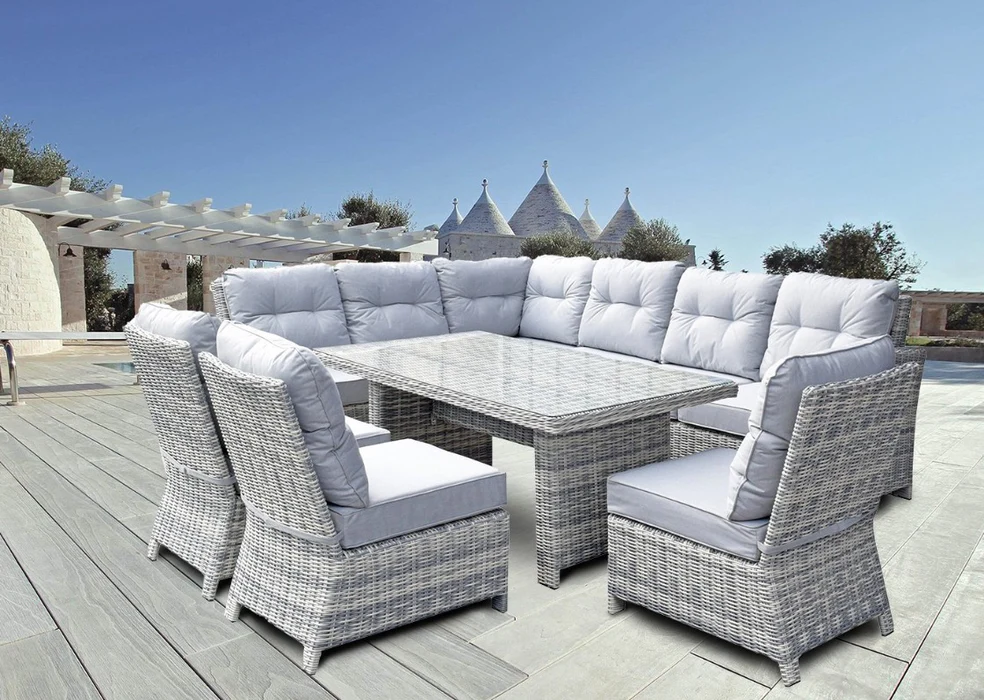
Consider this bigzzia 4 PCS Garden as an excellent choice.
Water resistance goes beyond just the rattan itself. Quality cushions should have quick-drying foam inserts — these drain water rapidly rather than absorbing it like a sponge, preventing that damp, musty smell that develops in British gardens. The fabric covering those cushions matters too; look for hydrophobic coatings that repel water rather than absorbing it, which prevents mould growth in our perpetually damp climate.
Storage and protection extend your furniture's life significantly. A breathable, heavy-duty cover — not a plastic tarp, which traps moisture — keeps frost and prolonged dampness at bay during winter months. Many families store cushions indoors October through April, which is sensible given how much moisture accumulates outdoors during British winters.
You don't need to obsess over maintenance, but understanding these weatherproofing features helps you choose furniture genuinely designed for UK conditions rather than something marketed as outdoor furniture but really built for Mediterranean climates.
Peace of Mind Outdoors: Ensuring Safety and Stability in Family Rattan Furniture
Your kids are playing tag around the garden furniture whilst you're trying to relax — the last thing you need is worrying whether that chair will tip or if someone's going to crack their head on a sharp corner. Safety isn't an afterthought in quality luxury rattan; it's built into every aspect of the design.
Prioritising Structural Integrity and Child-Friendly Design
A stable base is the foundation of safe outdoor furniture, literally and figuratively. Look for pieces with wide, weighted bases that distribute load evenly across all legs — a dining chair should feel immovable when you lean back hard, not wobble or shift slightly. Taller items like bar stools or high tables are particularly vulnerable to tipping, so check that the base width is at least 60% of the seat height; anything narrower is a risk waiting to happen.
Children's furniture safety comes down to eliminating sharp edges where possible. Rounded corners and edges on tables, armrests, and chair backs reduce injury risk dramatically — compare a sharp 90-degree corner on a budget piece to the smoothly bevelled edges on premium ranges, and you'll immediately see the difference. Run your hand along any piece you're considering; if you feel any sharp points or rough spots, move on.
Pinch points are the hidden danger most families don't think about until their child gets a finger trapped. Check for gaps between the rattan weave and frame where small fingers could squeeze in, and avoid designs with moving parts (like reclining mechanisms) that create obvious pinch zones. A quality manufacturer tests for these hazards; budget alternatives rarely do.
Stability also means checking that all joints are truly secure before you buy. Give the furniture a gentle shake in the showroom — if you hear creaking or feel any movement at the connections, that's a red flag. Welded frames (which we discussed earlier) eliminate this problem entirely because there's nothing to loosen over time.
Secure Cushions and Non-Toxic Materials for Family Health
Cushions are where comfort meets safety, and both matter equally. UK fire safety regulations (BS 5852) require outdoor cushions to be fire retardant — this isn't optional, and any reputable luxury brand will provide certification. It means your cushions won't ignite easily if someone's careless with a garden candle or barbecue, giving you genuine peace of mind.
<strong>Luxury <strong>Rattan Outdoor</strong> Furniture UK</strong>


Loose cushions are a tripping hazard, especially when kids are running around. Quality furniture uses strong Velcro strips or robust ties that keep cushions firmly in place — test this by pulling a cushion; it should require genuine effort to dislodge. Cheap furniture often uses weak adhesive that fails within months, leaving cushions sliding around like hazards waiting to cause someone to trip.
The materials touching your family's skin matter more than most people realise. Look for OEKO-TEX certified fabrics and dyes, which means they've been tested for harmful chemicals and heavy metals. This certification is particularly important if your children have sensitive skin or allergies, and it's becoming standard in luxury ranges. Brands like Sunbrella (a premium outdoor fabric brand) publish their chemical testing results transparently, which is exactly what you want to see.
Non-toxic finishes extend beyond just fabrics to the rattan itself and any stains or treatments applied to the frame. Quality manufacturers use water-based or eco-friendly treatments rather than harsh chemical sealers that off-gas in warm weather. If furniture smells strongly chemical when you first receive it, that's a sign of lower-grade materials and finishes.
When you've verified that your chosen furniture meets these safety standards — stable base, rounded edges, secure cushions, fire-safe fabrics, and non-toxic materials — you can actually relax whilst your family enjoys the garden, knowing you've chosen something genuinely built for them.
Effortless Elegance: Keeping Your Luxury Rattan Outdoor Furniture UK Pristine
Beautiful furniture only stays beautiful if you can actually maintain it without spending your weekends scrubbing and treating it like a museum piece. The right material choices mean the difference between furniture you enjoy and furniture that becomes a chore.
Selecting Easy-Clean Fabrics and Finishes for Busy Families
Solution-dyed acrylic fabrics are the game-changer for families who want luxury without the maintenance nightmare. Unlike printed fabrics where colour sits on the surface, solution-dyed means the colour runs through the entire fibre — so even if a seam frays or the fabric wears slightly, you don't see a different colour underneath. Spills wipe away easily because the fabric resists staining at a molecular level.
Brands like Sunbrella and Outdura produce solution-dyed acrylics that resist fading, mildew, and staining simultaneously. A juice spill that would permanently mark a cotton cushion simply wipes clean from these fabrics, which is exactly what you need when your six-year-old is eating ice cream on the lounger.
Removable, machine-washable cushion covers transform maintenance from dreaded to manageable. Look for covers with robust zips that won't jam — a quality zip should glide smoothly after years of use. You can throw covers in the washing machine at 30 degrees with mild detergent, then pop them back on; no specialist cleaning required.
Consider this Allibert by Keter California as an excellent choice. 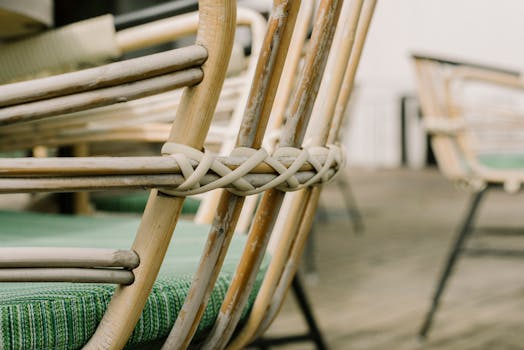
The rattan weave itself deserves attention too. Tightly woven, smooth patterns shed dirt far more easily than intricate, open weaves where debris settles into every crevice. A simple basket weave or chevron pattern looks just as elegant as elaborate designs but requires a fraction of the cleaning effort — you can simply brush it with a soft-bristled brush or wipe it with a damp cloth.
Smart Maintenance for Lasting Luxury and Appearance
Your weekly cleaning routine should take minutes, not hours. Mix warm water with a tiny drop of mild dish soap, use a soft cloth or soft-bristled brush to gently wipe the rattan, then rinse with clean water and let it air dry. Avoid pressure washers and harsh chemicals — they can damage the UV stabilisers in the rattan and strip protective coatings from the frame.
Spot cleaning common family messes is straightforward once you know the approach. For food spills, wipe immediately with a damp cloth; for mud, let it dry completely then brush it away rather than rubbing wet mud into the fabric. If a stain persists on solution-dyed acrylic, a mild stain remover like Vanish works without damaging the material — test on a hidden corner first.
Quick-drying foam inserts in your cushions prevent that damp, musty smell that develops in British gardens after rain. These drain water rapidly rather than absorbing it, so you're not dealing with waterlogged cushions that take days to dry. After heavy rain or cleaning, simply stand cushions upright in the sun for an hour or two.
Once yearly, ideally in spring, give your furniture a deeper clean. Use a soft brush to work into the weave more thoroughly, then consider applying a UV protective spray specifically designed for synthetic rattan — brands like Teak Oil alternatives or specialist outdoor furniture sprays add an extra layer of protection against fading. This takes an afternoon but extends your furniture's vibrant appearance by years.
The beauty of choosing the right materials upfront is that maintenance becomes something you barely notice — a quick weekly wipe and occasional deeper clean, rather than constant battle against stains and deterioration. That's when you know you've genuinely invested in luxury furniture that works for your life, not against it.
Your Garden, Your Investment, Your Decision
You've now got the knowledge that separates genuinely durable luxury rattan from the furniture that looks beautiful in photographs but falls apart in real life. The difference between choosing wisely and choosing poorly is the difference between a garden you love using and one you avoid because it's become an eyesore.
Let's anchor everything you've learned into three non-negotiable priorities that should guide every decision you make.
The Foundation: Durability That Actually Lasts
Aluminium frames with welded joints and UV-stabilised PE rattan aren't fancy marketing terms — they're the difference between furniture lasting 10 years and furniture lasting 2. When you're standing in a showroom or scrolling through online options, these are your baseline requirements, not optional upgrades.
A quality aluminium frame weighs around 15-20kg for a two-seater and won't rust regardless of how damp your garden gets in November. Compare that to steel frames that require ongoing maintenance or natural rattan that splits and becomes brittle within seasons, and you understand why the initial investment in proper materials pays dividends year after year.
Check the frame construction before you commit to anything — give it a gentle shake, inspect the joints, and ask the retailer directly whether it's welded or bolted. If they can't answer confidently, that's a warning sign that you're not dealing with a genuinely luxury product.
Safety and Peace of Mind for Your Family
Your children will use this furniture in ways you can't anticipate, which is exactly why stable bases, rounded edges, and secure cushions matter so much. A chair that wobbles slightly when your teenager leans back isn't just annoying — it's a genuine safety risk.
Before you buy, verify that cushions meet BS 5852 fire safety regulations and that fabrics carry OEKO-TEX certification. These aren't bureaucratic boxes to tick; they're genuine protections that mean your family isn't exposed to harmful chemicals or fire hazards whilst simply enjoying the garden.
Test the stability yourself — sit in chairs, lean back, pull on armrests, try to dislodge cushions. If anything feels loose or unsafe in the showroom, it will only get worse with use.
Maintenance That Fits Your Life
Solution-dyed acrylic fabrics with removable, machine-washable covers mean you can handle family life without dreading spills and stains. A juice box incident that would require specialist cleaning on budget furniture simply wipes away, then the cover goes in the washing machine at 30 degrees.
Your weekly maintenance should take 10 minutes maximum — a soft brush, warm soapy water, and air drying. If a furniture brand requires hours of seasonal treatment or specialist products, it's not genuinely suited to busy family life, regardless of how luxury it claims to be.
Your Action Plan
Use this guide as your physical checklist when you visit showrooms or browse online retailers. Take notes on frame materials, ask about welding versus bolting, request fabric samples to feel the quality, and verify certifications before you hand over money.
Quality luxury rattan outdoor furniture exists across various price points — you don't need to spend £5,000 to get something genuinely durable and safe, but you do need to know what you're looking for. A well-chosen two-seater sofa and dining set from a reputable UK retailer like Bramblecrest, Maze, or Barlow Tyrie typically costs £1,500-£3,000 and will serve your family beautifully for a decade.
Your garden should be a space you genuinely enjoy, where your family creates memories without you worrying about whether the furniture will hold up. With the right choices — robust frames, safe design, and easy-clean materials — that's exactly what you'll get.