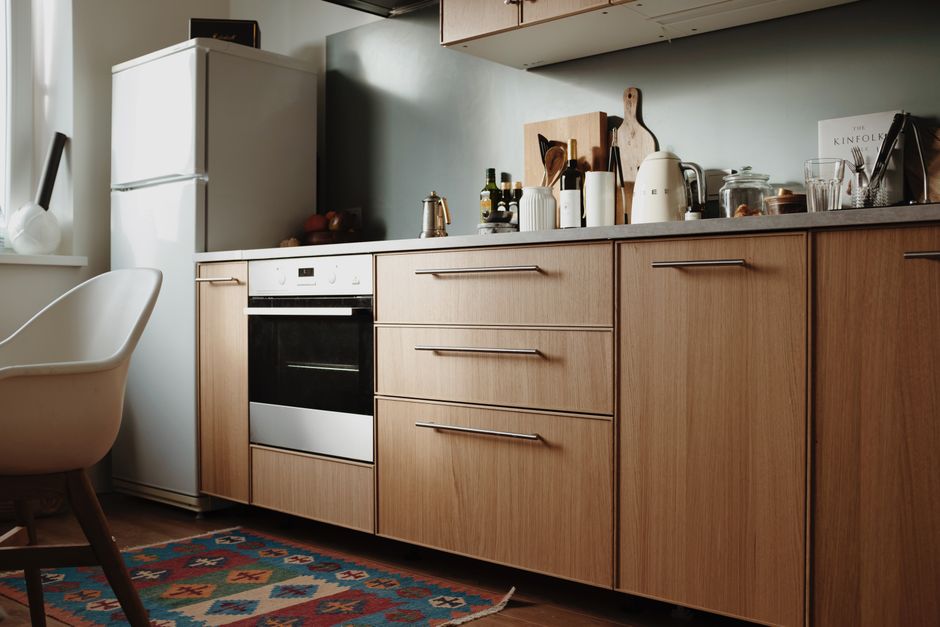
Home Appliances Buying Guide for UK Homes 2026
One counter-intuitive truth: the cheapest appliance isn't always the worst value. A £12 item you use twice a week for five years beats a £35 item you abandon after six months. Conversely, the most expensive option often includes features you'll never use. The goal is matching spend to actual need, not chasing the lowest or highest number on the shelf.
Home appliances have also become quietly smarter. Even budget models now include basic safety features, improved materials, and energy efficiency that would have cost significantly more a decade ago. This means you don't need to spend premium prices to get a reliable, safe appliance—but you do need to know what separates a genuinely durable mid-range option from one that cuts corners on build quality.
By the end, you'll know exactly what questions to ask before clicking buy, and you'll understand why two appliances at wildly different prices might actually be solving different problems. Our picks on this page show current products across all price bands, rated by real users. Use the widget to filter by warranty length and noise level, then sort by user longevity ratings to see which models stand the test of time.
The Five Decisions That Matter Most
Most buyers focus on the wrong things. They compare wattage, count buttons, or assume a higher price means better quality. In reality, five specific criteria predict whether an appliance will perform well and last.
1. Duty Cycle and Material Grade
How often will you actually use this appliance? Daily, weekly, or a few times a year? This single question should drive your budget decision more than anything else. An appliance rated for light use will fail faster if you use it daily. Conversely, a heavy-duty commercial-grade appliance is wasteful if you only need it monthly. Material grade is the hidden factor: budget appliances often use thinner metals, plastic components instead of stainless steel, or lower-grade heating elements. These aren't necessarily bad—they're appropriate for light use—but they degrade faster under daily stress. Mid-range appliances typically upgrade materials in high-wear areas such as heating elements, seals, and motor housings, while premium models use consistent high-grade materials throughout.
Counter-intuitive insight: A mid-range appliance used occasionally will often outlast a budget model used daily, even if the budget model cost half as much. The material simply can't handle the stress. Think of a shared student flat where a cheap kettle is boiled twenty times a day—it rarely sees out the academic year, while a sturdier one in a quiet household lasts for years.
2. Energy Efficiency Ratings
UK home appliances are rated on energy efficiency, usually displayed as a letter grade or kilowatt-hour consumption. This matters far more than most buyers realise. A more efficient appliance costs slightly more upfront but saves money every single time you use it. Over three to five years, that saving often exceeds the price difference. Energy ratings are also a proxy for build quality: manufacturers don't invest in efficiency features for cheap, disposable appliances. If an appliance carries a strong energy rating, it usually means the maker invested in better components and design.
3. Warranty and Support
Warranty length is a manufacturer's confidence statement. A one-year warranty is standard; two years signals above-average reliability; three years or more, especially on parts, suggests the maker expects the appliance to last. Check what's actually covered—some warranties exclude wear items or require you to pay return shipping. UK consumer law gives you rights beyond the warranty, but a robust warranty removes friction if something fails. A London renter dealing with a faulty appliance benefits enormously from a maker that collects and replaces without argument.
4. Space and Fit

This seems obvious but is constantly overlooked. Measure your space—counter depth, cupboard width, clearance for doors or lids—before you buy. An appliance that doesn't fit your kitchen isn't just inconvenient; it often gets relegated to a cupboard and unused, making it terrible value regardless of price. In a typical UK galley kitchen, worktop depth is precious, and an oversized model can block a cupboard door entirely.
Counter-intuitive insight: Compact or portable versions often cost nearly as much as full-size models but deliver less capacity. If you have space, the full-size option is usually better value, even at a higher price.
5. Noise and Vibration
Often ignored, but if an appliance is loud or vibrates excessively, you'll use it less. Check decibel ratings and user reviews mentioning noise. A quieter appliance at a slightly higher price often gets more use, making it better value. In an open-plan flat, a noisy appliance is a daily irritation you'll regret within a week.
Reading the Specs: Materials, Types, and Sizing
Home appliance specifications can look like alphabet soup. Here's how to decode them before you commit.
Materials and Build
Home Appliances


Stainless steel is durable and easy to clean but costs more and shows fingerprints. Painted or powder-coated metal is cheaper and hides marks better but can chip. Plastic housings are lightweight and affordable but degrade faster under heat or UV exposure. High-end appliances often use a mix: stainless steel where it matters—heating surfaces, water contact, high-wear areas—and plastic or painted metal elsewhere, reducing cost without sacrificing durability. Look for sealed seals and gaskets, which prevent water ingress and are common failure points. Budget appliances sometimes use basic rubber; mid-range and premium models use silicone or reinforced seals rated for thousands of cycles.
Power and Capacity
Wattage indicates power but doesn't always mean performance. A 1500W appliance isn't automatically better than a 1200W one; efficiency matters. Capacity should match your household size and usage. A single person doesn't need a three-litre capacity; a family of four might find a one-litre option frustratingly small. Match the number to the number of people actually using it.
Common Types and Styles
- Portable appliances offer flexibility and are easy to store but often sacrifice capacity or power—ideal for renters or small spaces.
- Compact or mini versions are space-savers but typically cost only slightly less than full-size models while delivering significantly less capacity, so they make sense only if space is genuinely limited.
- Replacement parts and filters are often sold separately; check whether filters are standard and cheap to replace or proprietary and expensive to source, as this affects long-term cost.
- Conditioner or treatment features, such as water filters or air purification, add cost but improve output quality—decide if this matters for your use case.
Interpreting Energy Labels
UK appliances display energy consumption per use or per year. Compare this figure across models you're considering—it's the most reliable way to predict running costs. A more efficient model used daily will save roughly £20–£50 annually depending on the appliance type, which over a few years comfortably outweighs a small upfront premium.
Budget Bands Explained: What You Actually Get

Home appliances fall into three broad price bands in the UK market. Understanding what each band delivers helps you avoid both false economy and wasteful overspending.
Budget Band: Up to About £25
You get basic functionality with no frills, lighter-duty materials appropriate for occasional or light use, a standard one-year warranty, simpler design, and adequate energy efficiency for the category. This band suits occasional use, renters, testing a category before committing, backup appliances, or specific single-task needs. Filter for energy rating, warranty coverage, material specs, and user reviews mentioning durability and noise. Expect smaller capacity, noisier operation, fewer preset options, and basic controls.
Mid-Range Band: About £25–£40
Here you get balanced performance and durability, better materials in high-wear areas, often a two-year warranty, more features and flexibility, noticeably better energy efficiency, and quieter, smoother operation. This band suits regular household use, most UK homes, and daily users who want reliability without premium pricing. Filter for warranty length, specific material upgrades such as sealed seals and stainless steel heating elements, energy rating, noise level in decibels, and user reviews on longevity. Expect five to seven years of normal use, better resale value, quieter running, and more intuitive controls.
Premium Band: Above About £40
Premium buys high-grade materials throughout, an extended warranty often of three years or more, advanced features and customisation, exceptional energy efficiency, superior build quality and finish, and often quieter, more reliable operation. It suits heavy daily use, households that value durability, specific performance needs, or when an appliance is central to your routine. Filter for warranty length and coverage, material specifications, energy rating, features you'll actually use, and brand reputation for support. Expect ten-plus years of life, excellent resale value, quieter operation, and better warranty support.
To help you identify which band matches your household, here's how the three price tiers compare across key factors:
| Factor | Budget (up to £25) | Mid-Range (£25–£40) | Premium (£40+) |
|---|---|---|---|
| Best for | Occasional use | Regular household | Heavy daily use |
| Typical lifespan | 2–3 years | 5–7 years | 10+ years |
| Material grade | Basic | Good | Excellent |
| Warranty | 1 year | 2 years | 3+ years |
| Noise level | Often higher | Moderate | Quiet |
| Energy efficiency | Adequate | Good | Excellent |
| Cost per year of use | High | Low | Very low |
Common Mistakes and Frequently Asked Questions
Mistakes to Avoid
- Buying the cheapest option without considering duty cycle. A £12 appliance used daily for a year costs more per use than a £35 appliance used daily for five years.
- Ignoring energy ratings. The upfront savings from a cheap, inefficient appliance evaporate within months of regular use.
- Not measuring your space. An appliance that doesn't fit your kitchen becomes clutter, not a tool.
- Overlooking warranty details. A two-year warranty is only valuable if it covers parts and labour, not just the first year.
- Choosing features you won't use. Premium models often bundle settings and modes you'll never activate; mid-range often offers better value for money.
- Assuming all brands are equal. Some manufacturers have stronger track records for durability and support—check user reviews and warranty policies.
- Forgetting about filter and part costs. Some appliances have expensive proprietary filters or replacement parts; factor this into long-term cost.
Once you've identified your price band and use case, the live widget below shows current top-rated options—filter by warranty length, energy rating, and user reviews on longevity to narrow your choice.
Frequently Asked Questions
Is it worth buying premium if I only use an appliance occasionally? No. Match spend to duty cycle. A budget appliance used a few times weekly is fine; save premium spend for daily-use items.
How much will an energy-efficient appliance actually save me? It depends on the category and your usage. A highly efficient model used daily might save £15–£50 annually. Over five years, that's £75–£250—often more than the price difference between budget and mid-range.
Should I buy an extended warranty? Rarely. UK consumer law covers you for six years on defects. If the manufacturer's warranty is already robust—two years or more—extended warranties are usually poor value. The exception is when the appliance is critical to your daily routine and repair costs would be high.
What's the real difference between a £20 and a £40 appliance in the same category? Materials, lifespan, noise, energy efficiency, and warranty. The £40 option will likely last two to three times longer, run quieter, use less energy, and include better support. For occasional use, the £20 is fine; for daily use, the £40 is better value.
If you're a renter in a shared flat with daily use, filter the widget below for 2+ year warranties and mid-range price band; if you're a single person testing a category, budget band with good energy ratings is your sweet spot.