When considering cost, the overall range for quality wine glasses in the UK market typically spans from about £15.97 up to £219.99. Most popular choices fall within the budget-friendly range of up to about £43.08, or the mid-range of about £43.08–£55.19. While budget options are perfectly functional, they often lack the refined thinness and resonant 'clink' of their premium counterparts. Investing a little more can significantly enhance the drinking experience and the longevity of your stemware.
Quick win: For everyday versatility and durability, choose high-quality, machine-made glass wine glasses; for special occasions and enhanced sensory experience, opt for lead-free crystal.
Understanding the Fundamentals
Understanding the core differences between crystal and glass is the first step to making an informed choice for your home. Each material brings unique properties to the table, influencing performance, aesthetics, and care.

Crystal vs. Glass: Key Distinctions
- Clarity and Brilliance: Crystal contains minerals (like barium, zinc, or potassium oxide) that increase its refractive index, making it sparkle more intensely and allowing wine's colour to shine through without distortion. Glass, while clear, typically lacks this brilliant shimmer.
- Thinness and Weight: Crystal can be spun into much thinner rims and bowls than standard glass, offering a more delicate feel and allowing the wine to flow smoothly. Despite its delicacy, crystal often feels heavier and more substantial in hand due to its density.
- Durability and Flexibility: Modern lead-free crystal is surprisingly durable and more flexible than standard glass, making it less prone to chipping or breaking from minor impacts. Glass is rigid and can be more brittle, though thicker glass is highly resistant to everyday knocks.
- Sound (The 'Clink'): Crystal produces a distinctive, resonant bell-like tone when tapped, a characteristic often associated with quality and celebration. Glass yields a duller, shorter sound.
- Porosity: Crystal is slightly more porous than glass, which can subtly enhance aeration, though this difference is often debated among experts.
What You Get at Each Price Point
- Budget (up to about £43.08): At this level, you'll primarily find machine-made glass options. These are excellent for everyday use, highly durable, and often dishwasher safe. Expect thicker rims and a sturdier feel. They are practical and functional, perfect for busy households or outdoor entertaining where breakage is a concern.
- Mid-Range (about £43.08–£55.19): This band introduces higher-quality glass and entry-level lead-free crystal. You'll notice finer rims, better clarity, and more sophisticated designs. These glasses often strike a balance between durability and elegance, suitable for both daily use and casual entertaining. Some might be machine-made crystal, offering good value without the premium price tag.
- Premium (above about £55.19): Here, you'll find exquisite hand-blown lead-free crystal. These glasses boast exceptional clarity, ultra-thin rims, and often specific designs tailored to enhance particular wine styles. They offer the ultimate sensory experience, though they typically require more delicate handling and often hand-washing. This is where the artistry of glassmaking truly shines.
Choosing Your Bowl Shape
- Red Wine Glasses: Larger bowls with wider openings allow red wines to breathe, enhancing their complex aromas and flavours. Consider a generous size for robust reds like Bordeaux or Burgundy.
- White Wine Glasses: Smaller bowls with narrower openings help preserve the cooler temperature and delicate aromatics of white wines, keeping them fresh and crisp.
- Sparkling Wine Glasses (Flutes/Tulips): Tall, slender flutes maintain effervescence and create an elegant visual presentation, while tulip shapes offer a slightly wider bowl to appreciate the aroma of finer sparkling wines.
- Universal Glasses: A versatile option, these are designed to perform well with a wide range of wines, ideal if space is limited or you prefer a minimalist approach. Many households find these offer exceptional value and practicality.
A typical Manchester home might start with a set of six universal glasses in durable glass, then add four red wine glasses and four white wine glasses as entertaining habits develop. This phased approach allows you to invest gradually without overwhelming your storage or budget.
Integrating Wine Glasses Into Your Home
Wine Glass Collection


Integrating crystal or glass wine glasses into your home goes beyond simply buying them; it's about making choices that enhance your lifestyle, complement your decor, and stand the test of time. Here's how to do it well.

Curating Your Collection for Home Use
- Assess Your Lifestyle: If you entertain frequently and prefer formal settings, a set of elegant crystal glasses for different wine types might be ideal. For casual gatherings, outdoor use, or homes with children, durable glass options are more practical and less stressful to manage. Consider stemless glasses for added stability and a modern aesthetic if you have younger family members.
- Match Your Decor: Wine glasses are also decorative elements. Sleek, minimalist designs suit contemporary homes, while etched or cut crystal complements traditional interiors beautifully. Don't shy away from coloured options, such as subtle pink tints, to add a unique touch to your table setting and make your collection feel personal.
- Consider Gifting: A beautiful set of crystal wine glasses makes a thoughtful gift for weddings, anniversaries, or housewarmings. Opt for a universal shape if you're unsure of the recipient's wine preferences, ensuring they can use them across different occasions.
- Build a Core Set: Start with 6–8 versatile glasses (e.g., universal wine glasses or a mix of red and white). If you're prioritising durability and dishwasher-safe convenience for daily use, high-quality machine-made glass options are ideal. You can expand later with specialty glasses for sparkling wine or dessert wines as needed.
Smart Storage Solutions
Proper storage is crucial for preventing breakage and keeping your glasses pristine. Consider these options based on your space and collection size:
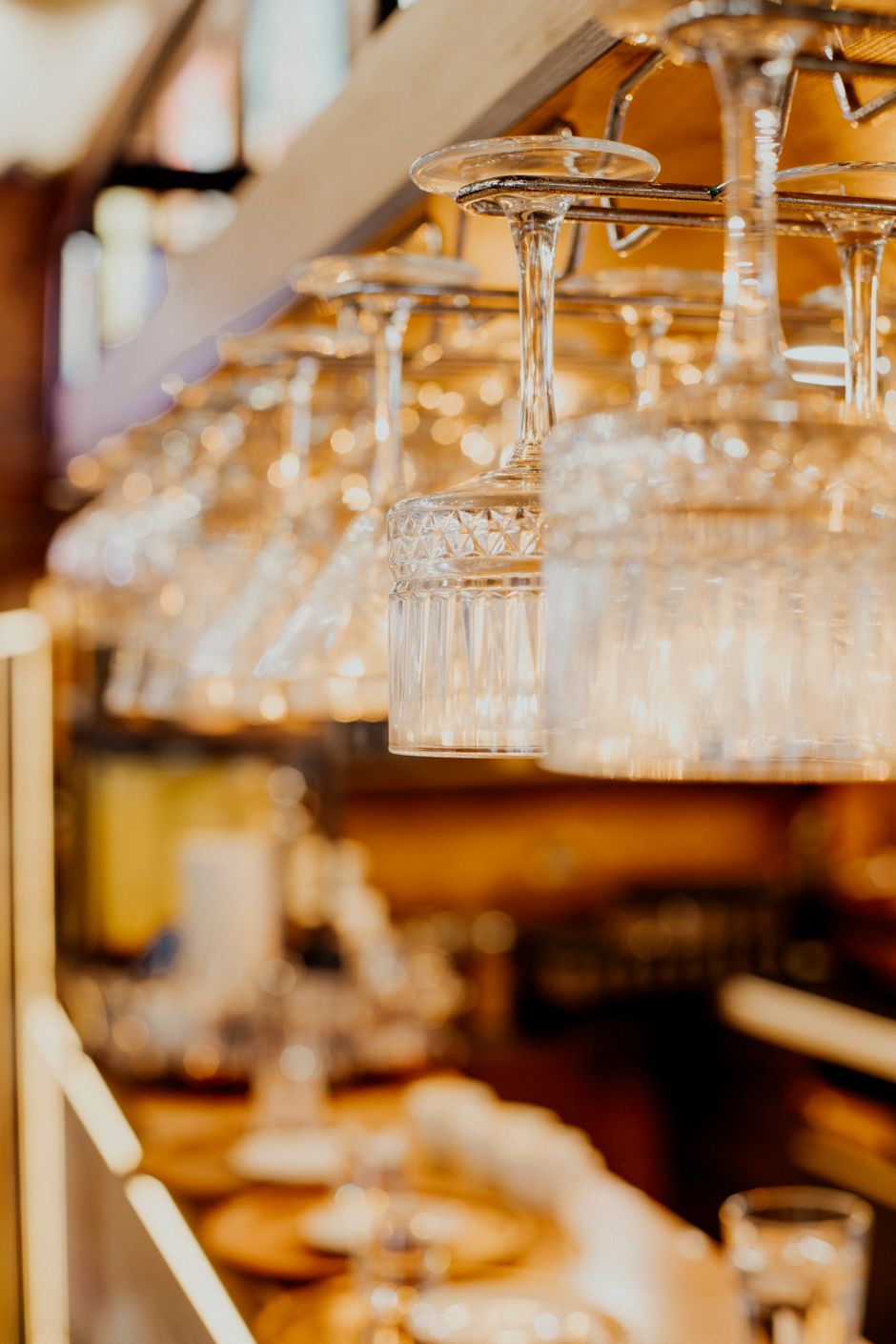
- Cabinet Racks: Inverted hanging racks in kitchen cabinets or under shelves save space and protect delicate rims from dust and chips. Ensure enough clearance for the stems and avoid overcrowding, which can cause glasses to knock together.
- Dedicated Storage Boxes: For glasses used less frequently, padded storage boxes (often made from materials like fabric or cardboard with dividers) offer excellent protection against dust and impact. These are perfect for seasonal items, overflow, or premium crystal you save for special occasions.
- Display Cabinets: If you have a premium collection, a glass-fronted display cabinet allows you to showcase your stemware while keeping it safe from dust and accidental knocks. This adds an elegant touch to dining rooms or living areas and makes your collection a design feature.
- Open Shelving (with caution): While aesthetically pleasing, open shelves expose glasses to dust and potential accidents. If using, ensure they are sturdy and placed away from high-traffic areas. Metal shelving can offer a robust, industrial look that suits modern kitchens.
Essential Care and Maintenance
- Hand Washing (Crystal): Always hand wash crystal glasses with warm, soapy water and a soft sponge. Use a separate, lint-free cloth for drying and polishing to avoid water spots and streaks. Hold the bowl, not the stem, when polishing to prevent twisting and stress on the join.
- Dishwasher Safety (Glass): Many glass wine glasses are dishwasher safe. Place them securely in the top rack, ensuring they don't touch other items or the spray arms. Use a gentle cycle and a rinse aid for best results. Avoid high heat settings, which can cause etching over time and weaken the glass.
- Stain Removal: For stubborn wine stains, a mixture of warm water and a small amount of white vinegar or baking soda can be effective. For very narrow flutes, a rice and water solution swirled inside can help dislodge residue without scratching the interior surface.
- Preventing Water Spots: Dry glasses immediately after washing with a microfibre cloth to prevent mineral deposits from tap water. If spots do appear, a light polish with white vinegar on a cloth will restore clarity.
A London home with hard water, for instance, benefits greatly from immediate drying and occasional vinegar polishing to maintain that crystal sparkle. Regular maintenance takes just minutes but extends the life and beauty of your collection significantly.
Common Mistakes and How to Avoid Them
Even with the best intentions, it's easy to make missteps when choosing and caring for wine glasses. Avoiding these common pitfalls will ensure your investment lasts and enhances your wine experience.
- Mistake 1: Prioritising Looks Over Function. While aesthetics are important, a glass that's beautiful but uncomfortable to hold, too fragile for your lifestyle, or poorly shaped for the wines you drink most often will disappoint. Always consider the practical aspects: stem length, bowl size, and rim thickness, especially if you're regularly enjoying a specific type of wine. Test glasses in person if possible before committing to a full set.
- Mistake 2: Ignoring Your Budget Bands. Don't feel pressured to buy premium crystal if a mid-range glass set better suits your needs and wallet. Conversely, don't settle for the cheapest option if you truly value the sensory experience of finer stemware. Remember the price bands: budget up to about £43.08, mid-range about £43.08–£55.19, and premium above about £55.19. Understand what each level offers in terms of material quality, design, and durability.
- Mistake 3: Improper Cleaning Leading to Damage. The most common cause of damage to delicate crystal is incorrect washing. Never twist the stem and bowl in opposite directions, as this can snap the join. For crystal, always hand wash gently. For dishwasher-safe glass, ensure glasses are spaced out to prevent chipping and use a low-heat setting. Avoid harsh abrasives that can scratch surfaces.
- Mistake 4: Inadequate Storage Causing Breakage. Storing glasses too tightly, in unstable positions, or without protection is a recipe for disaster. Invest in proper storage solutions like hanging racks, padded boxes, or display cabinets. Ensure glasses are completely dry before storing to prevent water spots and mould, especially in enclosed spaces like cupboards.
- Mistake 5: Buying Too Many Specialised Glasses Too Soon. It's tempting to acquire a glass for every varietal, but this can lead to clutter and unused items gathering dust. Start with a versatile set of universal wine glasses. Once you understand your drinking habits and entertaining needs, you can gradually add specific red, white, or sparkling wine glasses. This phased approach is more practical and cost-effective.
- Mistake 6: Overlooking the Importance of the Rim. A thick, rolled rim can detract from the wine-drinking experience by creating a barrier between the wine and your palate. Opt for glasses with a thin, smoothly cut rim, whether crystal or high-quality glass, for a more seamless and enjoyable sip. This detail often distinguishes budget from mid-range and premium options.
Frequently Asked Questions
- Is modern lead-free crystal safe to drink from? Yes, absolutely. Modern crystal is typically made with lead-free alternatives like barium, zinc, or potassium oxide. These materials provide the desired brilliance and strength without any health concerns associated with traditional leaded crystal. You can enjoy your wine with complete peace of mind.
- Can I mix crystal and glass wine glasses in my collection? Yes, mixing is a smart and practical approach. Many homeowners choose to have a set of durable glass for daily use and more delicate crystal for special occasions or when hosting. This allows you to enjoy the best of both worlds without excessive worry about breakage for everyday items. Ensure they complement each other stylistically if displayed together.
- How many wine glasses should a typical UK home have? For most homes, a core set of 6–8 universal wine glasses is a good starting point. This provides enough for family use and small gatherings. If you entertain larger groups, consider having 10–12. Adding 4–6 sparkling wine flutes is also popular for celebrations. Prioritise quality over quantity, especially for crystal.
- What's the best way to remove lipstick marks from glasses? For stubborn lipstick or other greasy marks, a dab of white vinegar or a paste of baking soda and water applied gently with a soft cloth before washing can work wonders. For dishwasher-safe glass, a pre-rinse with warm water can also help. Always ensure a thorough rinse to remove any residue.