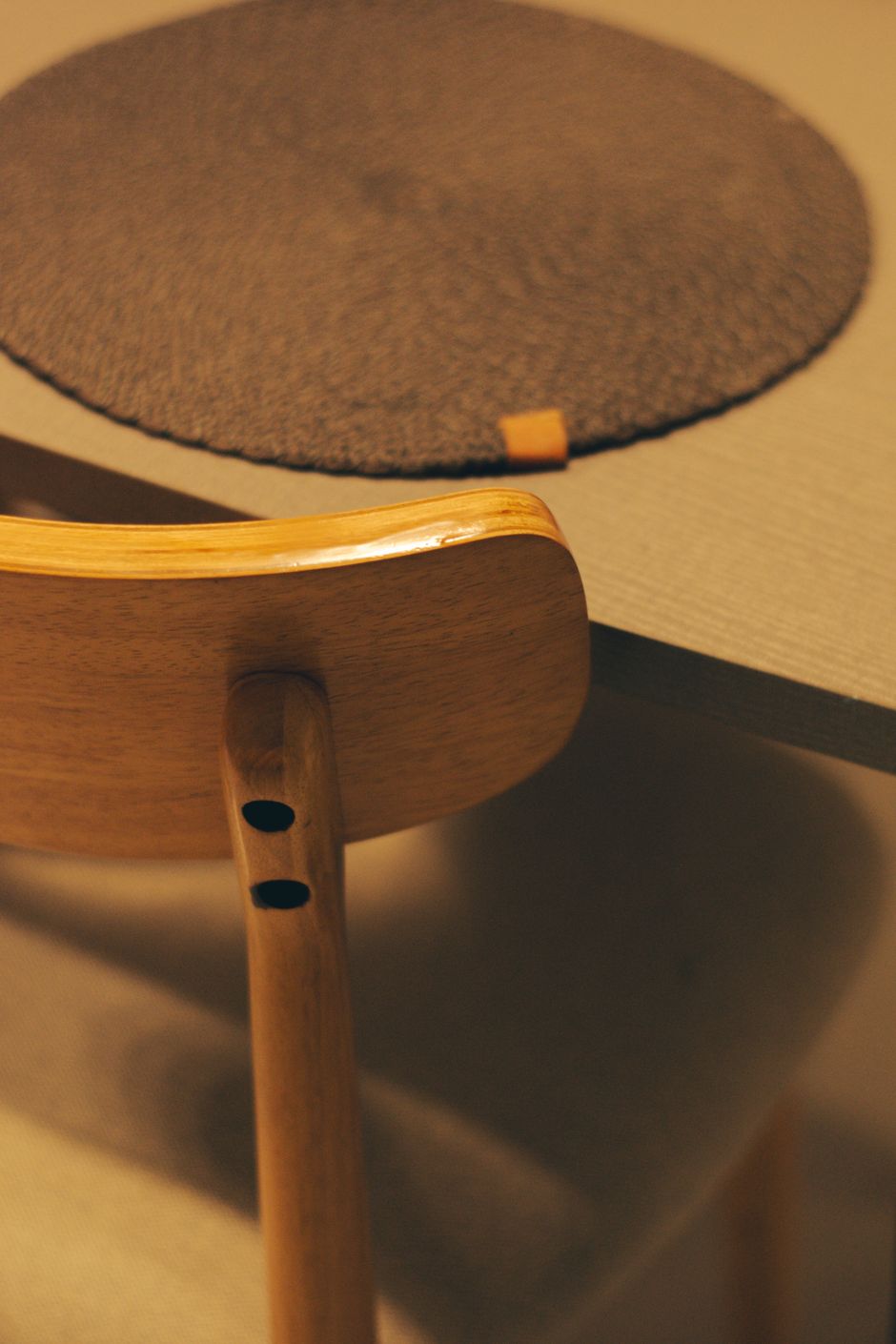
Best Modern Furniture and Lighting 2026
Quick answer: Decide the job first (task light, ambient light, or a furniture piece that defines a zone), match the material to your room's existing metals and textures, then buy at the highest tier you can justify — mid-range, about £40–£50, is where finish quality stops being a compromise.
Why the tier matters more than the trend: modern design is reduction. A pendant with a linen shade and a metal base does the job at the bottom of the range. The same silhouette in brass with a ceramic base and properly finished edges becomes part of the room's architecture. Neither is wrong; context decides.
What separates a good buy from a cheap one
- Material honesty: brass, ceramic, glass, chrome, linen and powder-coated metal all age in their own way — pick the ageing you can live with.
- Proportion: a lamp at 60–70% of the height of the furniture beside it reads as deliberate; anything shorter looks lost.
- Finish: matte versus gloss, brushed versus polished — this is where budget pieces betray themselves under evening light.
- Weight: substantial bases do not skate across a side table when you nudge them, and they do not wobble on uneven floors.
- Fitting standard: E27 and E14 fittings keep bulb choice open; anything proprietary narrows your options for years.
One concrete example: in a Victorian terrace with 2.4 m ceilings, a tall floor lamp crowds the room, while a low ceramic table lamp on a console opens it up. The budget is identical; the proportion decision is what makes the room work.
How to Choose: What Actually Matters
Form follows function, which in practice means answering three questions before you look at a single image. Get these right and the shortlist writes itself.
1. What is the primary job?

Task lighting needs direction and brightness; ambient lighting needs softness and layering. A pendant over a dining table is doing a different job from a floor lamp in a reading corner, and buying one to do the other's work is the most common mistake in modern interiors.
- Task: directed beam, warm white around 2700K for living spaces, cooler 4000K for desks and kitchens.
- Ambient: diffused shades, multiple sources, dimmable if the fitting allows.
- Furniture: measure the footprint and the walkway before anything else — a side table that blocks a doorway is a costly error.
2. Which material fits your home's rhythm?
- Brass: warm and patinates beautifully; thin budget brass looks flat, substantial brass glows.
- Chrome: cool and reflective but shows every fingerprint — best where you already wipe surfaces daily.
- Ceramic: sculptural and forgiving; a smooth glaze signals care, a rough one signals cost-cutting.
- Glass: transparent and modern, best paired with a warm metal or wood to stop it feeling clinical.
- Linen: diffuses light softly and ages well; cheap linen creases and sags within a season.
- Metal: powder-coated steel and iron hide dust and suit industrial-leaning rooms.
In a Manchester new-build with grey walls and oak flooring, brass and linen warm the palette instantly; chrome and glass would make the same room feel colder than it already is.
3. Do the proportions suit the room?
- Lamp height: aim for 60–70% of the adjacent furniture — beside a 1 m sofa, a 0.6–0.7 m lamp sits correctly.
- Pendant drop: hang 0.6–0.75 m above a dining table surface; cluster three small pendants over a narrow table rather than forcing one wide shade.
- Clearance: leave at least 0.3 m of floor around furniture so the room breathes.
- Ceiling: in rooms below 2.5 m, favour low table lamps and wall lights over tall floor lamps.
Finish deserves its own line because it changes perception more than shape. Matte black reads softer and more contemporary than gloss; brushed brass feels current where polished brass feels formal. Check buyer photos in the widget rather than studio shots — real rooms under real bulbs tell you what the finish actually does.
Lighting


Finally, restraint. One statement piece per room, everything else quiet. Budget and mid-range pieces work precisely because they are not shouting.
What You Get for Your Money
Price in this category reflects three things: material substance, manufacturing tolerance, and design refinement. Here is what each band actually delivers.

Budget: up to about £40
- Included: clean silhouettes, standard fittings, neutral colours that slot into most schemes.
- Missing: heft, refined edges, controlled patina — expect three to five years of daily use before wear shows.
- Best for: renters, first flats, testing a style before committing, genuinely minimal rooms.
Mid-range: about £40–£50
- Included: thicker brass, quality ceramic, proper linen shades, tight joints and finished edges.
- Missing: designer provenance, exotic materials, bespoke options.
- Best for: most homes and most budgets — seven to ten years of daily use, and character without fuss.
Premium: above about £50
- Included: solid brass, hand-finished ceramic, heritage linen, proportions refined over years.
- Missing: very little — these are complete pieces.
- Best for: focal points, long-term homes, anyone who values craftsmanship alongside function.
| Aspect | Budget (up to £40) | Mid-range (£40–£50) | Premium (above £50) |
|---|---|---|---|
| Material | Thin brass or standard chrome | Substantial brass, quality ceramic | Solid brass, artisan ceramic |
| Shade and base | Basic linen or synthetic | Premium linen, refined finish | Heritage linen, hand-finished |
| Feel | Functional and clean | Intentional and refined | Sculptural and heirloom |
| Lifespan | 3–5 years | 7–10 years | 15+ years |
| Best for | Trying styles, rentals | Most homes | Investment and focal points |
A concrete comparison: a bedside light in a Leeds rental can be budget and look entirely deliberate; the same lamp as the only light source in a large, otherwise premium living room will read as an afterthought. The tier is not the problem — the placement is.
Finding Your Match in the Live Widget
Eight tracked options span all three bands, and the widget shows current stock, exact prices and customer photos from real UK homes. Filter in this order and you will not waste time.
- Job: pendant, floor lamp, table lamp, wall light, or furniture piece.
- Material: brass, ceramic, chrome, glass, linen, or metal.
- Colour: neutral (white, black, grey, natural) or accent.
- Budget: up to £40, £40–£50, or above £50.
- Scale: compact for flats and corners, standard for living rooms, statement for focal points.
Reading the reviews properly
- Green flags: “feels substantial”, “solid construction”, “still looks new after two years”.
- Red flags: “lighter than expected”, “wobbly base”, “shade arrived creased”.
- Photos over specs: buyer images show scale and finish under domestic lighting far better than studio shots.
- Assembly notes: lamps usually arrive ready to use; some furniture needs basic setup — check before ordering.
Then measure. Tape the footprint onto the floor, hold a broom handle at the intended lamp height, and stand back. Two minutes of this prevents most returns. If your first choice sells out, the next option in the same band is usually equally strong — modern design is deliberately interchangeable.
Styling, Placement and Common Questions
Three principles that do the heavy lifting
- Layer your light: one ceiling fitting flattens a room — combine overhead, floor and table sources for depth.
- Repeat materials: if you choose brass, echo it in handles or frames; harmony beats contrast in modern schemes.
- Protect negative space: one lamp in an empty corner is more powerful than three clustered together.
Placement, room by room
- Floor lamps: dark corners and beside reading chairs, never blocking a sightline to a window.
- Pendants: 0.6–0.75 m above a dining table; cluster three small shades over a long table.
- Table lamps: at seated eye level on consoles and side tables.
- Furniture: use side tables and storage to define zones while keeping walkways clear.
In a Bristol flat with a single north-facing window, layering a warm table lamp with a floor lamp transforms the room after 4pm without touching the ceiling wiring.
Questions we hear most
- Can I mix brass and chrome? Yes, with intent — make one dominant and the other an accent.
- Which bulb? LED, warm white around 2700K for living spaces, cooler for task areas; check the fitting (E27, E14, GU10).
- How do I clean brass and ceramic? Soft cloth, warm water, mild soap; skip abrasives and let patina develop.
- Will a budget piece look cheap next to premium furniture? Only if it is the focal point — as a task or bedside light it reads as deliberate.
Choose the job, match the material, buy the best tier you can justify, and place it with proportion in mind. The widget holds eight proven options; any of them will serve you well for years.