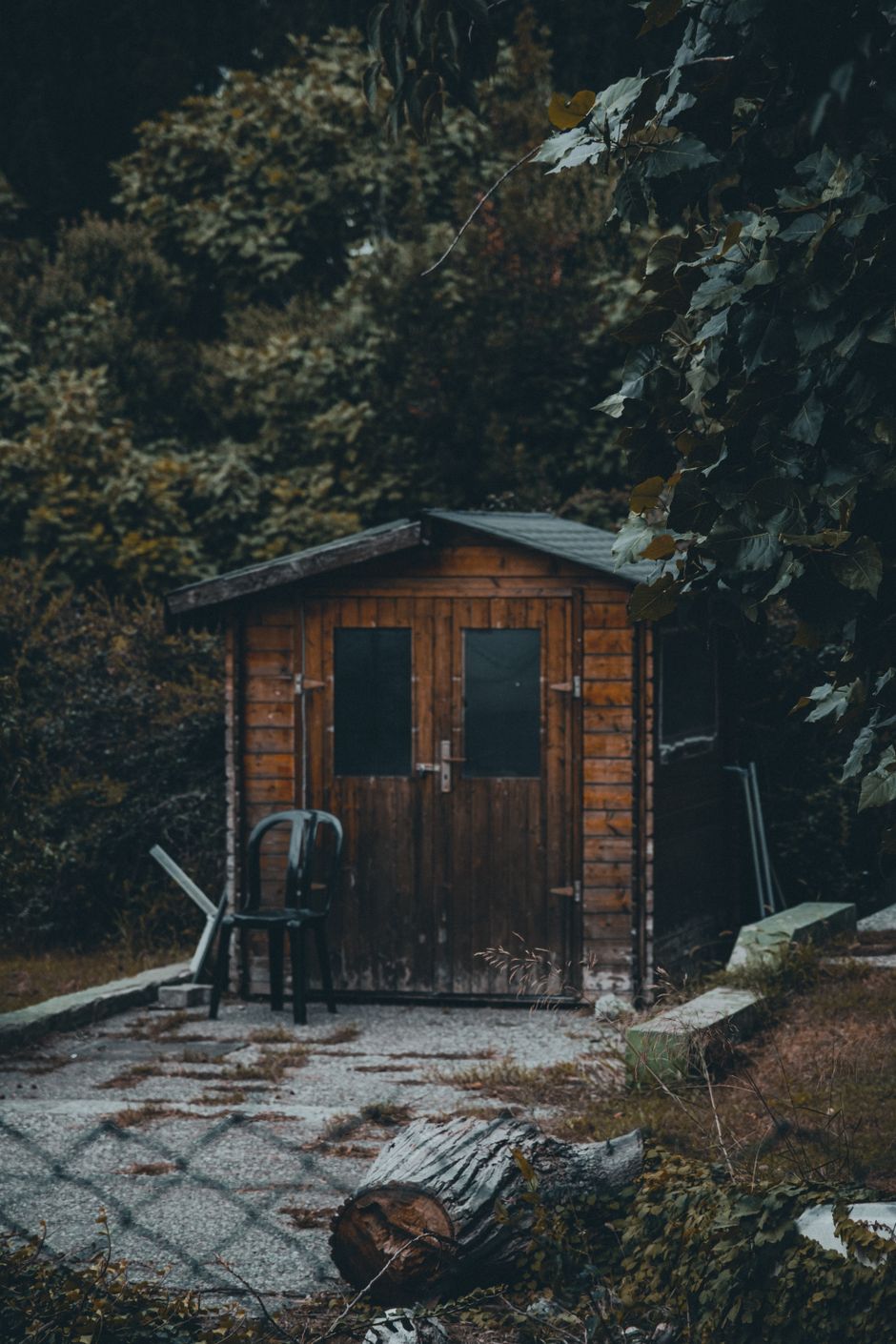
Metal sheds, often crafted from galvanised steel, are celebrated for their low maintenance and robust security, making them a practical choice for secure storage. Wood sheds, on the other hand, offer a classic aesthetic, greater customisation potential, and can often blend more seamlessly into a traditional garden setting, though they require regular treatment to withstand the unpredictable UK weather. This guide will help you navigate these choices, ensuring your investment stands the test of time and serves its purpose perfectly.
Quick win: Before anything else, define your shed's primary purpose – simple tool storage, secure bike shelter, or a small workshop – as this immediately narrows your material and size options.
Metal Sheds: The Low-Maintenance Fortress
Metal sheds, predominantly constructed from galvanised steel, have become increasingly popular among UK homeowners seeking a no-fuss storage solution. Galvanisation creates a protective zinc coating that resists rust and corrosion, a critical advantage in Britain's damp climate. A metal shed in a suburban Manchester garden will endure the same wet winters as one in Devon without the wood-rot worries that plague timber alternatives. The durability of this material means you're investing in something that can last 15 to 20 years with minimal intervention.
The security benefits of metal sheds cannot be overstated. Steel construction provides genuine protection against theft and vandalism, making them the go-to choice for homeowners storing expensive garden equipment, power tools, or bicycles. Many metal sheds feature reinforced locking mechanisms and solid steel panels that resist cutting or prying. If your primary concern is keeping valuables safe from opportunistic thieves, a metal shed offers peace of mind that wood simply cannot match.
Budget-conscious buyers will appreciate that metal sheds often deliver excellent value within the lower price tiers. You can find serviceable metal storage starting around the budget range (up to £109.99), though these may feature thinner gauge steel, basic ventilation, or limited floor space. Mid-range metal sheds (£109.99–£164.06) typically offer improved construction quality, better weather sealing, and more thoughtful internal layouts. Premium metal options (above £164.06) provide heavy-duty steel, superior locking systems, and sometimes additional features like shelving or partition options.

Advantages of Metal Sheds
- Weather resistance: Galvanised steel withstands rain, frost, and UV exposure without rotting, warping, or requiring regular treatment applications.
- Security: Solid steel construction and reinforced locks make metal sheds significantly harder to break into than wooden alternatives.
- Minimal maintenance: Unlike wood, metal requires no painting, staining, or seasonal treatment – occasional cleaning is sufficient.
- Pest resistance: Steel panels prevent rodents and insects from burrowing or nesting inside, protecting your stored items.
- Longevity: A well-chosen metal shed will outlast most wooden equivalents, often providing 15–20 years of reliable service.
- Quick assembly: Many metal sheds use bolt-together panel systems, reducing installation time compared to timber construction.
Considerations for Metal Sheds
- Condensation: Metal conducts temperature changes rapidly, which can lead to internal condensation in damp climates – ensure adequate ventilation or use moisture management solutions.
- Noise: Heavy rain or hail on a metal roof can be surprisingly loud; this matters if your shed is near a bedroom or seating area.
- Aesthetic fit: Industrial galvanised finishes don't suit every garden style; they work best in contemporary or utilitarian settings rather than traditional cottage gardens.
- Thermal properties: Metal sheds offer no insulation, so stored items may experience temperature fluctuations – problematic for certain tools or materials.
- Paint or coating options: While galvanised finish requires no treatment, repainting or coating options are limited compared to wood.
A metal shed works brilliantly if you're storing garden machinery, bicycles, or tools in a suburban or semi-rural setting where security is a priority. A homeowner in a London terrace who needs to lock away an expensive mountain bike collection will find a mid-range metal shed offers far better protection than wood at a comparable price point. The trade-off is aesthetic – if your garden is period property with traditional planting, the industrial look may jar against the overall design.
Wood Sheds: Classic Appeal and Customisation
Wooden sheds represent the traditional choice, beloved for their visual warmth and ability to blend into established gardens. A timber shed in the Cotswolds or Surrey countryside feels like part of the landscape in a way metal never quite achieves. Wood offers superior insulation properties, keeping stored items warmer in winter and cooler in summer – valuable if you're storing temperature-sensitive materials or planning to use the space as a potting shed or hobby area. The natural aesthetic also means wood sheds often increase perceived garden value, particularly in period properties or conservation areas where planning officers favour traditional materials.
Customisation is another significant draw. Wooden sheds can be painted in virtually any colour to match your home's exterior or garden scheme, allowing you to integrate storage into your overall design narrative. You can add window panes for natural light, install shelving systems tailored to your needs, or even partition the interior into separate zones. This flexibility makes wood ideal if you're creating a multi-purpose space – part storage, part workspace, part garden room.
Metal Storage Sheds


The cost profile of wooden sheds varies considerably depending on timber quality and construction method. Budget wooden sheds (up to £109.99) typically use softwood with basic joinery and minimal treatment, offering adequate shelter for a season or two but requiring prompt maintenance. Mid-range options (£109.99–£164.06) use better-quality timber, improved weatherproofing treatments, and more robust framing – these represent the sweet spot for most homeowners seeking a reliable 7–10 year lifespan. Premium hardwood sheds (above £164.06) employ superior timber species, advanced joinery, and professional-grade finishes, potentially lasting 15+ years with proper care.
Advantages of Wood Sheds
- Aesthetic integration: Natural timber blends seamlessly into gardens, particularly period properties, cottage settings, and traditional landscapes.
- Insulation: Wood provides natural thermal regulation, keeping stored items at more stable temperatures than metal alternatives.
- Customisation: Paint any colour, add windows, partition interiors, or modify dimensions to suit your exact requirements.
- Perceived value: Quality wooden sheds often enhance garden aesthetics and can positively influence property perception.
- Comfort for hobby use: If you're using the space for potting, crafting, or light work, timber's insulation and light-friendly properties make it more pleasant.
- Repairability: Individual timber panels or sections can be replaced or repaired without replacing the entire structure.
Considerations for Wood Sheds
- Regular maintenance: Wood requires annual treatment with preservative, paint, or stain to prevent rot – this is non-negotiable in the UK climate.
- Weather vulnerability: Untreated or poorly maintained timber rots quickly; joints and base areas are particularly susceptible to moisture damage.
- Security limitations: Wooden panels can be cut or pried open more easily than steel; locks are only as strong as the timber they're attached to.
- Pest risk: Wood attracts insects and can harbour rodents; regular inspection and treatment are necessary.
- Shorter lifespan: Budget and mid-range wooden sheds typically last 7–10 years; premium hardwood extends this but requires investment.
- Cost of ownership: Annual treatment materials and labour add significantly to total cost over the shed's lifetime.
A wooden shed excels in a traditional garden setting where aesthetics matter as much as function. A homeowner in a Cornish village with a period cottage and established planting beds will find a mid-range timber shed enhances the overall composition far better than galvanised metal. The same person, however, must commit to annual maintenance – typically applying preservative or paint each autumn – to keep rot at bay. If you're the type who forgets garden tasks or lives in an exceptionally damp microclimate (coastal areas, heavily shaded gardens), the maintenance burden may prove frustrating.

Comparing Metal and Wood: A Practical Framework
The choice between metal and wood ultimately hinges on five key factors: your garden's visual style, your tolerance for maintenance, security requirements, intended use, and budget horizon. Rather than declaring one universally superior, consider how each material aligns with your specific circumstances.
| Factor | Metal (Galvanised Steel) | Wood (Timber) |
|---|---|---|
| Maintenance | Minimal; occasional cleaning only | Annual treatment essential; paint/stain every 2–3 years |
| Security | Excellent; steel resists cutting and forced entry | Moderate; locks only as strong as timber frame |
| Aesthetic Fit | Contemporary, modern, industrial gardens | Traditional, period, cottage, established gardens |
| Lifespan | 15–20 years with minimal care | 7–10 years (budget/mid-range); 15+ years (premium hardwood) |
| Customisation | Limited; colour options and internal layout fairly fixed | Excellent; paint any colour, add windows, modify interior |
| Insulation | None; temperature fluctuates with weather | Natural; maintains more stable internal temperature |
| Typical Cost Range | £42–£599 (good value across all tiers) | £42–£599 (premium hardwood at higher end) |
For most UK homeowners, the decision comes down to this: if security and minimal maintenance are priorities, metal wins. If visual harmony with your garden and the flexibility to create a multi-purpose space matter more, wood is the better choice – provided you're willing to maintain it annually. Budget constraints may also dictate your choice; a mid-range metal shed (£109.99–£164.06) often delivers better durability per pound than an equivalent wooden shed, since you're not factoring in years of treatment costs.
Making Your Final Choice
Before committing to either material, ask yourself these practical questions:
- What am I primarily storing? Expensive tools, bikes, or hazardous materials? Metal offers superior security. Garden furniture, potting supplies, or hobby equipment? Wood's insulation and flexibility may suit you better.
- How visible is the shed from the house or street? If it's a focal point, aesthetic fit matters; if it's tucked behind a garage or screening, material choice is more pragmatic.
- Am I willing to maintain it annually? Honest answer: if you're unlikely to treat timber each year, buy metal and avoid future regret.
- What's my budget horizon? Are you planning to stay in the property for 5 years or 20? Long-term ownership justifies premium options in either material.
- Does my garden have a defined style? Period properties and traditional gardens almost always benefit from timber; new-build gardens or contemporary homes suit metal.
Your shed investment should reflect both practical needs and the garden you're trying to create. A metal shed offers unbeatable durability and security with virtually no fuss – ideal if you're time-poor or live in a high-risk area. A wooden shed delivers warmth, customisation, and visual integration – perfect if you're willing to invest a few hours annually and want your storage to enhance rather than contrast with your garden's character. Our picks on this page showcase the best options across both materials and all budget tiers, making it easy to find a shed that aligns with your priorities and pocket.
Whichever you choose, measure your space carefully, check local planning requirements (some conservation areas restrict shed materials or size), and ensure proper drainage around the base to prevent moisture problems. A well-chosen shed, properly installed and maintained, becomes an invisible workhorse – quietly keeping your garden organised and your valuable items safe for years to come.