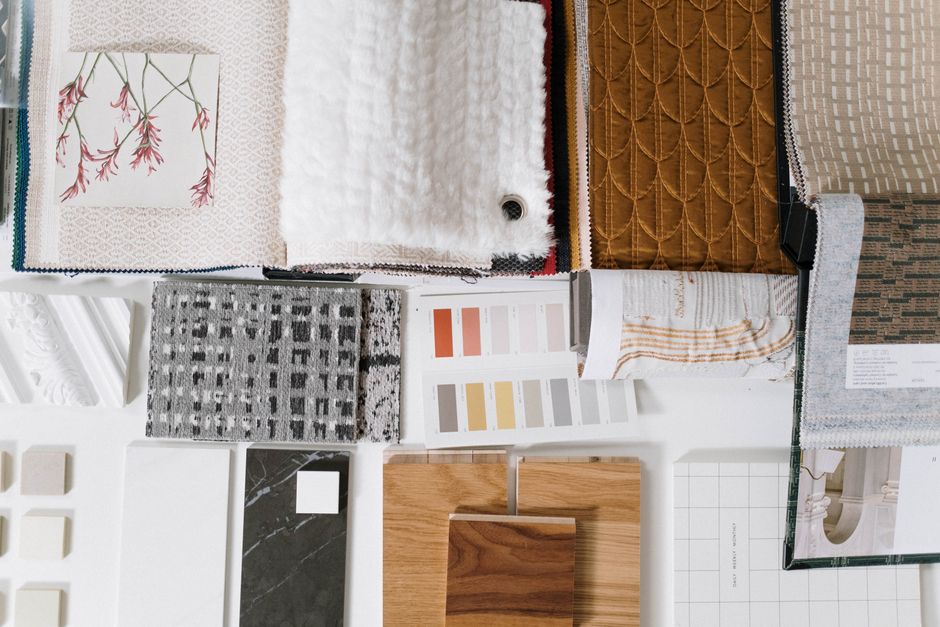
The difference between a standard and a premium textile is obvious within seconds of touching it. A dense cotton towel has weight in the hand and a tight, even pile. A good linen throw drapes rather than sits. These aren't aesthetic niceties; they're the physical signs of longer staple fibres, higher gram-per-square-metre construction and dyes that have been properly fixed. That's why a well-made towel survives fifty washes and gets softer, while a cheap one pills by wash ten and goes stiff.
The UK market has widened considerably. You'll find bamboo, cotton, linen blends and wool across the category, each behaving differently. Bamboo drapes beautifully and feels cool but dislikes high heat. Linen creases, then softens into something no synthetic can imitate. Cotton is the forgiving all-rounder that suits almost every room. Knowing which fibre suits which job before you shop is the single biggest money-saver in this category — far more useful than chasing a brand name.
There's a practical point too. Textiles are one of the few home purchases where the cheap option costs more over time. Replace a £15 towel every two years and you've spent more than the £30 towel that lasts seven. The mid-range is where value compounds: better fibre, tighter construction, honest colour fastness, and a price that hasn't been inflated by a logo.
Our live widget on this page tracks eight options rated five stars, with prices updated continuously so you see today's real cost rather than a stale figure. Before you scroll to it, spend five minutes on the criteria below. They're what separate a textile that earns its place from one you regret by the second wash.
How to Choose Premium Textiles: What Actually Matters
Five criteria do almost all the work. Get these right and you'll rarely buy badly, whatever the label claims.
Fibre composition
The material determines how a textile feels, ages and washes. Read the percentage breakdown, not the marketing copy.
- Natural fibres: cotton, linen, bamboo and wool breathe, resist odour and improve with age rather than degrading.
- Ply and staple length: two- and three-ply yarns are thicker and pill far less than single-ply; long-staple cotton is smoother and stronger than short.
- Blend ratios: below roughly 80% natural fibre, the synthetic content starts to show in how the piece feels and wears.
- Origin labelling: European and UK mills generally indicate tighter quality control and traceable fibre.
Bamboo is the rising star for softness and sustainability, cotton remains the versatile standard, and linen is the premium choice for texture and longevity. A concrete example: a linen-blend cushion cover in a south-facing Manchester living room will fade far less than a surface-dyed synthetic one after a summer of strong light.
Weight and density
Premium textiles feel substantial, and weight is the fastest way to judge that in a shop or online.
- GSM for towels: 400+ grams per square metre is genuinely premium; 300–400 is mid-range; below 300 is budget.
- Thread count for wovens: 400+ is premium, 200–300 is budget, and anything marketed above 600 deserves scepticism.
- Hand feel: premium pieces have a slight heft and don't feel papery or thin when you bunch them up.
Density correlates directly with lifespan. A light towel thins and pills within twenty washes; a dense one improves. Hold a bath towel up to the light — if you can see the weave clearly through it, it won't last.
Weave and construction
How a textile is built matters as much as what it's built from.

- Pile structure: on towels, look for tightly secured loops or cut pile anchored firmly to the base cloth.
- Selvage edges: finished edges prevent fraying; raw edges are a budget tell.
- Seam quality: flat-lock or French seams on throws and covers hold shape through repeated washing.
- Finish treatment: mercerised cotton has a lustre and strength that untreated cotton lacks.
Colour fastness and care
Premium textiles hold their colour and shape through years of washing — that's the whole promise.
- Dye method: fibre-reactive dyes bond into the fibre rather than sitting on the surface, so they resist fading.
- Shrinkage rating: quality pieces are pre-shrunk or rated under 3%; budget items often shrink 5–8%.
- Care instructions: if it demands hand-washing or dry-cleaning only, it isn't premium for everyday family use.
- Fade resistance: scan reviews for colour stability after twenty-plus washes.
Softness and feel
Softness is subjective but it behaves predictably. Premium textiles get softer with washing — a genuine sign of quality. Budget textiles often feel softest on day one, then stiffen or pill. Run your hand across the whole piece: the feel should be consistent, with no rough patches or thin spots.
Our live widget lets you filter by material and key specs, so you can compare these criteria side by side rather than squinting at a product page.
What You Get for Your Money: Budget vs Mid-Range vs Premium
The price tiers in this category are real and consistent. Here's what each one actually delivers.
Budget tier: up to about £20
Entry-level premium textiles have their place — guest towels, occasional-use throws, testing a colour before committing to a larger scheme. What you trade is weight and longevity: lower GSM, thinner yarns, higher synthetic content, faster pilling and shrinkage you'll notice after the first hot wash. A £15 guest towel is perfectly fine. A £15 everyday bath towel will disappoint within six months.
Mid-range tier: about £20–£35
Fabrics Collection


This is the sweet spot for most UK households. You get 400+ GSM towels and 400+ thread count wovens, 80–100% natural fibre, secure pile and finished seams, fibre-reactive dyes that resist fading, and softness that improves with washing. Shrinkage is controlled at 2–3%. A towel in this band will last five to seven years with normal care; a throw or cushion cover will hold shape through dozens of cycles. Value for money peaks here because you're paying for quality, not prestige.
Premium tier: above about £35
Above £35 you're buying heritage cotton, organic or rare fibres, artisanal weaves and hand-finished detail, often from European or UK mills. Lifespan stretches into decades and the piece genuinely improves with age. A linen bath sheet at this level is an heirloom. Buy it because you want it for fifteen years, not because the label sounds impressive.
| Aspect | Budget (up to £20) | Mid-range (£20–£35) | Premium (£35+) |
|---|---|---|---|
| GSM / thread count | 250–350 | 400–600 | 600+ |
| Natural fibre content | 50–80% | 80–100% | 100% or rare blends |
| Softness after 10 washes | Declines | Improves | Improves markedly |
| Colour fastness | Fair | Excellent | Exceptional |
| Expected lifespan | 2–3 years | 5–7 years | 10+ years |
| Best for | Occasional use | Daily use | Heirloom pieces |
Buy budget for guest rooms, mid-range for the rooms you live in, and premium for the pieces you want to hand down. That single rule will keep your textile spending honest.
Finding Your Match in the Live Widget
We track eight options in real time, all rated five stars and all in stock. Rather than name products that would date within weeks, here's how to filter the widget to land on the right piece for your home.
Start with material
- Cotton: versatile, durable and forgiving — the default for everyday towels and throws.
- Bamboo: exceptionally soft and sustainable, with a cool drape; needs gentler washing.
- Linen and cotton blends: premium texture that improves with age, ideal for throws and covers.
- Wool: unmatched warmth and durability for blankets and heavier throws.

Choose the fibre that matches your use case and climate first. A cool, north-facing Edinburgh bedroom wants wool; a warm bathroom wants quick-drying cotton.
Then filter by weight
Look for 400+ GSM on towels and 400+ thread count on wovens, stepping up to 600+ if you want maximum heft and durability. Weight is the quickest visual proxy for quality — if the spec doesn't state it, treat that as a warning.
Check the care rating
Premium textiles should be machine-washable at 40°C, tumble-dry safe or happy to air-dry, and colour-fast enough for mixed loads after the first wash. Anything demanding hand-washing only isn't premium for a busy household.
Read reviews for the right things
Ignore the 'lovely colour' comments and hunt for patterns: softness after five to ten washes, colour stability, shrinkage against expectation, and any mention of pilling. If twenty reviewers say it softened, that's real evidence of quality.
Price-track your shortlist
Prices move seasonally. Shortlist two options, check back in a week, and remember that the £20–£35 band almost always beats budget on value while the £35+ band only earns its keep on heirloom pieces. Scroll to the widget now, filter by material and weight, and add your pick to the basket.
Styling, Placement and Care
Where premium textiles earn their keep
Spend where you touch. Master bedroom throws and sheets get eight hours a night; everyday bath towels are the most-worn textile in any home and the most visible to guests; living room throws and cushion covers are handled constantly. Guest linens create a luxury impression during visits. Skip premium for seasonal decorative pieces and occasional-use guest towels — the mid-range handles those perfectly well.
Styling them properly
- Show the texture: drape throws over a sofa arm or the foot of the bed rather than folding them flat.
- Buy in sets: matching bath, hand and guest towels read as considered rather than accidental.
- Layer neutrals: complementary tones give depth without dating, which matters when you've spent £35+ on a piece.
- Stay in your palette: premium textiles are investments, not trend purchases.
Care that doubles lifespan
Wash cool at 30–40°C with gentle detergent, skip bleach and fabric softener (it coats fibres and reduces absorbency), air-dry where possible, and store folded in a dry cupboard. Rotate between sets to even out wear. A Leeds household that air-dries its towels rather than tumble-drying them will get years more from the same set.
FAQs
Is premium the same as luxury? No. Premium means high-quality construction at a fair price, typically £20–£35. Luxury usually means brand prestige at £35+. Mid-range premium often outperforms budget luxury.
How often should I wash them? As often as needed — quality textiles are built for frequent washing and improve with it. Towels after two or three uses; throws and covers less often.
Will they shrink? Quality pieces are pre-shrunk or rated under 3%; budget items often shrink 5–8%. Check the spec before buying.
Is bamboo as durable as cotton? Yes, when well constructed. It's softer and more sustainable, but keep heat low when washing and drying.
One good throw or a proper set of towels changes how a room feels every single day. Use the live widget above to find yours — eight five-star options, all in stock, all price-tracked.