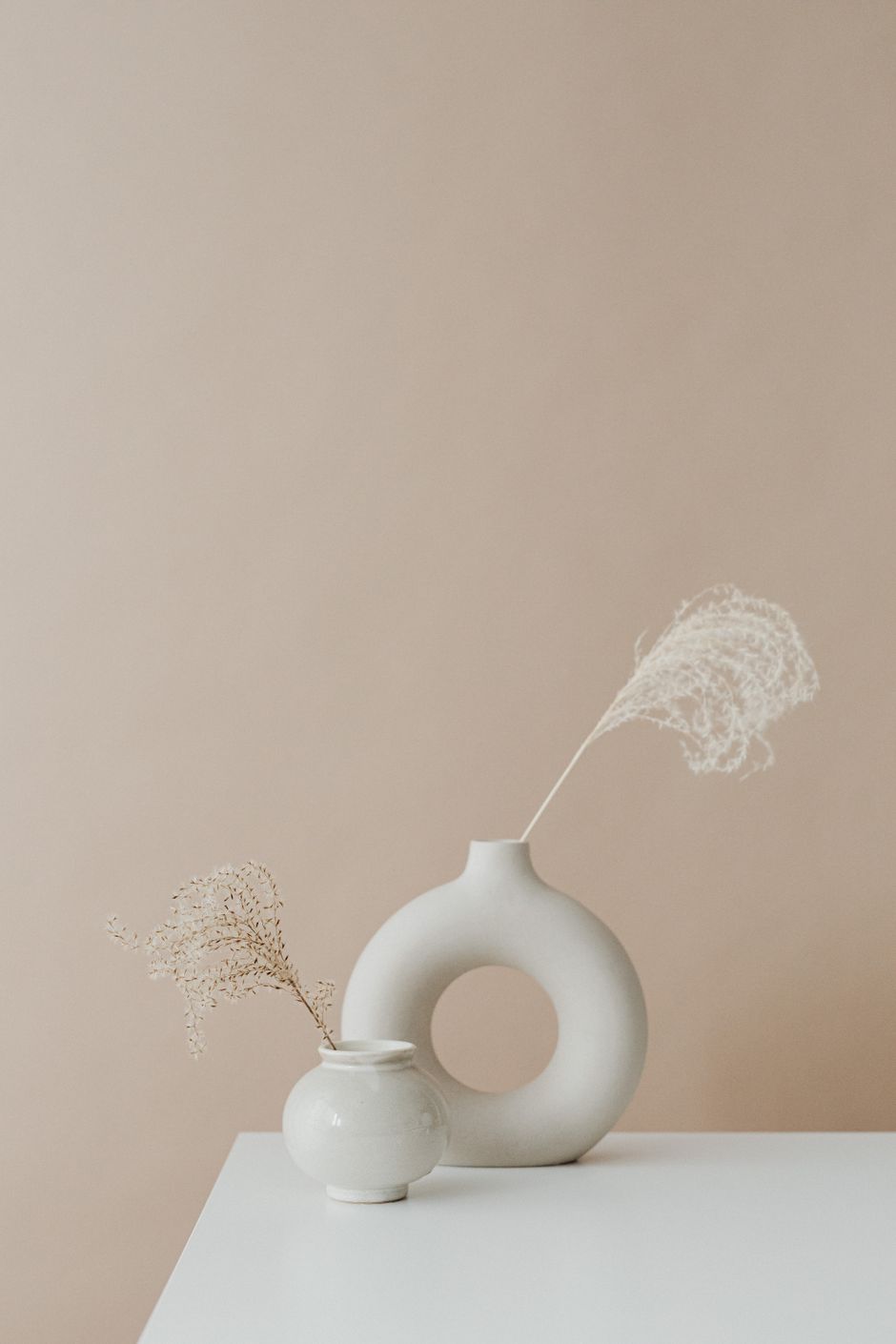
Quick answer: Match the vase's height and opening to your space and flower type, choose glass for airy minimal rooms and ceramic for warmth and texture, and stick to neutral tones unless you're confident a colour complements your palette. Mid-range pieces around £35–£50 suit most homes; budget options under £35 work beautifully for small spaces or temporary styling, while premium pieces above £50 buy distinctive design and durability.
This guide cuts through the noise. We'll walk through the criteria that actually matter — proportion, material, finish, style coherence — then show how the budget, mid-range and premium tiers differ in practice. You'll know what to filter for in the live widget on this page and why certain vases earn their price.
Modern vases have evolved. A decade ago, "modern" meant stark and colourless. Today it embraces warm ceramics, sculptural asymmetry and even subtle colour, as long as the form is clean and the proportions feel intentional. A modern vase doesn't have to be cold; it has to be considered.
The best modern vases for UK homes balance three things: visual impact (does it arrest the eye?), practical function (will it hold flowers securely and look good empty?), and longevity (will you still love it in two years?). That last point matters because a vase isn't a seasonal purchase — it's a permanent fixture that earns its shelf space whether it's holding a single stem or a lush arrangement.
Our approach is simple: we've filtered the current UK market for pieces rated 5 stars across all price bands, so you can see what's genuinely available right now. No hype, no discontinued items, no products that aren't live with current pricing. The widget on this page shows real stock and real prices; this guide teaches you how to read a vase and make a choice you won't second-guess.
Start with what actually matters when you're standing in front of a modern vase, deciding whether it belongs in your home.
How to Choose Modern Vases: What Matters
Choosing a modern vase isn't about taste alone — it's about fit. A beautiful piece that's the wrong height for your console table, or the wrong opening for your flowers, will sit in a cupboard within a month. Here's what to evaluate, in the order that saves the most regret.
Height and proportion
- Measure your space first. A vase should occupy roughly one-third of the height of the surface it sits on — a 30 cm table wants a vase around 10 cm, not a 25 cm tower.
- Tall, narrow forms (30–40 cm) anchor console tables and alcoves; short, wide vessels (10–15 cm) suit coffee tables and shelves.
- Consider sightlines. At eye level, a bulbous form feels more intimate; a tall cylinder reads as sculptural and formal.
Think of a Victorian hallway with a slim console against a radiator: a 35 cm tapered ceramic piece gives vertical interest without crowding the walkway, whereas a wide bowl would swallow the surface.
Opening diameter
- Narrow necks (under 5 cm) suit single stems or tight bunches; they're forgiving and look intentional.
- Wide mouths (8–12 cm) demand fuller arrangements or look deliberately minimal when empty.
- Flared or asymmetrical openings are trend-forward but less versatile; they work best in dedicated display roles, not everyday flower homes.
Material and finish
- Ceramic: Warm, tactile, hides dust, feels contemporary when glazed in white, grey or matte black. Heavier, so handle with care, but excellent for textured, organic rooms.
- Glass: Airy, shows water and stems, works in minimal and eclectic spaces alike. Lighter and easier to clean, but shows fingerprints and water marks. Neutral glass suits any décor; coloured glass is a statement.
- Hybrid finishes: Matte ceramic with a glossy band, or frosted glass with clear sections, add visual interest without clashing.

A north-facing flat in Manchester with little direct light benefits from clear glass, which lets whatever daylight there is pass through; a cottage with thick walls and warm wood wants matte ceramic that absorbs rather than reflects.
Colour and finish tone
- Neutral tones (white, grey, clear, natural ceramic) pair with any palette and never date.
- Soft, desaturated colours (sage, dusty blue, warm terracotta) feel modern without screaming trend.
- High-gloss finishes read formal; matte feels contemporary; speckled or textured glazes add depth.
- If your walls are neutral, a vase can be bold; if your walls have colour or pattern, keep the vase quiet.
Style coherence
- Minimalist rooms need geometric, single-material vases — a pure cylinder, clean lines, no ornament.
- Eclectic spaces can handle organic curves, asymmetry and mixed materials.
- Japandi and Scandinavian décor pair beautifully with tapered ceramic or frosted glass.
- Industrial spaces suit tall glass cylinders or matte black ceramic with visible seams.
Practical durability and stability
- Check the base: a weighted, textured bottom resists tipping and sliding.
- Feel the rim: sharp edges chip; rolled or bevelled edges last longer.
- Ceramic should feel solid, not hollow or thin-walled.
- Glass should be thick enough to feel substantial — thin glass feels cheap and breaks easily.
- Heavier vases feel more luxurious and are harder to knock over; light vases suit high shelves, weighted bases are essential near traffic.
Now let's see how these criteria translate across the price bands.
What You Get for Your Money: Budget, Mid-Range and Premium
Modern vases in the UK range from around £35 to about £100, with the bulk of sensible buys sitting in the middle. Understanding what changes at each tier helps you spend wisely rather than paying for a name or underpaying for something that chips by Christmas.
Budget tier (up to about £35)
- Simple, proven forms: straight cylinders, basic tapered shapes, minimal colour.
- Thin-walled ceramic or standard glass; noticeably lighter in the hand.
- Matte or glossy single finishes; no texture or hybrid effects.
- Smaller sizes (under 20 cm) or very narrow openings.
What you're trading is durability and finish quality: thinner walls chip more easily with regular use, glazes may feel rough or uneven, and single-tone flat finishes lack the richness of pricier pieces. Expect two to three years of regular use before wear shows. Best for renters, small spaces, temporary styling, or testing a colour before committing to a larger piece — buy three small ones instead of one large statement piece.
Vases & Decorative Accessories


Mid-range tier (about £35–£50)
- Refined proportions and thoughtful design; forms feel intentional, not generic.
- Thicker ceramic or quality glass; noticeably heavier and more stable.
- Better glazes and finishes: matte surfaces feel smooth, textured finishes add depth, frosted glass has real presence.
- Larger sizes (20–35 cm) and varied opening styles.
- Hybrid materials or finishes, such as ceramic with a glossy band or glass with a matte base.
You're trading ultra-trendy colours and bespoke artisanal detail for well-designed production pieces that last five years or more. This is where most buyers should shop: the balance of durability, design and value is strongest here, and a mid-range vase looks intentional in any room without premium pricing.
Premium tier (above about £50)
- Distinctive design: asymmetrical forms, sculptural curves or rare proportions you won't see elsewhere.
- Exceptional materials: hand-finished ceramic, thick borosilicate glass or hybrid constructions.
- Complex finishes: layered glazes, speckled surfaces, colour gradients or textured details.
- Larger statement sizes (35 cm+) or architectural forms.
- Heirloom durability; these pieces improve with age and patina.
You're trading nothing except choice — fewer options exist because these are more curated. Best for buyers investing in a focal-point piece, collectors, or anyone for whom a vase is décor first and flower vessel second.
| Aspect | Budget (up to £35) | Mid-range (£35–£50) | Premium (above £50) |
|---|---|---|---|
| Wall thickness | Thin | Medium | Thick |
| Finish quality | Basic, flat | Refined, varied | Complex, distinctive |
| Durability | 2–3 years | 5+ years | 10+ years |
| Design risk | Low | Very low | Intentional statement |
| Best use | Testing, small spaces | Most homes | Focal points, collectors |
Our Top Picks: What to Filter For

We've curated seven modern vases across all price tiers, all currently rated 5 stars in our live widget. Rather than tell you which to buy — stock and prices move — here's how to navigate the selection so you land on the right one for your room.
How to use the widget
- Filter by height: measure the surface where the vase will sit, then choose roughly one-third of that height.
- Filter by material: decide glass or ceramic based on your room's mood — glass for airy and minimal, ceramic for warm and textured.
- Filter by price: use the budget, mid-range and premium bands above to narrow your options.
- Filter by colour: start neutral (white, grey, clear, natural ceramic) and add colour only if you're confident it complements your walls or furniture.
- Filter by opening type: narrow necks suit single stems; wide mouths demand arrangements or look deliberately empty.
What makes these seven stand out
Each piece in the current selection balances form and function. None are trend-driven or fragile; all are designed to live in a real home and look better over time. They range from minimalist cylinders to organic curves, from frosted glass to speckled ceramic — enough variety to suit a Victorian terrace or a new-build flat alike.
Read the reviews in the widget. Real buyers share how these vases work in their spaces, whether they hold flowers well, and how they look when empty. That's the best predictor of whether a vase will suit your home, better than any photograph.
Quick filtering checklist
- Height match: does it suit your space? Measure first.
- Material fit: glass for minimal rooms, ceramic for warmth.
- Opening practicality: narrow for single stems, wide for arrangements.
- Colour longevity: neutral is safer; soft colours feel modern.
- Finish substance: matte, textured or thick glass beats flat and thin.
- Base stability: tip it slightly; it should feel grounded.
Once you've filtered by these criteria, the widget shows live products and current prices. Read the reviews, check the dimensions, and shortlist two or three — then choose the one you'd be happiest seeing every day.
Styling, Placement and Common Questions
Where to place modern vases
- Console tables and hallways: tall, narrow vases (30 cm+) create a welcoming focal point without blocking sightlines.
- Shelving and alcoves: short, sculptural vases (10–15 cm) sit comfortably among books and objects — visual punctuation, not clutter.
- Dining tables: medium vases (20–25 cm) with narrow openings keep arrangements low so guests can see each other.
- Windowsills: glass vases backlit by natural light are stunning; ceramic adds warmth and texture.
- Floor placement: only if weighted and stable — tall floor vases anchor corners and add vertical interest in minimal rooms.
Styling with flowers and without: modern vases should look intentional whether holding flowers or standing empty. A single stem, a branch, or carefully arranged greenery often looks better than a crowded bunch. Leave it empty for weeks if you like — the form should be beautiful on its own.
Frequently asked questions
Will a modern vase work with traditional furniture? Yes, if you choose neutral colours and simple forms. A white ceramic cylinder or clear glass vase complements any style. Avoid bold colours or very sculptural shapes if your furniture is ornate or period.
How do I clean the inside of a narrow-necked vase? Use a bottle brush, warm water and a drop of washing-up liquid. For stubborn stains, fill with water and uncooked rice, shake vigorously, then rinse. Avoid bleach on ceramic; it can stain glazes.
Can I put a modern vase in a bathroom or kitchen? Glass handles humidity well; glazed ceramic is fine too, though unglazed ceramic absorbs moisture. Avoid placing directly above a sink or radiator where temperature swings cause condensation or heat stress.
Should I buy one statement vase or several small ones? Both work. One large vase creates a focal point and feels luxurious; three small vases in the same material and colour create rhythm and flexibility. Budget buyers often prefer multiple small pieces; premium buyers invest in one stunning statement piece.
Modern vases are an affordable way to anchor your décor and bring nature indoors. Use the criteria above to narrow your choices, trust the reviews in our live widget, and pick the one you'll love seeing every single day.