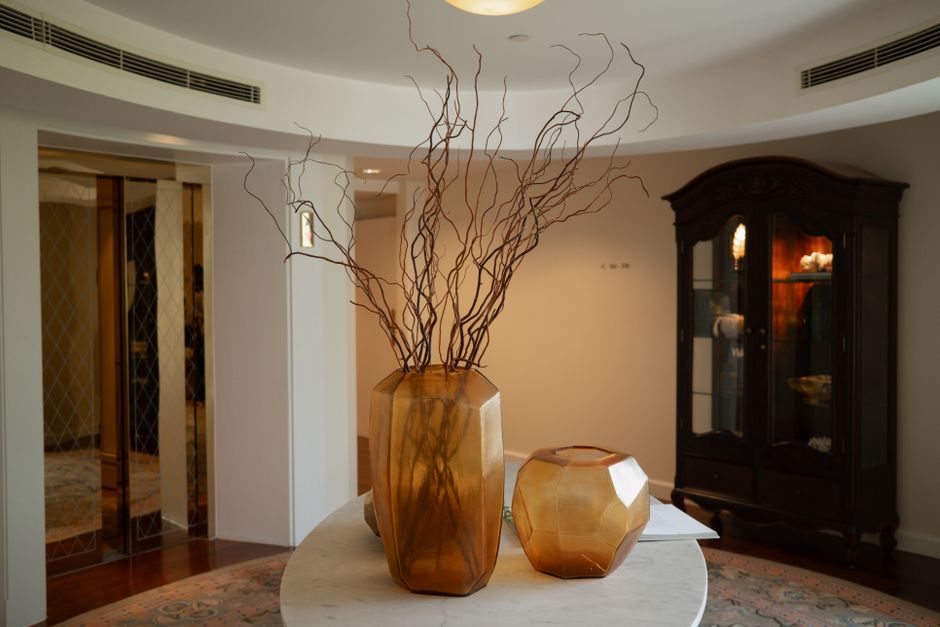
Best Modern Living Room Furniture & Décor 2026
Most modern living room furniture and décor in the UK sits between roughly £390 and £820, with the bulk of sensible buys landing in the £470–£600 mid-range. Spend under £470 and you're typically buying a softwood or engineered frame with fixed covers; spend above £600 and you're paying for hardwood, removable covers and a warranty that actually means something. That gap is the single most useful thing to understand before you start comparing.
Quick answer: buy at the mid-range if you want a piece that lasts seven to ten years without fuss, drop to budget only for low-wear rooms or a layout you're still testing, and go premium when the room is high-traffic or you intend to keep the piece for a decade or more.
Modern is not the same as empty. A contemporary room earns its calm through deliberate choices — one anchoring sofa, a coherent material story in velvet, leather or wood, and enough restraint to let each piece breathe. The trap is buying plain and calling it modern; plain without proportion just looks unfinished.
Why the price band matters more than the label
Two sofas can look identical in a photograph and differ entirely underneath. The budget tier usually means sinuous springs or webbing, polyurethane foam that flattens within a few years, and covers you cannot remove. The mid-range brings pocket coils or high-density foam, hardwood or plywood frames, and washable covers — the practical difference between cleaning up a spill and living with it.
Consider a typical Manchester terrace: a 3.4 m lounge with a radiator under the window and a doorway that clips the corner. A three-seater bought on looks alone will crowd that room, whereas a two-seater plus a standalone chair keeps the walking line clear and costs less. Scale beats size every time.
The eight options tracked on this page
We keep eight consistently five-star-rated pieces live in the widget on this page, spanning budget to premium and covering the layouts most UK buyers actually need: two-seaters, three-seaters, corner and right-arm configurations, plus standalone seaters. Prices and stock refresh daily there; the bands in this guide are aggregates and stay true.
Your job is narrower than it feels. Decide the configuration your room can take, pick the material that suits your household, then set your tier. Everything else — leg finish, cushion fill, delivery window — is detail you can settle once those three are fixed.
How to Choose: Five Criteria That Actually Decide It
Choosing well is a sequence of practical decisions rather than a hunt for a look. Work through these in order and the shortlist builds itself.
1. Scale and layout
Measure length, width, and the distance from the sofa wall to the opposite wall before anything else. Under about 3.5 m wide, a two-seater or a compact corner reads more balanced than an oversized three-seater; in a long open-plan space, a corner or modular arrangement gives visual weight without blocking the flow.
- Room dimensions: length × width, plus the main walking route through the room.
- Fixed obstacles: radiators, door swings, chimney breasts and window sills.
- Configuration: corner, right-arm, left-arm or standalone — decide before you browse.
- Footprint check: tape the sofa's outline on the floor and live with it for a day.
2. Material and maintenance
Three materials dominate this category, and each carries a household tax. Velvet is warm and forgiving on colour but holds dust and footprints; leather wipes clean but feels cold on first sit and costs more at every tier; wood frames and legs reward you with strength, though veneer is cheaper and far less repairable than solid stock.
- Fabric and velvet: best for warm, textured rooms without heavy pet traffic; check whether covers are removable.
- Leather: the practical choice for busy households and young children; expect full-grain only at premium.
- Wood: solid oak or walnut outlasts pine and veneer; look for solid timber where it bears load.
3. Colour and palette

Grey remains the default because it refuses to date and accepts almost any accent — mustard, teal, blush, olive. Charcoal, taupe and muted blue work equally well. Treat strong trend shades with suspicion unless you're content to refresh the room every three to five years.
4. Comfort and support
Modern silhouettes can still be comfortable. Aim for a seat depth of 50–65 cm, arm height around 60–65 cm, and a back angle slightly reclined at 100–110 degrees. A firmer seat suits the clean-lined look; a softer one may feel better on long evenings but can read dated.
5. Durability and warranty
Warranty length is a decent proxy for how much faith the maker has in the frame. Budget pieces typically carry one to two years, mid-range three to five, and premium five to ten or more. A Bristol flat-share with four adults will stress a sofa far harder than a spare room, so match the warranty to the wear.
What Your Money Buys: Budget, Mid-Range and Premium
The three tiers are less about looks than about what happens in year four. Here's the honest breakdown.
Budget — up to about £470
Modern Living Room


You get a recognisably modern piece that does the job: softwood or engineered frame, webbing or basic springs, synthetic-blend or lighter natural fabric, and metal or coated-wood legs. Cushions are standard foam rather than high-density.
- What you sacrifice: longevity and repairability — fixed covers, frames that may creak after three or four years, fabric that can pill.
- Best for: first homes, renters, spare rooms, or testing a layout before committing properly.
Mid-range — about £470–£600
This is the sweet spot where most of the tracked options sit. Expect hardwood or plywood frames, pocket coils or high-density foam, quality linen blends or velvet with removable washable covers, and better cushion retention.
- What you sacrifice: little — mainly customisation, since colour and configuration choices narrow compared with premium.
- Best for: most households wanting a piece they'll keep seven to ten years.
Premium — above about £600
Full hardwood frames, high-density foam, Italian velvet or aniline leather, removable covers and extended warranties. You're buying engineering and flexibility — leg finishes, arm styles, modular add-ons — rather than extra comfort.
- What you sacrifice: nothing material, though premium doesn't automatically mean more comfortable.
- Best for: high-traffic family rooms and anyone who values repairability over a quick refresh.
| Aspect | Budget (up to £470) | Mid-range (£470–£600) | Premium (above £600) |
|---|---|---|---|
| Frame | Softwood or engineered | Hardwood or plywood | Full hardwood |
| Suspension | Webbing or basic springs | Springs plus foam | High-density foam with coils |
| Fabric | Synthetic blend | Linen or cotton blend | Premium velvet or leather |
| Covers | Fixed | Removable, washable | Removable, premium finish |
| Lifespan | 3–5 years | 7–10 years | 10–15+ years |
| Warranty | 1–2 years | 3–5 years | 5–10+ years |
Filtering the Live Widget to Find Your Match
The eight tracked pieces are all rated five stars, so quality isn't the differentiator — fit is. Use the widget in this order and you'll cut the list to two or three candidates in minutes.

Start with configuration
Filter by seating type first, because it's the one thing you can't change later. A two-seater suits rooms under 3.5 m and pairs well with an accent chair; a three-seater anchors a 3.5–4.5 m room; a corner or right-arm sectional defines a zone in open-plan space; a standalone seater adds flexibility or creates a reading corner.
Then narrow by material
Households with pets or small children should prioritise leather or performance fabric with removable covers. If warmth and texture matter more, velvet in a decent weight — over 300 gsm — will hold up. A Leeds household with two Labradors and a toddler is a leather conversation; a child-free Edinburgh flat can indulge in velvet without regret.
Set your tier, then verify the practicalities
Apply your budget band and check each listing for seat depth, overall footprint, weight, assembly requirements, delivery timeframe and the returns window, usually around 30 days. If you're in a flat with a narrow stair, read the delivery notes carefully — some pieces arrive modular, others fully assembled and immovable.
- Dimensions: confirm footprint against your taped outline.
- Delivery: check access notes for flats and tight hallways.
- Reviews: skim for comments on colour in natural light and long-term comfort.
Styling, Placement and Common Questions
Once the anchor piece is in, the room is won or lost on the layer around it. Keep the supporting cast small and deliberate.
Layer with restraint
- Side table: 40–50 cm tall, wood or metal, sized to hold a lamp and a book.
- Coffee table: 80–120 cm long, leaving about 30 cm between it and the sofa edge.
- Rug: 200 × 300 cm or larger, with the sofa's front feet sitting on it to anchor the zone.
- Lighting: a floor lamp or pendant to supplement daylight and warm the room after dark.
- Wall interest: art or a single feature wall behind the sofa rather than shelves of ornaments.
Placement that works
Face the sofa toward the main light source or television without pressing it against either. Leave 60–90 cm between the sofa and the opposite wall for walking and visual breathing room, and angle a corner piece slightly into the room rather than flushing it to both walls. A standalone chair with a small side table makes a natural reading nook by a window.
Questions buyers keep asking
Will grey look boring? No — grey is a canvas. It lets accent colours and textures do the talking, which is precisely the modern approach.
Will it fit through the door? Check the delivery notes on each listing; most pieces arrive in sections or can be angled through. When in doubt, ring the delivery team before ordering.
Is velvet practical? Quality velvet over 300 gsm is durable and brushes clean easily, but it shows dust and footprints. Heavy-shedding pets and very young children push you toward leather or performance fabric.
Can I mix retailers? Yes. A sofa from one source, a side table from another and a rug from a third will cohere if they share a palette and material story — warm wood, grey fabric, brushed metal.
Buy for how the room is actually used, set your tier honestly, and let the widget confirm the fit. The right piece is the one still earning its place in ten years, not the one that looked best in a photograph.