Best Air Purifier for Large Room 2026
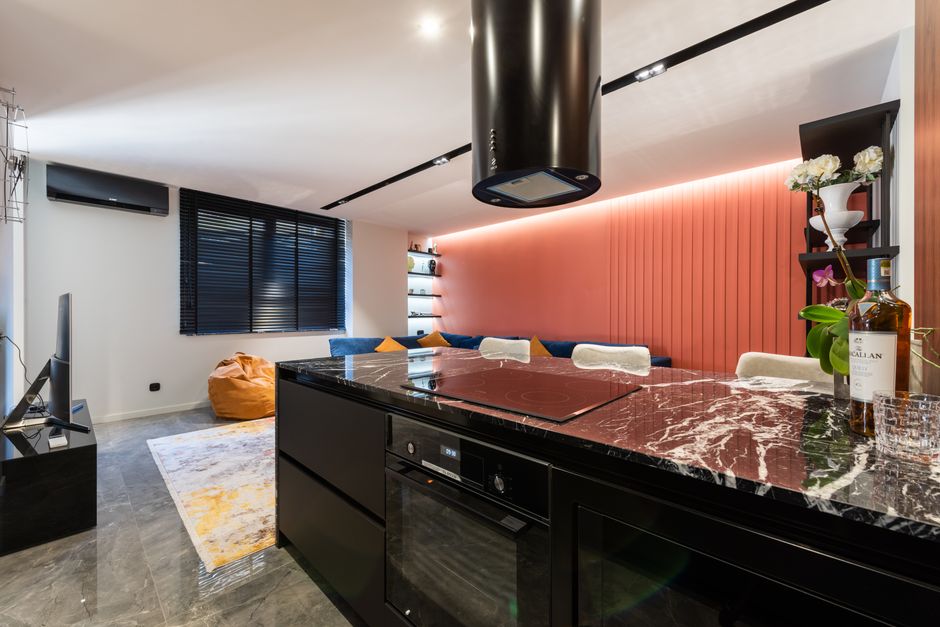
Why this matters more than it did a decade ago: British homes have shifted towards open-plan layouts, where one purifier has to serve a kitchen, dining table and sofa zone at once. Add pollen seasons that now start earlier, pet dander in homes that increasingly keep dogs and cats, and winter cooking smells that linger in sealed, well-insulated rooms, and the case for proper filtration writes itself. A purifier that is too small will run at maximum fan speed, annoy everyone in the room, and still leave the far corner stale. One with a cheap filter clogs within weeks, loses suction and quietly becomes an expensive ornament.
Eight large-room models are tracked live on this page, all rated between 4.6 and 4.8 stars by UK buyers, with prices refreshed daily in the widget below. What follows is the judgement you need before you click anything: the five specifications that actually determine performance, what each price tier genuinely delivers, and how to filter the live listings down to the one unit that suits your room.
How to Choose an Air Purifier for Large Room: What Matters
Five factors decide whether a large-room purifier works or wastes your money. Everything else — app control, coloured lighting, voice assistants — is decoration.
- Coverage area: manufacturers rate units by maximum room size, so never buy below your actual floor area; if you sit between two ratings, round up, because a 42 square metre room paired with a 37 square metre unit will never hit the four to six air changes per hour that make a noticeable difference.
- True HEPA filtration: genuine HEPA captures 99.97% of particles at 0.3 microns — dust, pollen, dander, mould spores — whereas "HEPA-type" or "HEPA-style" filters are weaker and degrade faster, so insist on the real thing.
- CADR rating: Clean Air Delivery Rate measures how quickly a unit clears smoke, dust and pollen, and for large rooms you want 250 or above on dust and pollen, with 200-plus on smoke; a CADR around 300 will noticeably freshen a big room within the hour.
- Noise on low speed: powerful motors get loud, so check the decibel figure for the lowest setting — under 50dB is whisper-quiet and rare, 50–60dB is fine for daytime, and anything above 65dB will end up switched off.
- Filter cost and lifespan: budget units often need a new filter every three to four months while premium models stretch to twelve, and replacements typically run £20–£50, so a cheap purifier with frequent changes can cost more over a year than a dearer one.
Take a real example: a Victorian terrace in Leeds with a knocked-through ground floor of about 45 square metres. A unit rated to 37 square metres will technically run, but the kitchen end will stay fuggy after cooking while the sofa end clears. Sizing up solves it in one move.
Secondary considerations that still matter

Activated carbon is the one extra worth paying for. HEPA alone traps particles but does nothing for cooking odours, smoke or VOCs, so look for multi-stage filtration if your purifier lives near a kitchen. Auto mode is the second genuinely useful feature: a sensor adjusts fan speed to detected pollution, which cuts both electricity use and noise. Ash finishes appear across this category and suit contemporary British interiors far better than glossy white plastic, though they make no difference to performance. Warranty length of two to three years signals confidence in the motor, which is the part that fails.
One number worth doing before you buy: annual running cost. Add the filter price divided by its lifespan in months, multiplied by twelve, to the electricity cost of running the unit eight hours a day. That figure, not the shelf price, is what you are actually committing to.
What You Get for Your Money: Budget, Mid-Range and Premium
Prices in this category cluster into three clear tiers, and the gaps between them are consistent enough to plan around.
- Budget, up to about £80: coverage for roughly 28–37 square metres, usually true HEPA, two or three fan speeds, CADR around 150–220, noise of 65–72dB, filters lasting three to four months and no smart features — fine for a bedroom or a modest lounge used occasionally.
- Mid-range, about £80–£140: coverage for 37–51 square metres, HEPA plus activated carbon, three to five speeds with auto mode, CADR of 250–350, noise of 55–65dB, filters lasting six to nine months, basic app and timer functions, and a two-year warranty — this is where most buyers should land.
- Premium, above about £140: coverage beyond 46 square metres, multi-stage filtration with a washable pre-filter, five or more speeds with intelligent auto mode, CADR above 350, noise of 48–58dB, filters lasting nine to twelve months, full smart integration and a two to three-year warranty.
| Feature | Budget | Mid-range | Premium |
|---|---|---|---|
| Coverage | 28–37 m² | 37–51 m² | 46 m²+ |
| Dust CADR | 150–220 | 250–350 | 350+ |
| Noise on low | 65–72dB | 55–65dB | 48–58dB |
| Filter lifespan | 3–4 months | 6–9 months | 9–12 months |
| Annual filter cost | £80–£120 | £50–£80 | £40–£60 |
| Best for | Bedrooms, occasional use | Most large rooms | Open-plan, daily use |
Large Room Air Purifiers


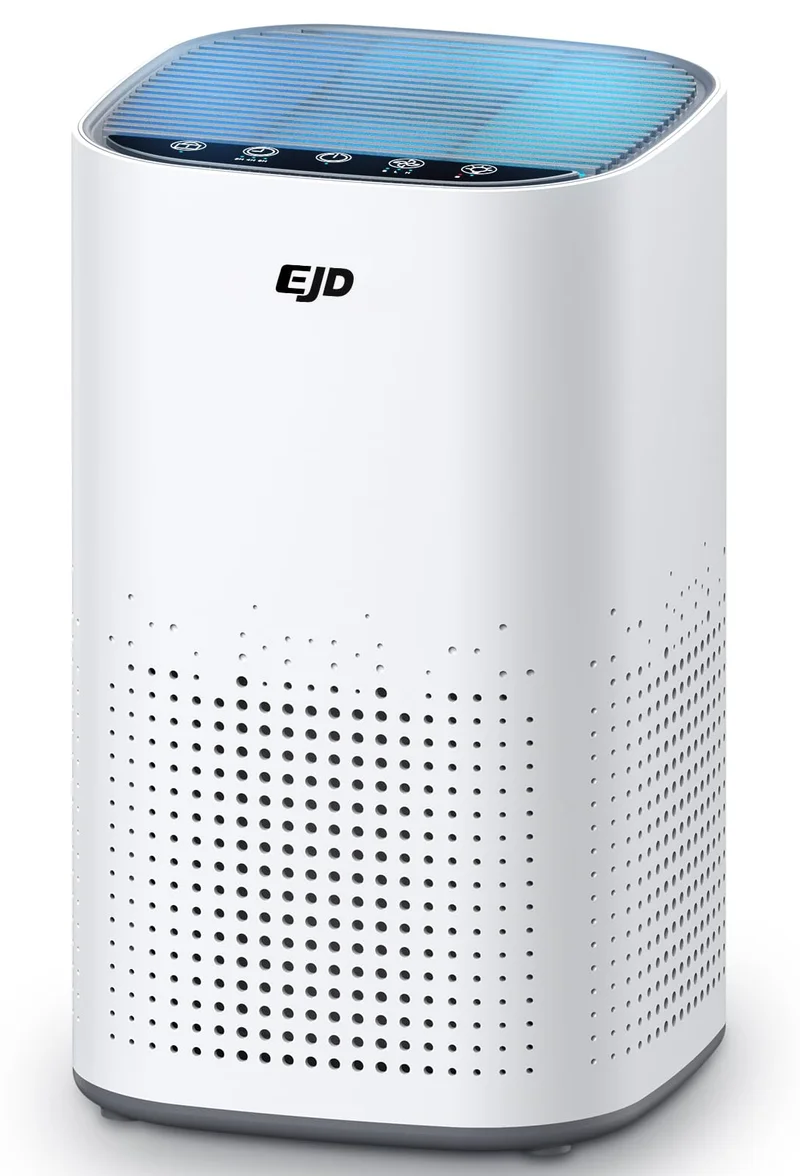

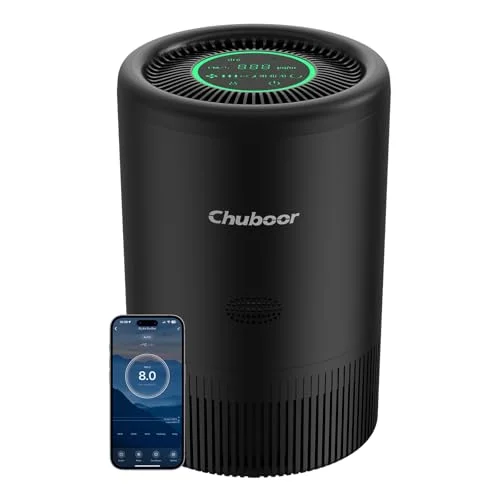

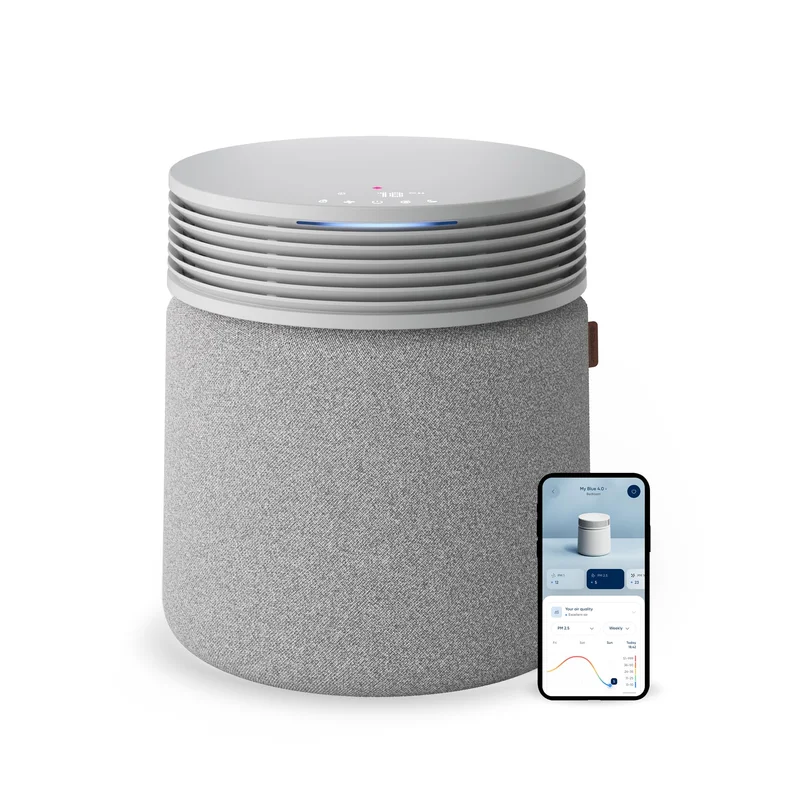

The value sweet spot sits firmly in the middle. A mid-range unit costs more upfront than a budget one but claws much of it back on filters within eighteen months, and — crucially — it is quiet enough that you will actually leave it running. That last point is the whole game. A purifier only works when it is on.
Premium earns its keep in two specific situations: a genuinely open-plan space beyond 46 square metres, or a household with allergy sufferers running filtration around the clock. In a Manchester loft conversion with a mezzanine bedroom above the living space, the quieter motor alone justifies the step up, because a loud unit in an echoey room is unbearable within a week.
Our Top Picks: How to Filter the Live Widget

The eight tracked models on this page all clear the basic bar, so the job is narrowing rather than researching from scratch. Work through the filters in this order.
Start with coverage. Set the room-size filter to your actual floor area and never accept a unit rated below it. Measure properly — a room you think of as "big" may be 30 square metres, while a through-lounge can easily hit 50. If you are within 10% of a rating, size up.
Then set your price tier. Budget up to about £80, mid-range about £80–£140, premium above about £140. Sorting by rating within a tier is sensible, but read the CADR and noise figures before you commit, because two similarly rated units can differ hugely on both.
Compare the specs that matter. Higher dust CADR wins on speed; lower low-speed noise wins on whether you will keep it running overnight. Check filter lifespan and replacement availability too — a model with no readily available filters is a dead end regardless of its star rating.
Read the reviews for reality checks. Look for comments on noise in practice, whether replacements are easy to source, and real-world coverage claims from buyers with similar rooms. A review saying it copes with a 45 square metre open-plan kitchen-diner tells you more than any spec sheet. Confirm the warranty before buying; two years is standard, three is a good sign.
Styling, Placement and Common Questions
Where the unit sits matters as much as which one you buy. Keep it at least a metre from walls so air can circulate, off carpet where possible because carpet blocks intake vents, away from direct sunlight that can degrade the motor, and clear of microwaves and televisions that can confuse onboard sensors. In a long open-plan room, place it centrally rather than in a corner, where air stagnates.
Visually, current large-room purifiers are mostly slim vertical towers that take up little floor space, finished in neutral tones including ash, with minimal branding. In a minimalist room, choose app-controlled operation so the control panel does not interrupt a clean wall. A purifier should read as furniture, not as a appliance you tolerate.
Frequently asked questions
- How long should it run each day? Eight to twelve hours gives a clear improvement; auto mode trims energy and noise by ramping up only when needed. Continuous running is safe but wears filters faster.
- Can a large-room unit go in a small room? Yes — it will clean faster and run quieter on low, and the motor works less hard, though you pay more upfront than necessary.
- Is the pre-filter separate? On most models it is washable and should be rinsed monthly; the HEPA cartridge inside still needs changing every six to twelve months.
- Will it kill cooking smells? Only with activated carbon. HEPA traps particles, not odours, so check for multi-stage filtration if your kitchen is nearby.
- How do I know the filter is spent? Many units have an indicator light or app alert, but do not wait for it — stale smells and rising noise mean a clogged filter is already cutting CADR by 30–50%.
Size to your space, prioritise CADR and low-speed noise, and pick the tier that matches how often you will run it. The live widget above holds eight proven options between 4.6 and 4.8 stars; filter by coverage and budget, check the specs, and buy once.