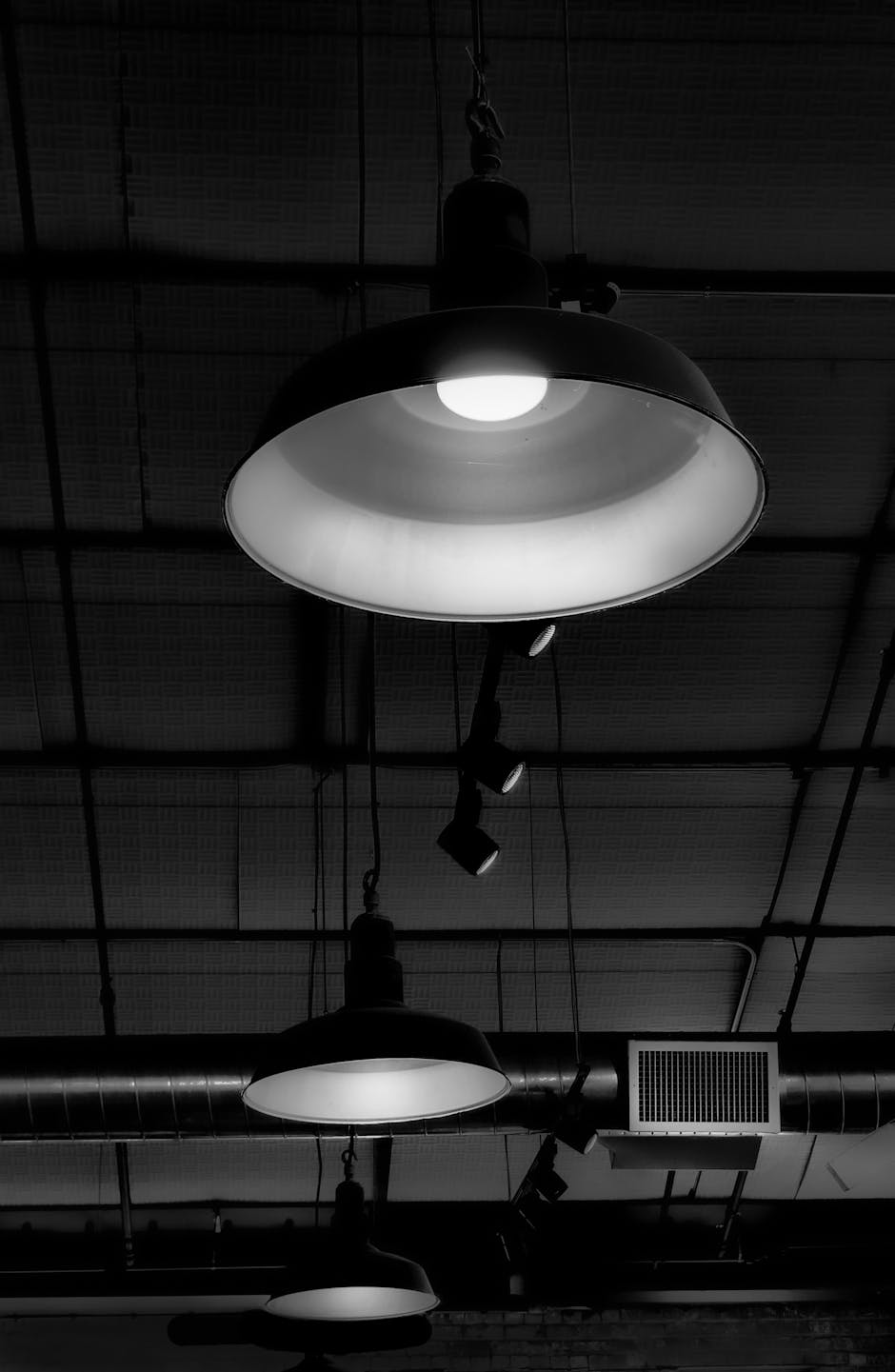
Top pick in ceiling lamps

Best ceiling lamps


The materials used in your ceiling lamps lamp directly affect how long it'll last and how it'll look in six months' time. Metal fixtures—brass, chrome, or powder-coated steel—are far more durable than plastic, especially in kitchens and bathrooms where moisture and temperature fluctuate. A brass ceiling lamp with a quality lacquer finish will develop character over time; a cheap plastic base will yellow and crack.
Check the weight of the fixture when you're comparing options. Heavier usually means better materials and more substantial construction, though it also means you need proper ceiling lamps fixings (more on that in a moment).
Dimensions and Room Scale
This is where most people stumble. A 40cm diameter pendant looks enormous in a standard bedroom but disappears in a large kitchen diner. Measure your ceiling height and the room's square footage before you buy—our tracker shows products ranging across multiple size categories, so you've got real choice here.
For a typical 2.4-metre ceiling in a lounge, aim for a fixture that's roughly 30–50cm in diameter. Go smaller (20–30cm) for hallways and bedrooms; larger (50cm+) only if you've got high ceilings or a genuinely spacious kitchen.
Weight Capacity and Installation
Your ceiling needs to handle the lamp's weight safely. Standard UK plasterboard can support roughly 5–10kg with the right fixings, but older lath-and-plaster ceilings are more fragile. If your ceiling lamp weighs more than 3kg, you'll need a proper ceiling rose and either a joist or a heavy-duty toggle bolt—not just a standard pendant hook.
This matters because it determines whether you can install the lamp yourself or need a qualified electrician (which costs £80–150 on top of the fixture price).
Build Quality and Electrics
Look for lamps with proper cable sheathing, secure connections, and a recognisable electrical standard mark (UK plugs and fittings should be CE-marked). Cheap fixtures sometimes have thin wiring or dodgy switches that fail within months.

The bulb compatibility also counts. LED-compatible fittings are now standard, but older designs might only work with traditional incandescent bulbs, which are pricier to run and hotter to touch.
Style Compatibility with Your Interior
A minimalist Scandinavian ceiling lamp will clash with a maximalist bohemian bedroom, and vice versa. Before you buy, think about your existing colour palette, ceiling height, and the mood you want to create. A warm brass or opal glass fixture suits traditional and mid-century interiors; matte black or chrome works for contemporary spaces.
If you're unsure, neutral finishes like brushed nickel or natural wood are safer bets because they adapt to different décor styles as your taste evolves.
How Much Should You Spend on Ceiling Lamps in the UK?
Our 90-day price tracker monitors 29 ceiling lamp products across the UK market, and the range is eye-watering: from £9.48 to £247.30. But price alone doesn't tell you whether you're getting value. Here's how to think about your budget honestly.
Budget Tier: Under £40
At this price point, you're looking at basic functionality and simple designs. Materials tend to be plastic or thin metal, and you'll often compromise on finish quality or cable durability. These lamps work perfectly well in spaces where you don't need the fixture to be a focal point—a utility room, hallway, or rental property where you're not investing long-term.
The trade-off is clear: expect a shorter lifespan (2–4 years before switches fail or finishes degrade) and less aesthetic refinement. But if you're on a tight budget or testing a new room layout, under £40 is genuinely sensible.
Mid-Range Tier: Around £77.28
This is where our tracker's average price sits, and it's the sweet spot for most UK homeowners. At this level, you get better materials (solid metal bases, quality glass or fabric shades), more reliable electrics, and designs that actually complement your interior rather than just fill a gap. You're also more likely to find products with proper weight ratings and compatible with modern LED bulbs.
Lamps in this bracket typically last 5–8 years with normal use, and they hold their appearance far better than budget options. If you're buying for a room you care about, this is where your money works hardest.
Premium Tier: Above £77.28
Beyond the mid-range, you're paying for designer names, handcrafted finishes, or specialist materials like hand-blown glass or solid brass. These are genuinely beautiful pieces, but they're not necessarily more functional than a £100 lamp. Buy premium if the fixture is a statement piece you'll keep for decades, or if you're matching a specific designer collection.

For most people, premium pricing isn't justified by performance alone. You're buying aesthetics and longevity, which matters only if you love the design enough to live with it for 10+ years.
Right now, our tracker shows 29 products at their 90-day low price and 18 with active deals, making this a genuinely good moment to shop. Here are the top-tracked picks our system recommends under £40:
Top Brands for Ceiling Lamps in the UK
Two brands consistently dominate our tracker: kingmaled and slochi. Understanding their positioning helps you narrow your search and know what to expect at different price points.
Kingmaled
Kingmaled sits firmly in the budget-to-mid-range territory, offering functional designs at accessible prices. Their fixtures are straightforward—clean lines, reliable electrics, and no unnecessary frills. If you're furnishing a rental, updating a hallway, or need multiple lamps without breaking the bank, kingmaled delivers consistency.
Expect to find their products clustered in the £15–£60 range on our tracker. They're not luxury, but they're honest value.
Slochi
Slochi pitches slightly higher, with more considered design and better material finishes. Their lamps often feature fabric shades, brass accents, or sculptural bases that elevate a room's aesthetic. They suit homeowners who want their ceiling lamp to be noticed and appreciated, not just functional.
Slochi products typically track between £40–£120, depending on the collection. They're the brand to choose if you want something that feels intentional and designed, rather than purely utilitarian.
Is Now a Good Time to Buy Ceiling Lamps?
Yes—and here's why backed by real data. Our 90-day tracker shows 29 products currently at their lowest recorded price, and 18 products have active deals running right now. That's a strong buying window.
Historically, December is the cheapest month for ceiling lamps across the UK market, so if you can wait until November or early December, you might squeeze another 5–10% off. But if you need a lamp now, the current price environment is genuinely favourable—you're not overpaying.
Our recommendation: buy now if you've found a specific lamp you love at a reasonable price. Set a free price-drop alert on your shortlist if you're still deciding; we'll notify you the moment any product hits its lowest recorded price.