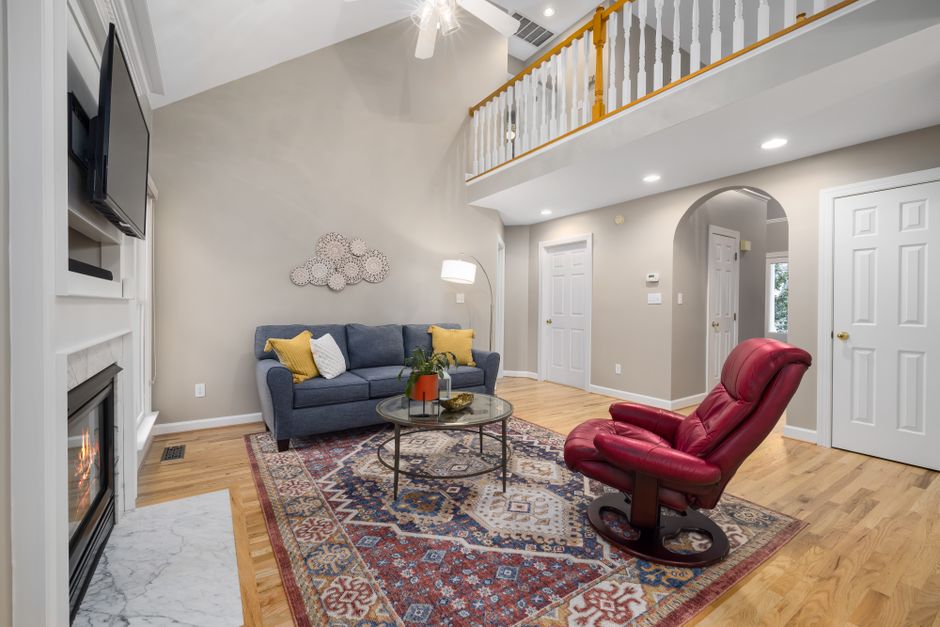
The Fundamentals: Key Recliner Types and Mechanisms
Deciphering the core differences between recliners begins with understanding their fundamental types and how they operate. This foundational knowledge is essential for matching a recliner to your specific requirements for comfort, space, and ease of use.
Manual vs. Power Recliners
The distinction between manual and power recliners represents one of the most significant differences in how you'll interact with your chair daily. Manual recliners are operated by a lever, handle, or simply pushing back with your body weight, making them generally more budget-friendly and flexible in placement since they don't require an electrical outlet. They're reliable and straightforward, often featuring sturdy metal mechanisms that rarely need servicing. Some popular manual styles include push-back recliners, which require you to lean back to activate the recline, and those with external levers for footrest deployment. For those living in flats or homes with limited power access, a manual recliner offers genuine freedom.
Power recliners, by contrast, are activated by buttons, a remote control, or even voice commands. They offer smooth, effortless adjustments to multiple positions, often including independent headrest and lumbar support controls. Many come with convenient features like USB charging ports built into the armrests, making them ideal for modern living. Whilst typically a premium option, their ease of use is invaluable, especially for those with mobility considerations or anyone who simply wants the convenience of adjusting their position without physical effort. Look for models with robust steel or chrome mechanisms for lasting performance; these materials resist wear and maintain smooth operation over years of use.
Recline Actions and Movement Types
Beyond the power source, the physical way a recliner moves defines how it fits into your space and daily routine. Standard recline is the classic motion where the back reclines and the footrest elevates simultaneously. These require significant space behind them—often 60 cm or more—to fully recline, which can be problematic in smaller UK homes. This is where wall-hugger (or wall-saver) recliners become invaluable. Designed specifically for compact spaces, these recliners move forward as they recline, allowing them to be placed just inches from a wall. This is a crucial distinction for smaller UK living rooms or bedrooms, maximising floor space without sacrificing comfort. Many wall-huggers feature sleek metal bases and are increasingly popular in urban properties where every centimetre counts.
Rocker or glider recliners offer a gentle rocking or gliding motion when not reclined, making them popular for nurseries or as a soothing addition to a living area. They combine the comfort of a recliner with the calming movement of a traditional rocking chair, providing both relaxation and therapeutic motion. Swivel recliners allow the chair to rotate 360 degrees, offering versatility for conversation or viewing different parts of a room. Some models combine swivel with recline functionality, giving you maximum flexibility. Lift recliners are specifically designed to assist users in standing up, with a mechanism that gently tilts the entire chair forward. They are invaluable for individuals with mobility challenges, providing both recline comfort and practical assistance—a feature that can genuinely improve quality of life.
Upholstery and Frame Materials
The materials you choose for your recliner affect not only its appearance but also its durability, maintenance requirements, and how it feels to sit in. Leather is a premium choice, offering exceptional durability, easy cleaning, and a luxurious feel that improves with age. Available in various finishes, including classic black, leather recliners develop a beautiful patina and add sophistication to any room. They often feature robust metal frames underneath, ensuring structural integrity. Leather is particularly practical if you have children or pets, as spills can be wiped clean without worry.
Fabric recliners offer a vast array of colours, textures, and patterns, providing softness and warmth that leather cannot match. Fabric can be more breathable and often comes at a more accessible price point, making it ideal for those working within tighter budgets. They are incredibly versatile for matching diverse interior styles, from contemporary to traditional. The internal frame and mechanism, typically made from steel or other durable metals, dictate the recliner's longevity and stability. Chrome accents on exposed parts can add a modern touch, whilst painted or powder-coated steel provides durability with a cleaner aesthetic. A well-constructed frame will feel solid and stable in all positions, resisting wobbling or creaking even after years of regular use.
Recliner Types Comparison
| Recliner Type | Space Required | Operation | Best For | Price Range | Maintenance |
|---|---|---|---|---|---|
| Manual Standard | 60 cm+ behind chair | Lever or push-back | Budget-conscious buyers, reliable operation | Budget | Minimal; sturdy mechanisms |
| Manual Wall-Hugger | 2–5 cm from wall | Lever or push-back | Small UK homes, space-saving priority | Budget–Mid | Minimal; forward-moving mechanism |
| Power Standard | 60 cm+ behind chair | Remote control or buttons | Effortless adjustment, modern features | Premium | Electrical outlet required; smooth operation |
| Power Wall-Hugger | 2–5 cm from wall | Remote control or buttons | Space-saving with electric convenience | Premium | Electrical outlet required; advanced mechanisms |
| Rocker/Glider | Varies by model | Manual rocking or gliding motion | Nurseries, therapeutic relaxation | Budget–Mid | Minimal; smooth pivot points |
| Swivel | Varies by model | Manual or power rotation | Open-plan spaces, versatile positioning | Mid–Premium | Minimal; 360-degree base maintenance |
| Lift Recliner | Varies by model | Power-assisted standing mechanism | Elderly, mobility-challenged users | Premium | Electrical outlet required; robust mechanism |
Practical Ideas: Integrating Your Recliner Seamlessly
Once you understand the fundamental differences, the next step is to envision how your chosen recliner will enhance your home. Thoughtful integration ensures it becomes a beloved feature, not just another piece of furniture taking up space.
Optimise for Your Space
The size and layout of your room should heavily influence which type of recliner you select. For small living rooms, prioritise wall-hugger recliners—these are best for compact UK homes where space is at a premium, as their forward-moving mechanism means they need minimal clearance from the wall. Consider a sleek, black leather finish for a modern, space-defining look that doesn't visually bulk up the room. Measure your available space meticulously before shopping, including the wall space behind where the recliner will sit.
In open-plan areas, a swivel recliner can be a versatile choice, allowing you to easily pivot between different zones—from the TV to a conversation area or even a kitchen view. A recliner with a clean metal base can blend well with contemporary open layouts, maintaining visual lightness. For dedicated nooks, such as a reading corner or a quiet retreat in a bedroom, a manual push-back recliner is best for simple comfort without the need for power outlets, creating a serene escape that feels intentional rather than an afterthought. Position your recliner to complement, not obstruct, traffic flow through the room, ensuring there's enough room for full recline, especially for traditional models.
Match Your Interior Style

Your recliner should enhance your existing décor rather than clash with it. For modern and minimalist interiors, opt for recliners with clean lines, slender profiles, and understated upholstery—these are best for contemporary spaces where visual simplicity matters. Black leather or a neutral fabric with chrome or steel accents will complement a contemporary aesthetic beautifully. Avoid overly bulky designs that dominate the visual space. A low-profile power recliner with minimal visible mechanisms can sit elegantly in a minimalist room without drawing unwanted attention.
Traditional and classic interiors call for recliners with rolled arms, tufting, or a more substantial silhouette—these are best for heritage-focused décor schemes. Rich leather or textured fabrics in deeper tones can enhance a classic décor scheme, making the recliner feel like a natural part of the room's heritage. A traditional rocker recliner can add a timeless touch, evoking comfort and stability. Eclectic and transitional styles offer more freedom. A contemporary recliner in a bold fabric can become a focal point, or a classic leather piece can ground a more varied collection. The key is balance and personal expression—let your recliner reflect your taste whilst maintaining harmony with surrounding pieces.
Consider User Needs and Functionality
The best recliner for your home is one that genuinely meets your needs. For the elderly or mobility-challenged, a lift recliner is best for safe and easy transitions from sitting to standing, providing indispensable assistance. Ensure it has accessible controls and a stable base that won't shift when weight is applied. The lifting mechanism should operate smoothly and quietly, without jerking or hesitation. For parents, a rocker or glider recliner is best for soothing motion, perfect for feeding or comforting infants. Choose a durable, easy-to-clean fabric that can withstand the inevitable spills and stains that come with young children.
For general relaxation and entertainment, a power recliner with adjustable headrest and lumbar support is best for ultimate customisation and individual comfort, ideal for movie nights or extended lounging. The ability to fine-tune your position means you can find the perfect angle for your body, reducing strain and enhancing relaxation. Look for models that allow independent adjustment of different sections—headrest, lumbar, and footrest—so you can create a position tailored to your body's unique needs.
Common Mistakes and How to Avoid Them for Recliner Success
Even with a clear understanding of the differences between recliner types, common pitfalls can derail your purchase. Avoiding these mistakes ensures your new recliner is a source of joy, not regret.
Ignoring Room Dimensions and Recline Clearance
The mistake: Buying a recliner that's too large for your room or doesn't have enough space behind it to fully recline. This is especially critical for traditional recliners that move significantly backwards. Many people underestimate how much space a standard recliner actually needs, leading to frustration when they can't extend the footrest without hitting a wall.
How to avoid it: Measure your available space meticulously, including the wall space behind where the recliner will sit. For smaller rooms, always opt for a wall-hugger recliner, which requires minimal clearance. Check the recliner's specifications for its full recline dimensions—manufacturers provide this information, and it's worth requesting if it's not readily available. Consider drawing a scale plan of your room and the recliner's footprint to visualise how it will fit.
Modern Kitchen Taps


Prioritising Price Over Comfort and Durability
The mistake: Choosing the cheapest option without considering the quality of the mechanism, frame, or upholstery. A budget recliner might save money upfront but could lead to discomfort and premature wear, requiring replacement within a few years.
How to avoid it: Consider the long-term value of your investment. Mid-range recliners often offer a good balance of features and durability, with premium options providing superior materials like full-grain leather and advanced steel mechanisms. Invest in a recliner with a robust metal frame and smooth-operating components for lasting comfort. Read reviews and ask about warranty coverage—a longer warranty often indicates manufacturer confidence in durability. Test the reclining mechanism in person if possible; it should move smoothly without sticking, grinding, or excessive noise.
Neglecting Power Access for Electric Models
The mistake: Placing a power recliner where there's no convenient electrical outlet, leading to unsightly extension cords or limited functionality. This can be a genuine safety hazard and compromises the aesthetic appeal of your new purchase.
How to avoid it: Plan your layout carefully. If you're considering a power recliner, ensure it's positioned near an existing outlet or be prepared to install one with professional help. Some models offer battery pack options for greater flexibility, though these require regular recharging. Factor in the cost of any electrical work when budgeting for a power recliner, as this may affect the overall investment.
Mismatching Style with Existing Décor
The mistake: Selecting a recliner that clashes with your current interior design, making it an awkward focal point rather than a harmonious addition. A sleek black leather recliner might look out of place in a rustic farmhouse setting, just as a bulky traditional model might overwhelm a minimalist space.

How to avoid it: Consider your room's existing colour palette, furniture styles, and overall aesthetic before shopping. Take photos of your room and bring them with you when viewing recliners. Choose upholstery and frame finishes that complement your décor—if your room features warm wood tones, a leather recliner in cognac or tan might work better than black. If you're uncertain, neutral fabrics or black leather are generally safe choices that adapt to various styles.
Forgetting Future Needs
The mistake: Buying a recliner solely for current needs without considering potential changes in mobility, family size, or lifestyle. You might purchase a standard recliner now, only to wish you'd invested in a lift recliner later when mobility becomes more challenging.
How to avoid it: Think ahead about your potential needs over the next 10–15 years. If mobility might become an issue, a lift recliner could be a wise long-term investment. If you're planning a family, a durable, easy-to-clean fabric might be more practical than delicate upholstery. Consider your lifestyle trajectory and choose a recliner that will serve you well through life changes.
Finishing Touches and Frequently Asked Questions
With your ideal recliner selected and perfectly placed, a few finishing touches can elevate its comfort and integrate it even more seamlessly into your home. We'll also address some common queries to ensure you're fully confident in your choice.
Finishing Touches for Enhanced Comfort
Accessorise thoughtfully: Add a soft throw blanket and a decorative cushion to enhance comfort and introduce texture or a pop of colour. These can easily be changed to refresh the look of your recliner seasonally or whenever you fancy a change.
Strategic lighting: Place a floor lamp or a small side table lamp next to your recliner. This provides ideal task lighting for reading or crafting, creating a cosy and functional zone. Adjustable lighting is particularly valuable, allowing you to brighten the space when needed or dim it for relaxation.
Side table convenience: A small, sturdy side table is invaluable for holding drinks, books, remote controls, or your phone. Choose one that complements the recliner's style and material, perhaps with a metal frame to match the recliner's accents. A table with a shelf underneath can provide additional storage for magazines or blankets.
Consider footstools (if applicable): For recliners without integrated footrests, a matching or complementary ottoman can provide additional leg support and versatility. Some ottomans double as storage, adding functionality to your relaxation space.
Frequently Asked Questions
Q: What's the main difference between recliner types for small rooms in the UK?
For small rooms, the primary difference lies in the recline mechanism's footprint. A wall-hugger recliner is designed to move forward as it reclines, requiring minimal space behind it—often just a few inches. In contrast, a traditional recliner needs significant clearance from the wall to fully extend backwards, sometimes requiring 60 cm or more. Opting for a wall-hugger is crucial for maximising space in compact UK homes where every centimetre matters.
Q: Are power recliners always better than manual ones?
Not necessarily. Whilst power recliners offer effortless, precise adjustments and often come with extra features like USB ports, they require an electrical outlet and are typically a premium investment. Manual recliners are generally more affordable, don't need power, and are reliable, though they require some physical effort to recline. The "better" option depends on your budget, mobility needs, and preference for convenience versus simplicity. Many people find a manual recliner perfectly adequate for their needs and appreciate the lower cost and maintenance-free operation.
Q: How do I maintain my recliner's upholstery?
Maintenance varies by material. For leather recliners, regular dusting with a soft cloth and occasional conditioning every 6–12 months will keep it supple and prevent cracking. Avoid placing leather recliners in direct sunlight, which can fade and damage the material. For fabric recliners, vacuum regularly to remove dust and crumbs, using an upholstery attachment. Spot clean spills immediately according to the manufacturer's instructions, using appropriate cleaning solutions for the fabric type. Always check care labels before applying any cleaning products, and test solutions on a hidden area first.
Q: What should I look for in a durable recliner mechanism?
Durability in a recliner mechanism is key to its longevity. Look for frames constructed from robust materials like steel or heavy-gauge metal, which resist bending and warping. The moving parts should operate smoothly without sticking or excessive noise—test this in person if possible. A well-engineered mechanism will feel solid and stable in all positions, ensuring years of reliable use without degradation. Check warranty terms as an indicator of manufacturer confidence; longer warranties often reflect superior construction and engineering quality.