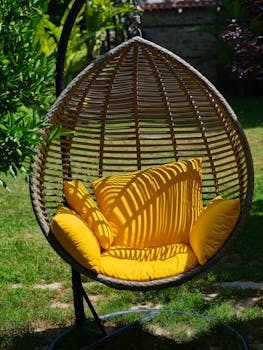
Unlock Lasting Style: How To Identify Premium Rattan Materials In Luxury Rattan Outdoor Furniture UK
British weather is relentless in ways that other climates simply aren't. Our summers bring intense UV exposure followed by damp autumns, our winters test structural integrity with freeze-thaw cycles, and our unpredictable rain means your furniture sits wet for days at a time. A Luxury Rattan Outdoor Furniture UK piece that can handle Mediterranean sunshine might crumble under these conditions, which is why understanding what separates genuine quality from clever marketing is absolutely essential.
Why UK Homeowners Need to Know the Difference
You're not just buying a chair or a sofa—you're making a decision that affects how you use your garden for years to come. When outdoor furniture fails prematurely, it's not simply inconvenient; it creates a domino effect. You stop using your garden because the seating is uncomfortable or unsafe, your outdoor space becomes neglected, and suddenly that £2,000 investment feels like a regrettable mistake.
Quality rattan furniture performs a specific job in the British climate, and cheap imitations simply can't do it. Real luxury pieces are engineered to flex slightly in wind rather than snap, to resist UV degradation rather than bleach, and to maintain their structure even when exposed to moisture. These aren't premium features—they're basic requirements for anything that lives outside in the UK.
The financial argument is straightforward. A premium rattan set costs roughly 40-60% more upfront than a budget alternative, but it lasts three to five times longer. That's not extravagance; that's basic mathematics. Over a decade, you're actually spending less per year on quality furniture than you would replacing cheap pieces every couple of seasons.
What We'll Uncover Together
Throughout this guide, we're going to pull back the curtain on what separates genuine luxury rattan from the imitations that look convincing in photos but fail in reality. You'll learn to spot the material differences that matter—the specific types of rattan, the construction methods that ensure longevity, and the finishing techniques that protect against our unpredictable weather.
We'll examine the hidden details that reveal true craftsmanship: the way joints are reinforced, how the frame is constructed, and why certain brands command premium prices whilst others collapse after one winter. Most importantly, you'll understand exactly what to look for when you're standing in a showroom or scrolling through an online retailer, so you can make a decision with confidence rather than hope.
The difference between a rattan piece that becomes a beloved garden staple and one that becomes an eyesore comes down to knowledge. Let's make sure you have it.
Unlock Lasting Style: How to Identify Premium Rattan Materials in Luxury Rattan Outdoor Furniture UK
The moment you run your hand across a rattan piece, you're already gathering crucial information about whether it'll survive your first British winter or crumble by spring. Materials are everything when it comes to outdoor furniture—they're the difference between a sofa that feels solid and one that flexes alarmingly when you sit down, between colours that stay vibrant and ones that fade to ghostly grey within months.
What you're really buying when you choose quality rattan is resilience against our specific climate challenges: intense summer UV, relentless autumn rain, and the freeze-thaw cycles that crack inferior materials. The good news is that once you understand what to look for, spotting premium materials becomes straightforward.
Synthetic Rattan: PE (Polyethylene) vs. PVC and UV Resistance
Not all synthetic rattan is created equal, and this is where many UK homeowners get caught out. High-density polyethylene (HDPE or PE) is the gold standard for outdoor rattan because it flexes without cracking, resists UV degradation, and maintains its colour far longer than cheaper alternatives. PVC, by contrast, becomes brittle in sunlight, discolours rapidly, and can actually crack in cold weather—precisely what happens during our winters.
Think of it this way: PE is like a quality rubber band that stretches and returns to shape, whilst PVC is like old plastic wrap that snaps if you bend it too far. When you're examining rattan furniture, always ask the retailer or check the product specifications for explicit mention of PE or HDPE, never just generic "synthetic rattan." If they can't tell you the material type, that's a red flag.
UV resistance is where the real test happens. Quality PE rattan should come with either a UV resistance rating (look for anything stating "UV-stabilised" or "UV 50+") or a colourfastness guarantee—ideally one that covers fading for at least 3-5 years. A premium brand like Rattan Direct or Maze Rattan will openly state their UV protection; budget retailers often stay suspiciously silent on this point because their materials simply don't have it.
Here's a practical check: ask for a colour swatch and leave it in direct sunlight on your windowsill for two weeks. Compare it to the original—genuine UV-stabilised PE will show minimal change, whilst cheap PVC will noticeably fade. It sounds simple, but it's one of the most reliable tests you can do before committing £1,500 or more to a set.
The Art of the Weave: Tightness, Consistency, and Hidden Joints
Run your fingers across the weave and you're reading the story of how carefully that piece was made. Premium rattan has uniform tension throughout—the gaps between strands are consistent, the pattern is symmetrical, and there are no loose ends or fraying sections waiting to unravel. Cheap imitations often have visibly loose weaving, uneven tension where some sections are tight and others are slack, and strands that already look like they're coming apart.
The joints are where craftsmanship truly reveals itself. Quality pieces have seamlessly finished joints where the rattan ends are hidden, secured with reinforced stitching or internal brackets—you shouldn't see visible staples, rough cut ends, or rattan strands that look hastily glued down. If you can spot the construction methods just by looking at the piece, it's not luxury furniture.
Pay attention to the strand profile as well. Full-round or half-round rattan strands are significantly more durable than flat strands because they distribute stress more evenly and resist splitting. A chair made with full-round PE strands will feel more substantial in your hand and will genuinely last longer—the structural difference is measurable, not just aesthetic.
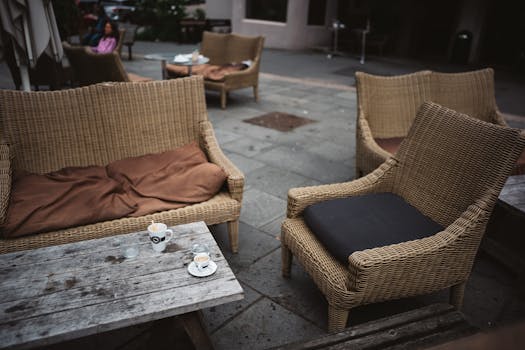
When you're comparing two pieces side by side, the weave quality becomes immediately obvious. One will feel like it's been carefully constructed by someone who cares about the result; the other will feel rushed and slightly flimsy. That feeling is your instinct recognising real craftsmanship, and it's worth trusting.
Built to Endure: Assessing Frame Integrity and Cushion Comfort for Luxury Rattan Outdoor Furniture
A beautiful rattan weave means nothing if the frame underneath is crumbling with rust or wobbling dangerously when you sit down. The internal skeleton of your furniture is where durability truly lives, and it's also where budget manufacturers cut corners most aggressively because no one sees it until something goes wrong.
What separates furniture that lasts a decade from pieces that fail in two years often comes down to decisions made during construction—the type of metal chosen for the frame, how thoroughly it's protected from corrosion, and whether joints are properly engineered or simply bolted together and hoped for the best.
Robust Frames: Aluminium vs. Steel and Rust Prevention
Powder-coated aluminium is the gold standard for UK outdoor furniture frames, and there's a simple reason why: aluminium doesn't rust, it's lightweight enough to move around your garden without assistance, and it maintains its strength for decades even in our damp climate. Steel frames, by contrast, will corrode unless treated with industrial-grade coatings, and even then they're a gamble in British weather.
Here's what happens with untreated or poorly coated steel in practice: within one wet autumn, rust begins forming at the welds and connection points. By spring, you've got orange staining bleeding onto your patio, and the structural integrity has already started compromising. A £2,000 sofa with a steel frame becomes a liability rather than an asset.
When you're examining a piece, ask specifically about the frame material and coating. Quality brands like Bramblecrest or Stern will proudly tell you their frames are powder-coated aluminium with a thickness rating (look for anything 1.5mm or above). If a retailer is vague about frame materials or describes them simply as "treated steel," walk away.
Inspect the weld points closely—these are the joints where different frame sections are fused together. Premium furniture has smooth, consistent welds that look professionally finished, with no visible gaps, rough edges, or areas where the metal looks hastily joined. Run your finger along the welds; they should feel flush and uniform, not bumpy or uneven.
Superior Cushions: Fabric, Filling, and UK Fire Safety Standards
Cushions are where comfort meets durability, and cheap versions fail spectacularly on both fronts. Budget cushions use thin, low-density foam that compresses within weeks, leaving you sitting on what feels like cardboard, and they're often wrapped in fabrics that absorb water like a sponge and fade at the first hint of summer sun.
Outdoor-grade fabrics like solution-dyed acrylic or spun polyester are your best bet for UK gardens. These materials are specifically engineered to resist fading, repel water, and prevent mould growth—all critical in our climate. A quality cushion cover should feel substantial in your hand, not thin and flimsy, and the stitching should be tight and even throughout.
<strong>Luxury Rattan Outdoor Furniture UK</strong>


The filling inside matters just as much as what's on the outside. High-density foam (typically 25kg/m³ or above) retains its shape season after season, whilst cheap alternatives compress and sag within a year. Some premium brands use quick-dry foam, which is a game-changer for UK weather—it sheds water rapidly so your cushions don't become waterlogged after rain.
Here's the non-negotiable bit: all cushions sold in the UK must meet BS 5852 fire safety regulations, and any reputable retailer will confirm this certification. It's not optional, it's not a premium feature—it's a legal requirement. If a seller can't provide documentation that their cushions meet BS 5852, don't buy them. Period.
Check the care instructions as well. Quality cushions can be cleaned with mild soap and water, and they should dry completely within 24 hours in decent weather. If the instructions suggest dry-cleaning or warn against getting them wet, you're looking at a product designed for covered patios, not genuine outdoor use.
" } ```
Spotting the Difference: Essential Finishing Touches and Trustworthy Suppliers
The difference between furniture that feels premium and furniture that feels cheap often comes down to details so small they're easy to overlook—until they fail. Hardware that rusts, feet that scratch your patio, glass that wobbles in the wind: these are the moments when you realise you've bought from the wrong supplier.
Quality rattan furniture is built by people who've thought through every interaction you'll have with it, from the moment you sit down to the day you need a replacement part five years later. Budget alternatives are assembled by people thinking only about cost.
Hardware, Feet, and Glass: The Unsung Heroes of Durability
Flip a luxury rattan chair over and you'll find stainless steel bolts, screws, and fittings throughout—the kind that won't rust or corrode no matter how many wet British winters they endure. Cheap furniture uses zinc-plated or mild steel hardware that oxidises within months, leaving rust stains on your patio and joints that gradually weaken as corrosion spreads.
Check every visible fastening point. If you see any discolouration, pitting, or rough texture on bolts and screws, that's a sign the manufacturer has cut corners on materials that cost pennies but matter enormously for longevity.
Feet and glides are equally important and often completely ignored by budget buyers. Quality furniture sits on adjustable feet or protective rubber glides that serve three purposes: they prevent your patio from being scratched when you move the piece, they allow you to level the furniture on uneven garden surfaces, and they keep the frame elevated so moisture doesn't sit directly against your patio or decking.

A sofa with no protective feet will gradually absorb moisture from below, rotting the frame and creating an unstable base—exactly what happens to cheap garden furniture within two seasons. Premium brands like Rattan Direct include adjustable feet as standard; budget retailers often leave you with bare metal legs touching wet ground.
If your furniture includes a glass table top, insist on tempered safety glass—this is a UK standard for good reason. Tempered glass is heat-treated to be four times stronger than ordinary glass and shatters into small, harmless granules rather than sharp shards if it breaks. Check that the glass is securely fitted with embedded fixtures or industrial-strength suction cups, not simply resting on the frame.
Warranty, Reviews, and Aftercare: Choosing a Reputable UK Supplier
A comprehensive warranty is your insurance policy, and it tells you something crucial: the manufacturer genuinely believes their product will last. Look for warranties covering at least 2-5 years and specifically mentioning frame integrity and rattan degradation—not just manufacturing defects. A five-year warranty on a rattan sofa signals confidence; a one-year warranty suggests the maker expects problems.
Read independent UK customer reviews, but read them strategically. Ignore the five-star reviews from people who've owned the furniture for three months—anyone can make something look good when it's brand new. Focus instead on reviews from people who've lived with the furniture for two years or longer, and pay attention to comments about how the piece has aged, whether customer service was responsive when issues arose, and whether replacement parts were easy to source.
A review mentioning "still looks pristine after three years" or "customer service replaced a damaged cushion within a week" tells you far more than generic praise. Conversely, if you see patterns like "started falling apart after one winter" or "impossible to get replacement parts," that's your answer.
Before you buy, ask the retailer about aftercare services and replacement parts availability. Can you buy replacement cushions in five years? Are spare rattan panels available if one gets damaged? Will they offer cleaning or repair services? Reputable UK suppliers like Maze Rattan or Bramblecrest maintain parts inventories and offer aftercare because they expect their customers to keep their furniture for a decade or more.
Check their return policy as well. A 30-day returns window is standard; anything less suggests they're not confident you'll be happy with your purchase. A 60-day or even 100-day window shows a supplier willing to stand behind their product.
" } ```
Making Your Decision: The Investment That Pays for Itself
You're standing at a crossroads now—armed with knowledge about what separates genuine luxury rattan from the imitations that clutter garden centres and online marketplaces. The choice you make in the next few weeks will determine whether your garden becomes a cherished outdoor room or another space filled with deteriorating furniture you've learned to ignore.
The truth is straightforward: quality rattan furniture costs more upfront, but it costs significantly less over time. A £3,000 premium set lasting 12 years works out to £250 annually, whilst a £1,800 budget alternative lasting two years costs £900 per year. That's not just mathematics—it's the difference between a wise investment and money wasted.
Your Essential Quality Checklist
Before you commit to any purchase, you need to verify four non-negotiable elements. First, confirm the rattan is PE (polyethylene) with explicit UV-stabilisation—ask the retailer directly and request documentation if they hesitate. Second, inspect the weave in person: it should feel uniformly tight, with no loose strands, visible staples, or rough joints.
Third, run your hand along the frame and check that it's powder-coated aluminium with smooth, consistent welds at every joint. If you see rust staining, rough welds, or gaps between metal sections, walk away immediately—these are signs of poor manufacturing that will only worsen. Fourth, squeeze the cushions and confirm they're high-density foam (not thin, compressible padding) wrapped in solution-dyed acrylic or spun polyester fabric.
All hardware—bolts, screws, fittings—must be stainless steel, never zinc-plated or mild steel. The furniture should sit on adjustable feet or protective glides, and any glass should be tempered safety glass securely fitted to the frame. These details seem minor until you're dealing with rust-stained patios or wobbly table tops in year two.
The Supplier Question: Where Trust Matters Most
Your retailer is just as important as the furniture itself. A reputable UK supplier stands behind their product with a warranty covering at least 2-5 years specifically for frame integrity and rattan degradation—not just manufacturing defects. Brands like Maze Rattan, Bramblecrest, and Rattan Direct consistently offer this level of protection because they expect their pieces to perform for a decade or more.
Read reviews from customers who've owned the furniture for at least two years, focusing on comments about how the pieces have aged and how responsive the supplier was to problems. A review mentioning "still looks perfect after three years" or "brilliant customer service when I needed a replacement cushion" tells you far more than generic praise.
Before you buy, confirm that replacement parts are available and affordable. Can you purchase new cushions in five years? Are rattan panels obtainable if one gets damaged? Will the supplier offer cleaning or repair services? These questions reveal whether you're buying from someone invested in your long-term satisfaction or simply making a quick sale.
Your Next Step: Visit and Verify
Don't buy rattan furniture online without seeing it in person first. Visit a showroom, sit on the pieces, run your hands across the weave, and ask detailed questions about every material and construction method. A quality retailer welcomes these questions; a budget seller will seem evasive or dismissive.
Take photos of the weave, frame joints, and hardware so you can compare pieces side by side. Ask for written specifications confirming the PE type, foam density, fabric composition, and warranty details. Request a colour swatch and test it for UV resistance as suggested earlier—this simple two-week test eliminates guesswork.
You're not just buying garden furniture; you're deciding how you'll spend your summers for the next decade. Choose quality, choose carefully, and choose from suppliers who genuinely want you to be delighted with your purchase for years to come. Your garden—and your wallet—will thank you.
" } ```