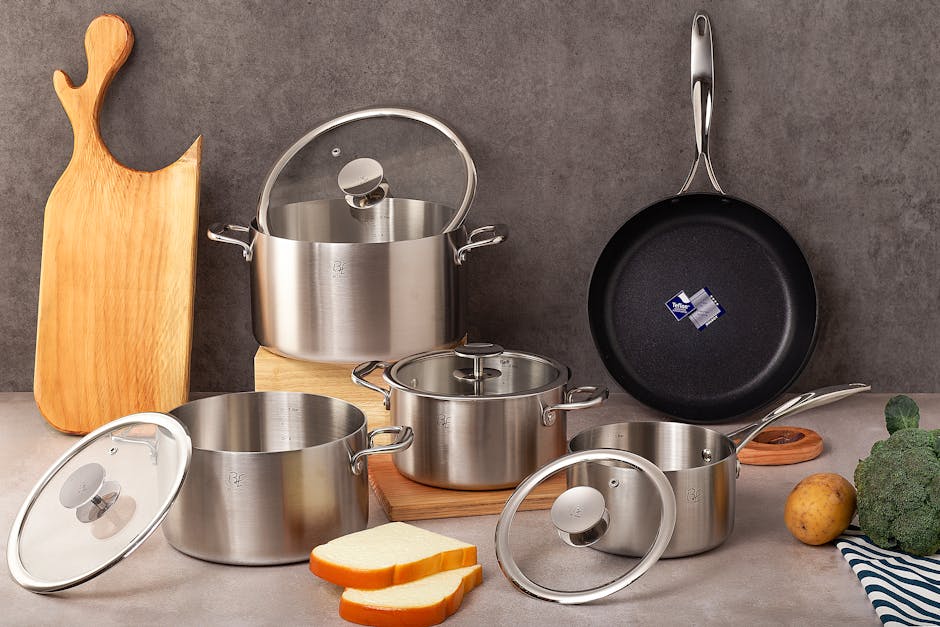
Top pick in high-quality cookware

Tefal Comfort Max 5-Piece Stainless Steel Pots & Pan Set: Durable Cookware for Healthy Cooking, Induction Compatible, with Stay-Cool Ergonomic Handles. C972S544
✓ Highly rated · ✓ Fast delivery available
Best High-quality cookware


By the end, you'll understand exactly which price tier matches your cooking habits, kitchen style, and budget — and you'll know whether right now is the moment to buy or whether you should wait for October's seasonal dip.
What to Look for in High-quality Cookware
Material composition matters more than brand name. Stainless steel, cast iron, aluminium, and copper all conduct heat differently and suit different cooking styles. Stainless steel is forgiving and dishwasher-safe; cast iron builds seasoning over decades but demands care; aluminium heats fast but scratches easily; copper offers precision but requires maintenance. Your choice depends on whether you're making weeknight pasta or slow-braised Sunday roasts.
Weight and balance affect how the pan feels in your hand during actual cooking. A 28cm frying pan that weighs 800g will tire your wrist differently than one that weighs 1.2kg. If you're cooking for one or two, lighter matters. If you're feeding a family of four, heft often means better heat retention and stability on the hob.
Lid quality is where budget High-quality cookware reveals itself. A poorly fitting lid lets steam escape, extending cooking time by 20-30%. Glass lids scratch and cloud; stainless steel lids last longer but you can't see inside. Check the hinge mechanism — it should feel solid, not flimsy.

Handle design determines whether cooking feels effortless or exhausting. Silicone handles stay cool but can degrade over time; stainless steel handles conduct heat and need oven gloves; riveted handles are stronger than welded ones. Your kitchen's style — whether it's minimalist, traditional, or japandi — should guide this choice too.
Induction compatibility is essential if you own an induction hob. Not all cookware works on induction; the base must contain ferromagnetic material. Check the product details before buying, especially with budget ranges where corners are cut.
How Much Should You Spend on High-quality Cookware in the UK?
Budget tier (under £80): You'll find functional cookware that handles everyday cooking without drama. Non-stick surfaces, basic stainless steel, and lightweight aluminium dominate this range. The trade-off? Non-stick coatings wear faster (typically 2-3 years with regular use), heat distribution is less even, and handles may feel less substantial. For a student kitchen or a second home, this tier makes sense. For daily family cooking, you'll feel the limitations within a year.
Mid-range (around £152.95, our current average): This is where quality jumps noticeably. You're buying cookware that balances durability with everyday practicality. Multi-ply bases distribute heat evenly; handles feel secure and comfortable; lids fit properly; non-stick coatings last 5+ years. Most UK home cooks find their sweet spot here because the cost-per-use over a decade is genuinely reasonable. You're not paying for a designer name; you're paying for engineering that works.
Premium (above £152.95): At this level, you're investing in heritage brands, heirloom-quality cast iron, or specialist cookware designed for specific techniques. A £250 copper-bottomed saucepan heats water fractionally faster than a £80 version, but the real benefit is psychological — you'll use it more carefully and enjoy cooking more. Premium makes sense if you cook daily, entertain regularly, or simply want cookware that outlasts your kitchen renovation.
Our tracker shows 30 products currently on deal and 42 at their 90-day low price right now — meaning this is a genuinely strong buying window across all three tiers.

Top Brands for High-quality Cookware in the UK
Prima dominates our tracker as a top-tracked brand, offering reliable mid-range cookware that appeals to practical home cooks. Prices typically cluster around the £80-£180 mark, with solid heat distribution and thoughtful design. They're the brand you buy when you want something that works without fuss or pretension.
Tower sits alongside Prima as a market leader, known for stylish, affordable cookware that suits contemporary UK kitchens. Their pieces often feature modern aesthetics — clean lines, neutral colours, minimalist handles — without the premium price tag. Tower cookware typically ranges from £50-£200, depending on the collection and material.
Both brands are widely stocked across UK retailers, which means you'll find competitive pricing and regular promotions. Neither brand cuts corners on safety or basic durability, which is why they appear so frequently in our price tracker data.
Is Now a Good Time to Buy High-quality Cookware?
Yes — if you're ready to buy. Right now, 42 products in our tracker are sitting at their lowest price in 90 days, and 30 have active deals running. That's a strong signal that retailers are competing hard on price, which means your money stretches further.
If you're not in a rush, October historically offers the cheapest prices across high-quality cookware in the UK. Plan ahead, set a free price-drop alert on your shortlist, and you could save another 10-15% by waiting four months. But if your current cookware is failing or you cook daily and feel the limitation, buying now makes financial sense.
The average price across our tracked products is £152.95, and the range spans £13.58 to £410.00 — so there's genuine choice at every budget level right now.
Browse all high-quality cookware with live price tracking and set a free price-drop alert — we'll notify you the moment your shortlisted product hits its lowest recorded price →