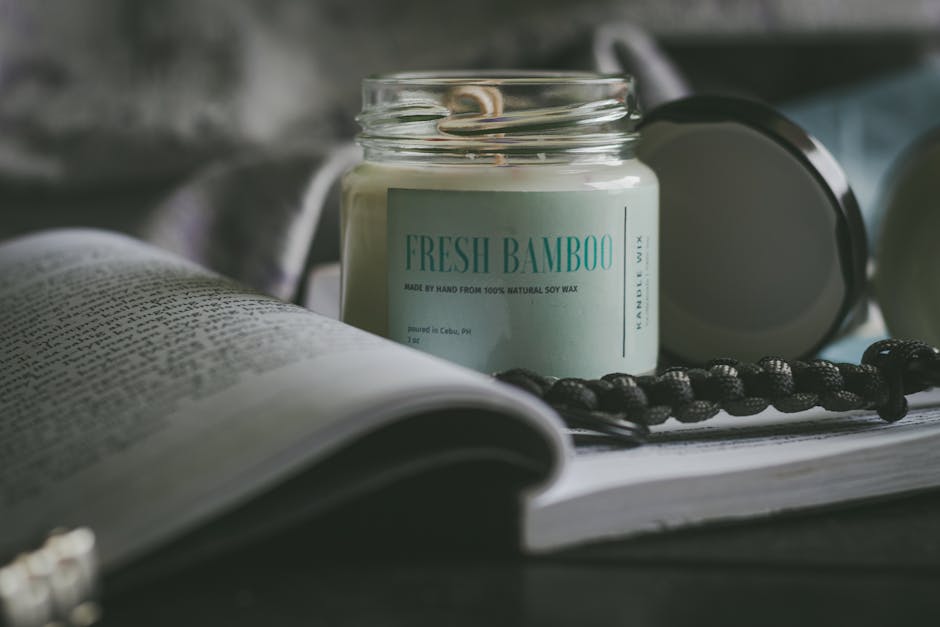
Top pick in candles & home scents

YMing Scented Candles Gift Set, Soy Wax 5.65 oz Tin Candles Gifts for Women Host with Strongly Fragrance, Birthday Gifts for Her
✓ Highly rated · ✓ Fast delivery available
Best candles & home scents


This guide cuts through the noise by showing you what realistic quality looks like at different price points, which brands genuinely deliver, and whether right now is the moment to buy or wait for better deals. We've tracked every price movement for 90 days, so you're getting real market data, not marketing hype.
What to Look for in Candles and Home Scents
Wax composition matters more than most people think. Paraffin is cheap and holds colour well but burns faster and releases more soot. Soy and coconut waxes burn slower, cleaner, and suit homes where air quality matters — especially if anyone has respiratory sensitivity. Blended waxes (often paraffin with 10–20% soy) strike a middle ground: better burn quality than pure paraffin, lower cost than 100% natural wax.
Fragrance throw and longevity are where budget candles & home scents disappoint. A £6 candle might smell lovely for the first hour but fade quickly; a £35 candle with higher fragrance load and quality wax will scent a 4m × 5m bedroom consistently for 4–6 hours. Check the weight listed on product pages — heavier candles usually mean more wax and fragrance, translating to longer burn time and better value per hour of use.
Vessel design and finish affect how a candle sits in your space. If your bedroom is Scandi minimalist, a chunky ornamental jar looks out of place; if your lounge is maximalist eclectic, a plain white pillar candle feels underused. UK interiors favour clean lines and neutral tones, so glass containers in clear, frosted, or soft grey work across most homes. Coloured vessels are trickier — they date faster and limit reuse once the candle burns down.

Wick quality determines burn consistency and safety. Multi-ply cotton wicks (usually 2–3 strands twisted together) burn more evenly than single-ply and reduce tunnelling, where wax only burns around the edges. Wooden wicks create ambiance and crackle, but they're pricier and need careful trimming to prevent excessive smoking.
Scent profile should match your candles & home scents's existing fragrance narrative. If you're already using a vanilla room spray in your kitchen, layering another vanilla candle upstairs creates olfactory chaos. Pick complementary scents — citrus in the kitchen, floral or woody in bedrooms, fresh herbal in bathrooms — so each room has its own subtle identity.
How Much Should You Spend on Candles and Home Scents in the UK?
Our price tracker shows an average of £34.00 across all tracked products, but that average hides three distinct quality tiers with very different trade-offs.
Budget tier (under £20): This is where you'll find most supermarket candles, own-brand options from Argos and Dunelm, and mass-market brands. At this price, expect paraffin or paraffin-heavy wax blends, synthetic fragrances, and burn times of 20–30 hours maximum. You're making compromises on scent throw and longevity, but if you're testing a new fragrance or want something purely functional, this tier works. Right now, 816 products in our tracker have active deals, many in this price band.
Mid-range (around £34.00): This is where quality noticeably improves. You'll get better wax blends (soy or coconut-dominant), higher fragrance concentrations, and burn times of 40–60 hours. Brands at this level invest in vessel design and packaging, so the candle feels like a proper purchase rather than a consumable. If you're buying for yourself or a gift that matters, this tier offers the best value-to-quality ratio. Most customers find they're happiest here.
Premium (above £34.00): You're paying for heritage brands, luxury wax blends, hand-poured production, or artisanal fragrance compounds. These candles burn for 80+ hours and scent a room with remarkable subtlety. Premium makes sense if you're a serious candle user, have a specific aesthetic that demands it, or want a long-lasting investment piece. For occasional use or gifting, premium often feels like overspending.
Right now is genuinely a strong time to buy — 1,096 products are currently at their 90-day low price, and July historically offers the cheapest prices of the year. If you're flexible on timing, waiting until summer could save you 15–25% across mid-range and premium options.

Top Brands for Candles and Home Scents in the UK
Yankee Candle dominates the mid-market. They're stocked in Boots, Debenhams, and independent homeware shops across the UK, typically priced £15–£28 per candle. Their appeal is consistency — you know roughly what you're getting, scents are reliable, and burn times are honest. They suit homes where reliability matters more than cutting-edge design; families buying regularly rather than occasional gifters.
BOLSIUS is the budget-to-mid-range workhorse. Dutch-owned and widely available in UK supermarkets and discount retailers, BOLSIUS candles punch above their price point at £8–£18. They're practical rather than aspirational — solid burn quality, decent scent throw, no pretence. If you want reliable everyday candles without fussing over aesthetics, BOLSIUS delivers.
Both brands appear frequently in our tracker's deal inventory, which means you'll often find them discounted during seasonal sales and supermarket promotions. Neither brand competes at the premium luxury end, so if you're after something that feels special, you'll need to look elsewhere.
Is Now a Good Time to Buy Candles and Home Scents?
Yes — buy now if you've shortlisted specific products. Our tracker shows 1,096 products are currently at their 90-day low price, meaning if you've found something you like, this is genuinely the moment. Don't wait hoping for a better deal next week; the data suggests you won't find one.
816 products have active deals running right now, so there's real choice across price tiers. If you're undecided, set a price-drop alert on your shortlist — we'll notify you the moment prices shift, which takes the guesswork out of timing.
July is historically the cheapest month for candles and home scents across the UK market, so if you're planning ahead and can wait four months, you might save 15–25%. For immediate needs or gifts, though, current pricing is competitive enough that waiting doesn't make financial sense.
Browse all candles and home scents with live price tracking and set a free price-drop alert — we'll notify you the moment your shortlisted product hits its lowest recorded price.