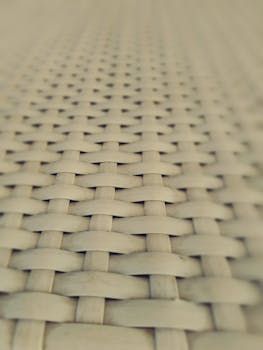
The difference between a flat weave and a half-round one isn't just aesthetic—it's structural. A flat-woven piece might look sleek and contemporary, but it collects water differently than a rounded weave, which sheds moisture more efficiently. Choose poorly, and you're investing £2,000 to £5,000 in a garden set that looks tired within three years.
Understanding Weave Types Is Your First Design Decision
When you're browsing Luxury Rattan Outdoor Furniture UK garden furniture at John Lewis, Dunelm, or specialist retailers like Maze Rattan or Barlow Tyrie, you'll notice the weave texture immediately—even if you don't know what to call it. That texture isn't just for show; it determines how light plays across your furniture, how water drains, and how the piece ages in your specific garden conditions.
Think of weave selection like choosing paint finishes for interior walls. A matte finish hides imperfections; a gloss amplifies every speck of dust. Similarly, a tightly woven synthetic rattan in a round profile catches light differently than a loosely spaced flat weave, creating entirely different moods in your garden. One might feel cosy and intimate; the other, airy and contemporary.
The stakes are higher outdoors because you can't simply repaint or re-upholster when trends shift or weather takes its toll. Your investment needs to work aesthetically for years while resisting the British climate's relentless moisture and occasional harsh sun.
Why This Matters for Your Luxury Garden Investment
If you're spending £3,000 or more on a rattan garden set—which is typical for quality pieces from premium brands—you deserve to understand exactly what you're buying. The weave type influences not only the initial visual impact but also maintenance requirements, colour retention, and how well the furniture integrates with your garden's overall design language.
Imagine hosting a summer dinner party on a terrace furnished with poorly chosen rattan. Water pools in the crevices after rain, the colour has faded unevenly, and the texture looks tired rather than luxurious. Now picture the alternative: furniture with the right weave that sheds water effortlessly, maintains its rich colour, and photographs beautifully in natural light. That's the difference knowledge makes.
Throughout this guide, we'll break down each weave type—flat, half-round, and round—showing you exactly how they perform in UK gardens, which design styles they complement, and how to spot quality craftsmanship that justifies the premium price tag. By the end, you'll choose with confidence, knowing your garden furniture will look stunning and stand the test of time.
Discover the Sleek Sophistication of Flat Weave Rattan for Modern UK Gardens
Flat weave synthetic rattan is the minimalist's dream—clean, geometric, and refreshingly affordable compared to its textured cousins. If you're drawn to contemporary garden design with sharp lines and uncluttered spaces, this weave type might be exactly what you need.
Understanding Flat Weave: A Contemporary Choice
Flat weave rattan uses thin, ribbon-like strands woven tightly together to create a smooth, uniform surface that feels almost fabric-like to the touch. The result is a sleek finish that catches light evenly, with no shadows or texture variations interrupting the visual flow.
Visually, this creates a distinctly modern aesthetic—think clean lines, geometric precision, and an almost architectural quality. A flat-woven corner sofa in charcoal grey paired with a brushed aluminium frame looks far more contemporary than a chunky round-weave piece ever could. This style works brilliantly on urban balconies, modern patios, or gardens where you want the furniture to feel like a sculptural design element rather than a cosy retreat.
The affordability factor is significant too. Flat weave typically costs 20–30% less than half-round or full-round alternatives, which means you can invest in a larger set or allocate budget elsewhere—perhaps towards quality garden lighting or premium outdoor cushions. A three-piece flat-weave set from a mid-range retailer might run £1,200–£1,800, whereas comparable half-round pieces often start at £1,600–£2,400.
Design Impact and Practical Considerations for Flat Weave
Flat weave thrives in minimalist, contemporary, and architectural garden schemes, particularly when paired with metal frames in brushed stainless steel or powder-coated black. The combination creates visual tension—soft rattan against hard metal—that feels intentional and designed rather than accidental.
Cleaning is genuinely easier with flat weave because water and debris don't settle into deep crevices the way they do with rounded textures. A quick rinse with a garden hose removes most dirt, and you can occasionally use a soft brush with mild soapy water without worrying about damaging intricate weave patterns. However, you must prioritise UV-stabilised material; cheaper flat weave can become brittle and crack under prolonged British sun exposure, particularly if it's not treated with proper UV inhibitors during manufacturing.
Here's where many people stumble: low-quality flat weave can sag noticeably within 18 months, especially in larger pieces like loungers or daybeds. The thin strands lack structural integrity, and the weave tension gradually loosens. When you're evaluating a flat-weave piece, run your hand across the surface—it should feel taut and firm, not slightly springy or loose. Check the weave density by looking at the underside; you should barely see daylight through the strands if the quality is genuinely premium.
The material thickness matters enormously. Reputable brands like Barlow Tyrie and Maze Rattan use synthetic rattan with strand diameters of 3–4mm for flat weave, which provides durability without sacrificing the sleek aesthetic. Budget retailers sometimes use thinner strands (2mm or less), which might look identical initially but deteriorate far more quickly in damp UK climates.
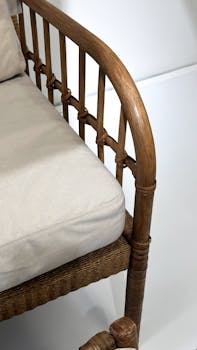
If you live in a particularly exposed garden—coastal areas with salt spray or gardens that stay damp through winter—flat weave requires slightly more attention than textured alternatives. The smooth surface sheds water efficiently, but moisture can linger in the frame joints and underneath cushions. Ensure your set includes a protective cover, and consider storing pieces in a garden room or shed during the wettest months if possible.
Flat weave excels when you want your garden to feel like an extension of a contemporary interior scheme, but it demands quality investment and honest assessment of your climate and maintenance commitment. Choose well, and you'll have a stunning, low-maintenance outdoor space that photographs beautifully year after year.
Achieve Classic Elegance with Half-Round Rattan for Enduring UK Outdoor Style
Half-round weave is the goldilocks choice—not too minimal, not too textured, just right for most UK gardens. It's where practical durability meets that inviting, lived-in elegance that makes people actually want to sit outside.
The Balanced Appeal of Half-Round Weave
Half-round rattan has a flat underside that anchors onto the frame, then curves outward to create a rounded exterior profile. This design gives you the best of both worlds: structural integrity from the flat base and visual warmth from the curved surface.
The texture feels substantial without being chunky. When you run your hand across a half-round piece, you get genuine tactile interest—shadows play across the rounded strands, creating depth that photographs beautifully in natural light. It mimics natural rattan far more convincingly than flat weave, yet it's engineered to withstand British weather far better than the real thing ever could.
Pricing sits comfortably in the middle ground. You're looking at roughly £1,600–£2,800 for a quality three-piece half-round set, compared to £1,200–£1,800 for flat weave or £2,200–£4,000 for full round. That extra investment over flat weave typically yields noticeably better longevity and a more premium aesthetic without the expense of full-round luxury.
Matching Half-Round Weave to Your Garden Aesthetic
Half-round excels in traditional, transitional, and cottage garden designs where comfort matters as much as style. Pair it with natural stone paving, terracotta pots, and soft garden lighting, and your space instantly feels inviting rather than austere.
The rounded surface feels genuinely luxurious to touch—softer and more forgiving than flat weave—which matters when you're sitting in the same spot for hours with a book or entertaining friends. Unlike full round weave (which we'll explore next), half-round doesn't trap water or debris as readily because the flat base prevents pooling underneath. A half-round lounger in taupe with natural linen cushions creates that effortlessly elegant Mediterranean-garden vibe that works brilliantly in suburban UK settings.
<strong>Luxury Rattan <strong>Outdoor Furniture</strong> UK</strong>


Durability is notably superior to flat weave. The rounded profile distributes stress more evenly across the strands, meaning the weave maintains its tension longer and resists sagging even in larger pieces. Families with children and pets benefit enormously here—half-round is far less prone to snags from rough play or claws than flat weave, yet it still looks refined enough for formal entertaining.
Maintenance sits at a sweet spot too. You get the textured, natural appearance without the intensive cleaning demands of full round weave. A gentle rinse with the hose removes most dirt, and occasional soft-brush cleaning keeps it looking fresh without requiring specialist products or techniques. The rounded strands shed water naturally, so moisture doesn't linger the way it can with tightly woven flat pieces.
One practical advantage many people overlook: half-round weave is more forgiving if your garden stays damp through winter. The curved profile allows air circulation underneath and around the strands, reducing the risk of mildew or algae growth that can occasionally plague flat weave in shaded, moisture-prone spots. If your garden is north-facing or surrounded by trees, this becomes genuinely valuable.
The colour retention is excellent too. Quality half-round synthetic rattan from brands like Rattan Direct or Garden Trading resists fading better than budget flat weave, maintaining rich charcoal, natural grey, or warm honey tones through multiple seasons without the uneven bleaching that can occur with cheaper alternatives.
Half-round represents the sweet spot for most UK homeowners—it delivers genuine luxury without demanding perfection in maintenance, suits diverse garden styles, and genuinely improves with age as the weave softens slightly and develops character. It's the choice that rarely disappoints.
Elevate Your Space with Luxurious Round Weave: The Ultimate in Luxury Rattan Outdoor Furniture UK
Full round weave is where synthetic rattan reaches its pinnacle—dense, substantial, and utterly luxurious. If you want your garden to feel like a five-star resort rather than a weekend project, this is the weave that delivers.
The Premium Look and Feel of Full Round Weave
Full round weave uses solid, cylindrical strands that are individually woven together, creating a texture so rich and tactile it genuinely rivals natural rattan. Every strand is rounded on all sides, which means light dances across the surface in countless directions, creating depth and visual interest that flat or half-round simply cannot match.
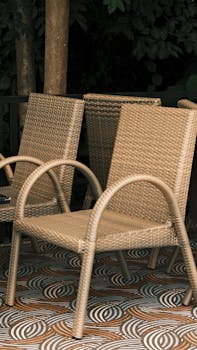
Run your fingers across a quality full round piece and you're touching something that feels genuinely luxurious—substantial, warm, and inviting. The density of material creates an opulent appearance that photographs beautifully in both natural daylight and evening garden lighting, making it the preferred choice for show gardens and high-end garden design magazines.
The investment reflects the craftsmanship involved. A full round three-piece set typically costs £2,800–£5,000 or more, depending on brand and size, compared to £1,200–£1,800 for flat weave. That premium price exists because full round uses significantly more synthetic rattan material—sometimes 40–50% more by volume—and the weaving process demands greater precision and labour.
Investing in Round Weave for Unrivalled Garden Grandeur
Full round excels when you're creating a statement piece in a grand patio or expansive garden where the furniture itself becomes a focal point rather than just functional seating. Imagine a sprawling L-shaped sectional in natural grey full round rattan, anchoring a 6-metre terrace overlooking mature trees—that's the scale and presence full round delivers.
Durability is genuinely exceptional. The cylindrical construction distributes weather stress evenly across every strand, meaning the weave resists sagging, deformation, and loosening far better than lighter alternatives. Even in exposed, windswept gardens—coastal properties or hilltop locations where weather is relentless—full round maintains its structural integrity season after season. A full round lounger in a blustery Cornish garden will outlast a flat weave piece in a sheltered Surrey garden by years.
The weight and stability are reassuring rather than burdensome. A full round corner sofa typically weighs 35–50kg, making it genuinely difficult to move but virtually impossible to shift in strong winds. That solidity creates a psychological comfort—you're not perching on delicate furniture; you're settling into something engineered for permanence. This matters enormously if your garden is exposed or if you have children and pets who treat outdoor furniture like climbing frames.
Moisture resistance is superior too. The dense weave and substantial strands shed water efficiently, and the material's thickness means any moisture that does penetrate dries quickly rather than lingering in shallow crevices. In damp UK climates, this translates to fewer worries about mildew or algae growth that can occasionally trouble lighter weaves in shaded spots.
The only genuine trade-off is maintenance complexity. Full round's texture can trap light debris—fallen leaves, pollen, the occasional cobweb—more readily than smooth flat weave. You'll want to brush pieces occasionally with a soft garden brush and rinse them more frequently, perhaps monthly during spring and autumn when organic matter accumulates. It's not onerous, but it's more involved than simply hosing down a flat weave lounger.
Full round weave is the choice when you're ready to invest seriously in garden furniture that will become a cherished feature of your outdoor space for the next decade or more. It's not just about durability; it's about creating an environment where you genuinely want to spend time, surrounded by texture and warmth that feels authentically luxurious.
Making Your Final Choice: Weave Selection That Works for Your Garden
You've now seen how flat, half-round, and full round weaves each tell a different story about your garden's personality and your priorities as a homeowner. The truth is, there's no universally "correct" choice—only the right choice for your specific space, climate, and lifestyle.
Flat weave delivers contemporary elegance and accessibility. If your garden is modern, compact, or you're furnishing on a tighter budget, a sleek flat-woven set in charcoal grey paired with brushed metal frames creates genuine design impact without the premium price tag. You'll spend £1,200–£1,800 and get furniture that feels intentional and designed rather than safe.
Half-round weave is where most UK homeowners find their sweet spot. It looks and feels genuinely luxurious without demanding perfection in maintenance, works beautifully in traditional and transitional gardens, and typically lasts 8–10 years with basic care. If you're uncertain which direction to lean, this is the weave that rarely disappoints.
Full round weave is your statement investment. Choose this if your garden is spacious, if you're creating a focal point that will anchor your outdoor entertaining, or if you simply want furniture that will still look stunning in a decade. The weight, the texture, the sheer presence of quality full round rattan transforms a patio into a destination rather than just somewhere to sit.
The Questions That Guide Your Decision
Before you commit to any weave, ask yourself three practical questions. First, what's your garden's existing style—contemporary, traditional, cottage, minimalist, or transitional? Your weave should amplify that aesthetic, not fight against it. A flat weave set in a cottage garden surrounded by climbing roses and herbaceous borders will look out of place, whereas half-round or full round feels naturally at home there.
Second, how much maintenance are you genuinely willing to do? Flat weave requires the least attention but demands quality material to avoid brittleness. Half-round sits comfortably in the middle—occasional brushing keeps it looking fresh without specialist effort. Full round needs more frequent attention but rewards you with visual richness that deepens with age.
Third, consider your garden's microclimate honestly. North-facing gardens that stay damp through winter benefit from the air circulation that half-round and full round provide. Exposed coastal properties need the structural resilience of full round. Sheltered suburban gardens give you freedom to choose based purely on aesthetics and budget.
Your Next Steps: From Research to Reality
Reading about weaves is valuable, but nothing replaces actually touching the material and seeing how light plays across the texture in person. Visit a reputable UK showroom—John Lewis, Dunelm, or specialist retailers like Maze Rattan, Barlow Tyrie, or Rattan Direct all have physical displays where you can run your hands across samples and sit on actual pieces.
When you're at the showroom, ask specific questions. What's the strand diameter? Is the material UV-stabilised? What's the warranty period, and does it cover fading or structural issues? Quality retailers will answer these confidently; evasive responses are a red flag.
Take photos of pieces you love, then visualise them in your actual garden space. Imagine how a particular weave and colour will look against your paving, your planting, and your house exterior. The most beautiful rattan in the world won't work if it clashes with your garden's existing palette.
Your garden is where you'll spend countless hours relaxing, entertaining, and simply being present with the people and spaces you love. The weave you choose deserves that thoughtfulness. Take your time, trust your instincts, and invest in quality that will reward you for years to come.