Quick win: Opt for a drop-leaf or extendable dining table; it instantly adapts to your needs, giving you essential floor space back when not in use.
The Fundamentals: First Steps to a Smart Setup
Before selecting any furniture, a strategic approach is key to maximising your small dining room. Too many people rush into buying a table and chairs, only to find the room feels suffocating or awkward to navigate. Taking time to measure, plan, and prioritise will save you money, frustration, and the need for costly replacements.
- Measure Meticulously: Map out your room's dimensions in centimetres: length, width, and ceiling height. Note permanent fixtures like radiators, windows, doorways, and any alcoves. Consider traffic flow – how people will move through and around the space. Plan for at least 90cm of clear space around the table for comfortable seating and movement; if your room is particularly tight, even 75cm can work, though it won't feel as generous.
- Define Your Primary Purpose: Is this mainly for daily family meals, occasional entertaining, or a dual-purpose area such as dining and home office? This dictates the size and type of table and seating you'll need most often. A family of four using the space daily has different needs from someone hosting dinner parties twice a year.
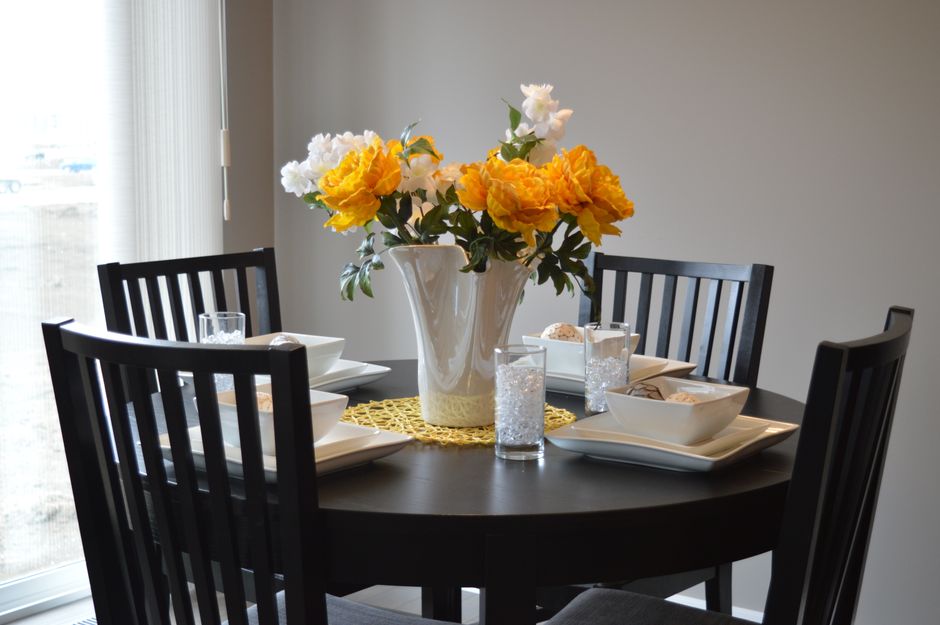
- Choose the Right Table Shape: Round or oval tables excel in small spaces as they lack sharp corners, promoting smoother traffic flow and often allowing more people to squeeze in comfortably. Square or rectangular tables work best if you're placing the table against a wall or in a corner, maximising linear space. Extendable versions are invaluable for flexibility – you can keep them compact for everyday use, then expand when guests arrive.
- Select Smart Seating Solutions: Benches or banquettes push flush against a wall, saving significant space compared to individual chairs and often offering hidden storage beneath. Armless chairs are visually lighter and tuck neatly under the table. Stackable or folding chairs are ideal for occasional use and easily stored away. Transparent chairs made from materials like acrylic minimise visual bulk while remaining practical.
- Prioritise Scale: Resist the urge to buy oversized furniture. Every piece should be proportionate to the room's dimensions. A bulky oak table with heavy chairs will overwhelm a small space, whereas a slender metal frame or glass top can feel airy and open. Look for furniture with exposed legs rather than solid bases – this allows sight lines to pass underneath, making the room feel less enclosed.
A practical example: a terraced house in Manchester with a 2.4m × 3m dining room works beautifully with a round table (1.2m diameter) and four armless chairs, leaving comfortable circulation space. The same room would feel cramped with a 1.5m rectangular table and six heavy wooden chairs.
Furniture Comparison: Budget, Mid-Range, and Premium Options

Understanding the differences between price points helps you make informed decisions aligned with your budget and lifestyle. The table below compares popular dining room furniture across three spending tiers, highlighting key features, materials, and best-use scenarios.
| Furniture Type | Budget | Mid-Range | Premium |
|---|---|---|---|
| Dining Tables (Round, 1.0–1.2m) | MDF with laminate top; metal or basic wood legs; seats 4 comfortably; lightweight and easy to move; limited durability for daily use over 5+ years | Solid wood (oak, walnut) or glass top with metal frame; seats 4–5; good durability; moderate weight; versatile styling; moderate finish quality | Solid hardwood (teak, oak) or bespoke glass designs; premium metal frames (stainless steel, brass); seats 4–6; exceptional durability; heirloom quality; superior craftsmanship and finish |
| Dining Chairs (Set of 4) | Plastic or basic fabric upholstery; simple metal or wood frames; lightweight; limited comfort for extended sitting; prone to wear within 3–4 years | Quality fabric or faux leather upholstery; solid wood frames; ergonomic design; comfortable for daily use; good durability; mid-tone finishes | Premium upholstery (leather, high-grade fabric); hardwood frames (beech, oak); bespoke designs; superior comfort; 10+ year lifespan; artisanal construction |
| Extendable/Drop-Leaf Tables | MDF construction; basic extension mechanism; seats 4–6 when extended; functional but may wobble slightly when extended; affordable flexibility | Solid wood with smooth extension slides; seats 6–8 when extended; reliable mechanism; good stability; moderate aesthetic appeal | Handcrafted solid wood with precision-engineered slides; seats 8–10 when extended; seamless extension; exceptional stability; bespoke finishes available |
| Benches (1.2–1.5m) | Basic wood or MDF frame; minimal padding; functional storage underneath; simple design; limited comfort for extended use | Solid wood with padded upholstery; integrated storage; moderate comfort; versatile styling; good durability | Premium hardwood with high-grade upholstery; bespoke storage solutions; exceptional comfort; designer finishes; heirloom quality |
| Storage Solutions (Wall Shelves, Sideboards) | Floating MDF shelves or basic wooden sideboard; limited weight capacity; functional but basic aesthetics; easy assembly | Solid wood shelves or sideboard with good weight capacity; mid-tone finishes; moderate storage; versatile design; professional assembly recommended | Handcrafted hardwood or bespoke cabinetry; premium finishes (lacquer, varnish); exceptional weight capacity; integrated lighting options; artisanal craftsmanship |
| Best For | First-time buyers, renters, tight budgets, temporary setups, or testing a layout before investing in premium pieces | Families seeking durability and style balance; those planning 5–10 year ownership; quality without luxury pricing; versatile aesthetic options | Long-term investment buyers; those valuing heirloom quality and bespoke design; premium aesthetics and exceptional comfort; collectors and design enthusiasts |
Practical Ideas: Designing for Space and Style
Once the fundamentals are in place, clever design tricks can make your small dining room feel expansive and inviting. These aren't expensive fixes – many cost very little but yield dramatic visual results.
- Embrace Light Colours: Light wall colours (off-whites, pale greys, soft pastels) reflect light, making the room feel larger and brighter. Use darker tones sparingly for accents – perhaps a single feature wall or trim. This psychological expansion is one of the most cost-effective tricks available.
- Mirror Magic: A large mirror strategically placed can double the perceived size of the room by reflecting light and views. Consider a decorative framed mirror as a focal point opposite a window to bounce natural light around. Avoid placing mirrors directly behind the table, which can feel unsettling during meals.
- Transparent Furniture: Opt for a glass dining table or chairs made from clear acrylic. Their see-through nature reduces visual clutter and allows light to pass through, creating an illusion of openness. Glass tops sit particularly well on metal frames, combining sleekness with durability.
- Vertical Storage Solutions: Utilise wall space with slim, wall-mounted shelves or a tall, narrow sideboard. This keeps floor space clear while providing essential storage for decor items, dishes, or table linens. Floating shelves are especially effective – they don't visually anchor the wall the way a heavy cabinet does.
- Multi-functional Pieces: Look for furniture that serves more than one purpose. A console table might double as a serving station during meals or a workspace for a laptop. A storage bench can hide linens, table runners, or seasonal decor. An ottoman with a removable top offers seating, storage, and a makeshift side table.
- Strategic Lighting: Layer your lighting carefully. A central pendant lamp can define the dining area and create a focal point, whilst wall sconces or a slender lamp on a sideboard add ambient light and warmth. Good lighting prevents a room from feeling enclosed – darkness makes small spaces feel claustrophobic. Dimmable bulbs allow you to adjust the mood for different occasions.
- Define with Rugs: A well-chosen rug can anchor the dining area, visually separating it from an open-plan space. Ensure it's large enough for all chair legs to remain on the rug even when pulled out, preventing snagging and maintaining visual flow. A 1.5m × 2.1m rug typically works for tables up to 1.2m diameter.
- Thoughtful Wall Decor: Instead of many small items, consider one large piece of art or a curated gallery wall. This draws the eye upwards and creates a focal point without cluttering the space. A single striking canvas or print often feels more intentional than a scattered collection of smaller frames.
- Material Mix: Combine different materials like warm wood with sleek metal, or a robust oak table with light, airy chairs. This adds texture and interest without adding visual weight. A wooden table paired with transparent acrylic chairs, for instance, balances warmth with openness. Budget options featuring MDF with glass tops offer contemporary aesthetics affordably, whilst mid-range solid wood with metal frames provide lasting durability, and premium bespoke combinations deliver uncompromising quality across various price bands and materials.
Extendable Dining Tables


The interplay of these elements creates depth and sophistication. A small dining room with pale walls, a glass-topped table, transparent chairs, a strategically placed mirror, and layered lighting will feel significantly larger and more welcoming than one that ignores these principles.
Common Mistakes & How to Avoid Them
Even with the best intentions, small dining rooms can fall victim to common design pitfalls. Recognising these traps early means you can sidestep them entirely.

- Over-scaling Furniture: Choosing a dining table or chairs that are too large or bulky for the room instantly makes the space feel cramped and difficult to navigate. Always measure your room and furniture carefully. Opt for slim profiles, armless chairs, and tables with slender legs. Consider materials like metal or glass that have a lighter visual footprint than solid wood or upholstered pieces.
- Blocking Traffic Flow: Placing furniture in a way that obstructs pathways makes it awkward to move around the table or through the room. A round table often helps here, as it doesn't create bottlenecks at corners. Ensure adequate spacing allows chairs to be pulled out and people to move comfortably without feeling confined.
- Poor Lighting: Relying on a single, dim light source makes a dark room feel smaller and less inviting. Incorporate multiple light sources: a main overhead lamp, perhaps a wall-mounted lamp, and a small table lamp for ambiance. Maximise natural light with sheer curtains or blinds that filter sunlight without blocking it entirely.
- Ignoring Vertical Space: Leaving walls bare or underutilised misses opportunities for storage or decor that draws the eye upwards. Install floating shelves for decor, slim wall-mounted cabinets, or a tall, narrow vase. A striking piece of wall art can draw the eye upwards, creating an illusion of height and making the room feel less boxy.
- Too Much Clutter: Overloading surfaces with decorative items, paperwork, or miscellaneous objects causes small spaces to feel overwhelmed quickly. Implement smart storage solutions and keep tabletop decor minimal – a single candle arrangement or a small vase with fresh flowers is often enough. Regularly declutter to maintain an open, breathable feel.
- Heavy, Dark Colour Schemes: Painting walls in very dark, rich colours or using heavy, dark furniture throughout can make a small room feel like a cave. Stick to lighter, neutral palettes for walls and larger furniture pieces. Introduce darker colours through smaller accents like cushions, artwork, or a decorative lamp, which you can easily swap out if tastes change.
The most common mistake overall is underestimating how much space furniture actually occupies. Many people buy a table they love, only to realise it dominates the room and leaves no room for comfortable movement. When in doubt, choose the smaller option – you can always add a side table or console later if needed.
Finishing Touches & Practical Answers
With the core setup complete, the final touches elevate your small dining room from functional to truly fabulous. These details personalise the space and create an atmosphere that encourages lingering over meals and conversation.
Finishing Touches for an Inviting Space:
- Minimalist Tabletop Decor: Less is more. A simple, elegant vase with fresh flowers, a small bowl of fruit, or a tasteful candle arrangement can add charm without clutter. Fresh flowers in particular breathe life into a space and cost very little.
- Thoughtful Wall Art: Choose one impactful piece or a small, curated gallery wall that complements your chosen aesthetic. This adds personality and draws the eye without overwhelming the space.
- Soft Textiles: If using a bench, add a couple of comfortable cushions in complementary colours. A subtle rug under the table adds warmth and defines the zone, making the dining area feel intentional and separate.
- Greenery: A small potted plant or a trailing vine brings life and freshness into the space, connecting it to nature. Herbs on a windowsill serve double duty – they're decorative and practical.
- Accent Lighting: A stylish lamp on a slim console or a small, decorative lamp creates a cosy atmosphere for evening meals. This doesn't need to be expensive – even a budget option can look sophisticated with the right placement and styling.
Frequently Asked Questions:
- What's the best table shape for a really tiny dining room? Round or oval tables are often the most effective. Their lack of sharp corners allows for easier movement around them and can often accommodate an extra person compared to a square or rectangular table of similar footprint. A 1m round table can seat four comfortably; a 1m square table feels more cramped.
- How can I make my small dining room feel bigger? Maximise natural light, use mirrors strategically, opt for light colour schemes on walls, and choose transparent or visually light furniture such as glass tops, metal frames, or acrylic chairs. Keep decor minimal and utilise vertical space for storage and art. These combined tactics create a cumulative effect that's far more powerful than any single trick.
- Should I use a rug in a small dining room? Yes, a rug can effectively define the dining area, add warmth, and introduce texture. The key is to choose one that's large enough so that all chair legs remain on the rug even when pulled out, preventing snagging and maintaining visual flow. A rug that's too small can actually make the space feel more fragmented.
- Can I have a statement light fixture in a small space? Absolutely. A well-chosen pendant lamp can be a fantastic focal point. Opt for designs that are visually light – perhaps with a metal frame, glass elements, or an open structure – so they don't overwhelm the room. Ensure it's hung at the correct height (typically 60–75cm above the table) to avoid obstructing views and conversation.
- What's the best material for a small dining table? Glass and metal combinations offer visual lightness whilst remaining durable. Light oak or pale wood provides warmth without heaviness. MDF with a glass top is a budget-friendly option that looks contemporary. Avoid solid, dark wood unless paired with very light chairs and plenty of mirrors.
Transforming your small dining room is about smart choices, not compromises. By embracing these strategies – from strategic measurement and thoughtful furniture selection to clever lighting and minimal decor – you can create a beautiful, functional, and inviting space that you'll love for years to come. Your small dining room can be just as welcoming and stylish as any larger space; it simply requires intention and a clear understanding of your priorities.