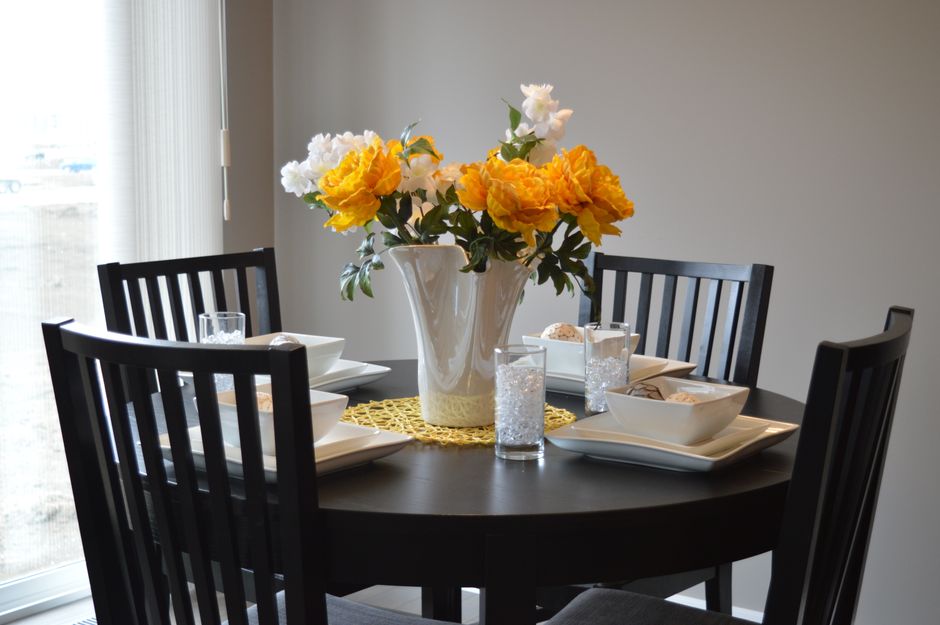
Quick win: Opt for a drop-leaf or extendable dining table; it instantly adapts to your needs, giving you essential floor space back when not in use.
The Fundamentals: First Steps to a Smart Setup
Before selecting any furniture, a strategic approach is key to maximising your small dining room. The foundation of any successful compact dining space rests on understanding your room's constraints and how you'll actually use the space day to day.
- Measure Meticulously: Map out your room's dimensions (length, width, and ceiling height) with a tape measure. Note permanent fixtures like radiators, windows, and doorways. Consider traffic flow – how people will move through and around the space. Ensure at least 90cm clearance around the table for comfortable seating and movement.
- Define Your Primary Purpose: Is this mainly for daily family meals, occasional entertaining, or a dual-purpose area (e.g., dining and home office)? This dictates the size and type of table and seating you'll need most often.
- Choose the Right Table Shape: Round or oval tables are excellent for small spaces as they lack sharp corners, promoting smoother traffic flow and often allowing more people to squeeze in. Square or rectangular tables work best if you're placing the table against a wall or in a corner, maximising linear space. Extendable versions are invaluable for flexibility.
- Select Smart Seating Solutions: Benches or banquettes push flush against a wall, saving significant space compared to individual chairs, and can offer hidden storage beneath. Armless chairs are visually lighter and tuck neatly under the table. Stackable or folding chairs are ideal for occasional use and easily stored away. Transparent chairs made from materials like acrylic minimise visual bulk.
- Prioritise Scale: Resist the urge to buy oversized furniture. Every piece should be proportionate to the room's dimensions. A bulky oak table with heavy chairs will overwhelm a small space, whereas a slender metal frame or glass top can feel airy and open.
In a typical terraced house with a 3.5m × 3m dining area, a round table measuring 1m in diameter with four armless chairs creates far more breathing room than a 1.5m rectangular table with bulky upholstered seating. The difference in how spacious the room feels is remarkable, even though both setups accommodate four diners comfortably.
Practical Ideas: Designing for Space and Style
Once the fundamentals are in place, clever design tricks can make your small dining room feel expansive and inviting. These strategies work together to create an environment that feels open, welcoming, and far larger than its actual footprint.
- Embrace Light Colours: Light wall colours (off-whites, pale greys, soft pastels) reflect light, making the room feel larger and brighter. Use darker tones sparingly for accents on a single feature wall or through smaller decor items.
- Mirror Magic: A large mirror strategically placed opposite a window or light source can double the perceived size of the room by reflecting light and views. Consider a decorative framed mirror as a focal point that adds both function and style.
- Transparent Furniture: Opt for a glass dining table or chairs made from clear acrylic. Their see-through nature reduces visual clutter and allows light to pass through, creating an illusion of openness. Glass tops paired with wooden or metal bases offer the best of both worlds – elegance and visual lightness.
- Vertical Storage Solutions: Utilise wall space with slim, wall-mounted shelves or a tall, narrow sideboard. This keeps floor space clear whilst providing essential storage for decor items, dishes, or even a small lamp. A floor-to-ceiling shelving unit in one corner can hold far more than a bulky dresser taking up floor space.
- Multi-functional Pieces: Look for furniture that serves more than one purpose. A console table might double as a serving station during meals, or a storage bench can hide linens and table runners. A slim sideboard can display decor whilst concealing everyday items behind closed doors.
- Strategic Lighting: Layer your lighting to create depth and warmth. A central pendant lamp can define the dining area, whilst wall sconces or a slender table lamp on a sideboard add ambient light. Good lighting prevents a room from feeling enclosed or cave-like, and creates the right mood for different occasions.
- Define with Rugs: A well-chosen rug can anchor the dining area, visually separating it from an open-plan space. Ensure it's large enough for all chair legs to remain on the rug even when pulled out, preventing snagging and maintaining visual flow.
- Thoughtful Wall Decor: Instead of many small items, consider one large piece of art or a curated gallery wall. This draws the eye and creates a focal point without cluttering the space. A single striking canvas or a carefully arranged collection of three to five smaller pieces works better than scattered individual items.
- Material Mix: Combine different materials like warm wood with sleek metal, or a robust oak table with light, airy chairs. This adds texture and interest without adding visual weight. A wooden table paired with transparent acrylic chairs, for instance, balances warmth with openness.

The interplay between materials is crucial in small spaces. A solid wooden table can feel grounded and warm, but pairing it with chairs that have metal frames and minimal upholstery prevents the space from feeling heavy. Similarly, a glass table with wooden legs maintains elegance whilst keeping sightlines clear throughout the room.
Lighting deserves special attention in compact dining rooms. A single overhead fixture often casts shadows and makes the space feel smaller. Instead, layer your light: a main pendant lamp hung at the correct height (typically 75–90cm above the table surface), combined with wall-mounted lamps on either side of a mirror or artwork, creates a warm, welcoming environment. A small decorative lamp on a narrow console adds another dimension of light and can be dimmed for intimate meals.
Dining Room Solutions: Budget, Mid-Range, and Premium Options
Small dining room furniture spans a wide price spectrum, each tier offering distinct advantages in materials, durability, and design sophistication. Understanding what to expect at each level helps you allocate your budget effectively and choose pieces that deliver value for your space.
| Category | Budget | Mid-Range | Premium |
|---|---|---|---|
| Typical Table Size | 90–110cm diameter (round) or 120–140cm (rectangular) | 100–120cm diameter (round) or 140–160cm (rectangular) | 100–130cm diameter (round) or 150–180cm (rectangular) |
| Table Materials | Particleboard with veneer, laminate tops, basic metal frames | Solid wood (pine, oak), tempered glass with metal or wood bases, engineered wood | Solid hardwoods (walnut, oak, teak), high-quality glass, bespoke finishes, marble or slate tops |
| Chair Options | Plastic, basic upholstery, simple wooden frames | Armless designs with quality fabric, metal-framed with cushioning, stackable variants | Bespoke upholstery, premium leather or linen, designer frames, artisan craftsmanship |
| Storage Solutions | Simple wall shelves, basic sideboards | Wall-mounted cabinets, console tables with drawers, slim sideboards with mixed storage | Fitted wall units, custom cabinetry, designer sideboards with integrated lighting |
| Extendability | Drop-leaf or basic extension mechanisms | Smooth-gliding leaf extensions, butterfly systems | Premium extension systems, seamless integration, heirloom-quality mechanisms |
| Typical Seat Count | 4–6 people comfortably | 4–6 people comfortably, expandable to 8 | 6–8 people comfortably, expandable to 10+ |
| Durability & Lifespan | 3–5 years with moderate use | 7–10 years with regular use | 15+ years, often lifetime investment pieces |
| Design Range | Contemporary and traditional basics | Wide variety: Scandinavian, industrial, transitional, classic | Bespoke, designer collections, artisan pieces, custom finishes |
Extendable Dining Tables


Best for compact flats: Budget and mid-range drop-leaf tables paired with stackable or transparent chairs maximise flexibility without breaking the bank. Best for budget-conscious buyers: Mid-range extendable tables in engineered wood or tempered glass offer durability and style at accessible price points. Best for premium spaces: Solid hardwood tables with bespoke finishes and designer seating create investment pieces that define a room's character for decades.
Common Mistakes & How to Avoid Them
Even with the best intentions, small dining rooms can fall victim to common design pitfalls. Understanding these traps helps you sidestep them and maintain a space that's both functional and beautiful.

- Over-scaling Furniture: Choosing a dining table or chairs that are too large or bulky for the room instantly makes the space feel cramped and difficult to navigate. Always measure your room and furniture carefully. Opt for slim profiles, armless chairs, and tables with slender legs. Consider materials like metal or glass that have a lighter visual footprint than solid, chunky pieces.
- Blocking Traffic Flow: Placing furniture in a way that obstructs pathways makes it awkward to move around the table or through the room. Ensure there's at least 90cm of clear space around the table for chairs to be pulled out and people to walk comfortably. A round table often helps by eliminating corner obstructions.
- Poor Lighting: Relying on a single, dim light source makes a dark room feel smaller and less inviting. Incorporate multiple light sources: a main overhead lamp, perhaps a wall-mounted lamp, and a small table lamp for ambiance. Maximise natural light with sheer curtains or blinds that allow daylight to flood in without creating glare.
- Ignoring Vertical Space: Leaving walls bare or underutilised misses opportunities for storage and visual interest. Install floating shelves for decor, slim wall-mounted cabinets, or a tall, narrow vase. A striking piece of wall art can draw the eye upwards, creating an illusion of height and making ceilings feel higher.
- Too Much Clutter: Overloading surfaces with decorative items, paperwork, or miscellaneous objects makes small spaces feel overwhelmed quickly. Implement smart storage solutions and keep tabletop decor minimal – a single candle arrangement or a small vase with fresh flowers is often enough. Regularly declutter to maintain an open, airy feel.
- Heavy, Dark Colour Schemes: Painting walls in very dark, rich colours or using heavy, dark furniture throughout can make a small room feel like a cave. Stick to lighter, neutral palettes for walls and larger furniture pieces. Introduce darker colours through smaller accents like cushions, artwork, or a decorative lamp.
A common scenario in UK homes is the small dining room that doubles as a workspace. Resist the temptation to cram in a desk, dining table, and storage all at once. Instead, choose a console table that can serve as both a desk and a serving station, or opt for a wall-mounted fold-down desk that disappears when not needed. This prevents the space from feeling like a cluttered office.
Finishing Touches & Frequently Asked Questions
With the core setup complete, the final touches elevate your small dining room from functional to truly fabulous. These details create warmth, personality, and a sense of intentional design.
- Minimalist Tabletop Decor: Less is more. A simple, elegant vase with fresh flowers, a small bowl of fruit, or a tasteful candle arrangement can add charm without clutter. Keep the table clear enough that diners have comfortable space for place settings and glasses.
- Thoughtful Wall Art: Choose one impactful piece or a small, curated gallery wall that complements your chosen aesthetic. This adds personality and draws the eye without overwhelming the space.
- Soft Textiles: If using a bench, add a couple of comfortable cushions in complementary colours or patterns. A subtle rug under the table adds warmth and defines the zone, anchoring the dining area within a larger open-plan space.
- Greenery: A small potted plant or a trailing vine brings life and freshness into the space, connecting it to nature. A compact plant on a floating shelf or a small vase with seasonal foliage adds visual interest without taking up table space.
- Accent Lighting: A stylish table lamp on a slim console or a small, decorative lamp creates a cosy atmosphere for evening meals. Dimmable bulbs allow you to adjust the mood from bright and energetic to intimate and relaxed.
What's the best table shape for a really tiny dining room? Round or oval tables are often the most effective. Their lack of sharp corners allows for easier movement around them and can often accommodate an extra person compared to a square or rectangular table of similar footprint. In a room measuring 3m × 2.5m, a 90cm round table works far better than a 1.2m rectangular one.
How can I make my small dining room feel bigger? Maximise natural light, use mirrors strategically, opt for light colour schemes on walls, and choose transparent or visually light furniture (e.g., glass tops, metal frames, acrylic chairs). Keep decor minimal and utilise vertical space for storage and display. The cumulative effect of these choices dramatically expands the perceived space.
Should I use a rug in a small dining room? Yes, a rug can effectively define the dining area, add warmth, and introduce texture. The key is to choose one that's large enough so that all chair legs remain on the rug even when pulled out, preventing snagging and maintaining visual flow. A rug also anchors the furniture grouping and prevents the space from feeling disconnected in an open-plan layout.
Can I have a statement light fixture in a small space? Absolutely! A well-chosen pendant lamp can be a fantastic focal point. Opt for designs that are visually light – perhaps with a metal frame, glass elements, or an open structure – so they don't overwhelm the room. Ensure it's hung at the correct height (typically 75–90cm above the table) to avoid obstructing views and conversation.
What materials work best for small dining rooms? Glass, metal, and light woods create an airy feel without sacrificing durability. Tempered glass tops allow sightlines to pass through, whilst metal frames provide structural integrity with minimal visual weight. Pale or medium-toned solid woods (oak, ash, or pine) offer warmth without the heaviness of dark timber. Combining materials—such as a wooden table with metal-framed chairs—adds interest whilst maintaining an open aesthetic.
How do I choose between a fixed and extendable table? Fixed tables suit homes where entertaining is infrequent and floor space is at an absolute premium. Extendable tables offer flexibility: they provide daily functionality in a compact footprint, then expand when guests arrive. For most small dining rooms, an extendable option delivers better value because it adapts to your actual needs rather than forcing compromise.