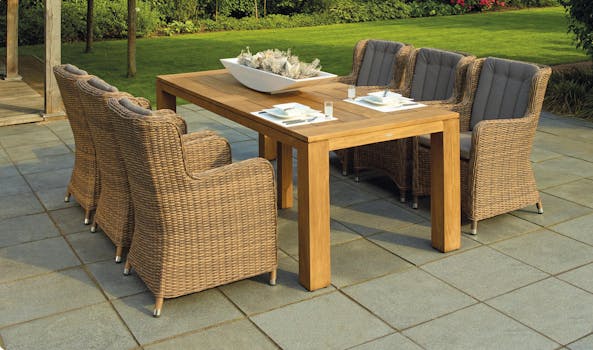
Most UK homeowners assume Luxury Rattan Outdoor Furniture UK is inherently fragile or high-maintenance, so they either avoid it entirely or buy the budget versions that confirm their worst suspicions. Neither approach gets you the garden space you actually want to spend time in.
What Makes Rattan 'Luxury' in the UK Market
Luxury rattan isn't defined by a fancy brand name or an inflated price tag. It's about three specific qualities working together: the quality of the rattan weave itself, the strength of the frame underneath, and the weather-resistant treatments applied during manufacturing. When all three are done properly, you're buying furniture that'll still look inviting in ten years.
The rattan itself matters enormously. High-grade rattan comes from mature plants with thicker, denser fibres that resist splitting and fraying. Budget rattan uses younger, thinner material that deteriorates quickly—especially in damp British climates. A luxury piece uses hand-woven rattan with consistent thickness throughout, whereas cheaper alternatives mix thin and thick strands to cut costs.
Underneath the weave, the frame is what actually holds everything together. Premium outdoor rattan uses either powder-coated aluminium or high-grade stainless steel rather than mild steel that rusts. If you're looking at a corner sofa, the frame should feel absolutely rigid when you push on it—no flex, no creaking. A 2.5-metre corner set from a luxury manufacturer typically weighs 45–55 kg because of the substantial frame; budget versions often weigh 25–30 kg, and you'll feel that difference immediately.
The Real Challenge: British Weather and Your Garden
Here's what nobody tells you: rattan furniture doesn't fail because of rain. It fails because of the freeze-thaw cycle. Water gets into the weave, freezes overnight, expands, and cracks the fibres from the inside. This happens repeatedly throughout a UK winter, and by spring, your furniture looks damaged even if it's been covered.
Luxury rattan furniture is treated with UV-protective and water-resistant coatings that slow this process dramatically. The best manufacturers use marine-grade sealants—the same technology used on yacht interiors—which create a protective barrier without making the furniture feel plastic or stiff. You can still run your hand over it and feel the natural texture of the rattan.
Your garden's microclimate matters too. A sheltered south-facing patio with afternoon sun is forgiving; a damp, shaded corner that stays wet for days is brutal. Luxury furniture can handle both, but understanding your specific conditions helps you choose the right pieces and maintenance schedule.
Why This Guide Exists
You're considering a significant investment—a luxury rattan suite costs anywhere from £1,500 to £5,000+ depending on size and configuration. That money deserves to work hard for you, creating a beautiful outdoor space that actually survives the British climate without constant fussing.
Throughout this guide, we'll walk through exactly what separates genuinely luxurious rattan from the rest, how to assess quality before you buy, which materials and designs perform best in UK gardens, and the straightforward maintenance routine that keeps your furniture looking pristine. By the end, you'll know precisely what to look for and what questions to ask before spending a pound.
Unlocking the Secrets to Durable Luxury Rattan Outdoor Furniture for UK Gardens
The material your garden furniture is made from determines whether it'll look beautiful in five years or become a weathered eyesore. Most people assume all rattan is the same, but the difference between a premium piece and a budget alternative comes down to what's actually woven around that frame.
Distinguishing Premium Synthetic Rattan from Inferior Alternatives
Natural rattan sounds luxurious until you realise it absorbs moisture like a sponge and splits spectacularly during UK winters. That's why the best outdoor furniture uses synthetic rattan—specifically, high-density polyethylene (PE) rather than PVC or recycled plastics.
PE rattan is engineered to mimic natural rattan's appearance whilst offering something natural fibres simply can't: genuine weather resistance. It won't absorb water, won't fade as quickly under UV rays, and won't crack when temperatures plummet. A luxury PE rattan suite can sit through a harsh winter uncovered and emerge looking virtually unchanged, whereas natural rattan would be severely compromised.
The frame holding everything together is equally critical. Powder-coated aluminium is the gold standard for UK gardens because it's lightweight, won't rust in damp conditions, and maintains its structural integrity for decades. A typical 2-seater sofa frame should weigh around 18–22 kg; if it feels flimsy or weighs significantly less, you're likely looking at lower-grade aluminium or even mild steel that'll corrode within seasons.
Identifying high-quality virgin PE rattan is straightforward once you know what to look for. Run your hand along the weave—premium rattan feels smooth and flexible without any chalky residue, which indicates recycled or degraded plastic. The colour should be consistent throughout; cheaper alternatives often have streaky, uneven tones because they're made from mixed or reclaimed materials. Bend a strand gently; quality PE flexes without cracking, whilst inferior plastics snap or show white stress marks.
The Art of the Weave: What Defines a High-Quality Construction
How the rattan is woven around the frame separates furniture that looks premium from pieces that merely look cheap. There are three main weave patterns: flat (ribbon-like strands), half-round (curved on one side), and full-round (completely cylindrical).
Full-round weaving is the hallmark of luxury outdoor furniture because it creates a substantial, three-dimensional appearance and distributes stress more evenly across the structure. When you run your fingers over a full-round weave, you feel individual cylindrical strands rather than flat ribbons—it's tactilely luxurious and visually sophisticated. Half-round offers a middle ground between aesthetics and cost, whilst flat weaving is typically found on budget pieces and looks noticeably thinner and less refined.
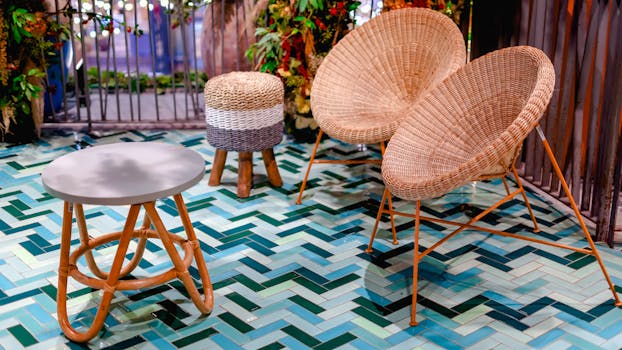
The tightness and consistency of the weave is where true craftsmanship reveals itself. Premium rattan furniture is hand-woven with virtually no visible gaps between strands; each row sits snugly against the next, creating a seamless surface. Look closely at the corners and joints—you shouldn't see any loose ends, fraying, or areas where the weave has shifted. Gaps aren't just cosmetic issues; they're entry points for water and dirt that accelerate deterioration.
Strand thickness and uniformity matter enormously. Luxury manufacturers use consistently thick strands throughout the entire piece, typically 6–8 mm in diameter for full-round rattan. Budget alternatives mix thin and thick strands to save material costs, which creates weak points where thinner sections are prone to splitting and cracking. When you're examining a piece in person or in detailed photographs, the strands should look uniform from one end of the sofa to the other.
The difference between hand-woven and machine-woven furniture is immediately apparent once you know what to look for. Hand-woven pieces show subtle variations in tension and spacing that create character; machine-woven furniture looks robotically uniform but often has tighter tolerances that can cause stress points. For UK gardens, hand-woven luxury rattan typically outlasts machine-woven alternatives by several years because the weaver naturally adjusts tension to accommodate the frame's contours.
Maximising Longevity: Protecting Your Luxury Rattan Investment from UK Weather
You've invested in quality rattan furniture—now comes the part that actually determines whether it'll look stunning in a decade or fade into regret. The difference between furniture that ages gracefully and pieces that deteriorate rapidly comes down to specific weather-resistant features and a straightforward care routine you'll genuinely stick to.
Essential All-Weather Features for UK Garden Resilience
UV stabilisation is built into premium PE rattan during manufacturing, not added as an afterthought. This protective layer prevents the plastic from becoming brittle and faded when exposed to intense summer sun—and British sun, despite our reputation, can be surprisingly fierce on south-facing patios. Without proper UV protection, your rattan will start looking chalky and pale within 18 months.
When you're examining luxury furniture, ask the retailer specifically about UV additives in the PE resin. Quality manufacturers include carbon black or UV absorbers that keep the colour vibrant; cheaper alternatives skip this step to save pennies, and you'll notice the difference by year two.
Cushions are where most people make expensive mistakes. Standard fabric absorbs moisture like a sponge, leading to mould, mildew, and that musty smell that lingers even after drying. Luxury outdoor furniture comes with Olefin or solution-dyed acrylic cushions that shed water rather than absorbing it—a £400 set of cushions with Olefin fabric will outlast three sets of cheaper alternatives because they dry within hours of rain rather than days.
Breathable protective covers are your secret weapon for winter storage. Unlike solid plastic sheeting that traps condensation and creates a damp microclimate, tailored covers made from breathable fabric allow moisture to escape whilst shielding your furniture from direct rain and frost. A quality cover costs £80–150 but extends your furniture's lifespan by years because it prevents the freeze-thaw cycle that cracks and weakens the weave.
Simple Care Routines for Pristine Rattan Furniture Year-Round
Cleaning your rattan takes fifteen minutes every month and requires nothing more than mild soap, warm water, and a soft brush. Mix a few drops of washing-up liquid into a bucket, scrub gently along the weave to lift dirt and pollen, then rinse thoroughly with clean water. That's genuinely it—harsh chemical cleaners, bleach, and pressure washers will damage the PE coating and void your warranty.
<strong>Luxury Rattan Outdoor Furniture UK</strong>


For stubborn marks or algae growth (common in shaded, damp corners), a soft-bristled deck brush works beautifully without scratching the rattan. Let the soapy water sit for five minutes before scrubbing; this loosens dirt without requiring aggressive scrubbing that can weaken the weave over time.
Winter storage separates owners whose furniture lasts eight years from those replacing it every four. Before covering or storing, clean your furniture thoroughly and leave it to dry completely in dry conditions—this takes 24–48 hours depending on humidity. Remove cushions and store them indoors; even weather-resistant fabrics deteriorate faster outdoors during winter months. Ensure your protective cover has ventilation panels or breathable fabric; sealed covers create condensation that defeats the entire purpose of protection.
Common mistakes cost you years of lifespan. Leaving cushions exposed to prolonged rain, even if they're technically weather-resistant, encourages mould growth in the filling. Storing furniture without proper ventilation creates damp conditions that weaken the frame. Using abrasive cloths or scouring pads scratches the protective coating, exposing the rattan underneath to UV damage and moisture infiltration.
Your investment in luxury rattan only pays off if you protect it properly—and the good news is that proper protection requires minimal effort. Fifteen minutes of cleaning monthly and sensible winter storage is all that stands between furniture that looks magnificent for a decade and pieces that disappoint within years.
Styling Your UK Garden: Design Choices for Enduring Luxury Rattan Appeal
The most expensive rattan furniture in the world won't serve you well if it clashes with your garden or feels uncomfortable to actually use. Luxury is about more than durability—it's about creating an outdoor space you genuinely want to spend time in, season after season.
Curating Your Outdoor Aesthetic: Trends and Timeless Choices
Rattan colour choices fall into three main camps: grey (contemporary and versatile), natural or honey tones (warm and traditional), and charcoal or dark brown (sophisticated and forgiving). Grey is currently the most popular choice for UK gardens because it complements both modern and period properties, but it's worth considering what will actually suit your home's exterior and garden palette.
If your house has warm-toned brick or stone, natural rattan will harmonise beautifully and feel cohesive; if you have rendered walls or a contemporary aesthetic, grey or charcoal creates a sharper, more intentional look. The key is choosing a colour you'll still love in five years rather than chasing whatever's trending on Instagram right now. Timeless choices—neutral greys and natural tones—age more gracefully than fashionable pastels or bold colours that feel dated quickly.
Your garden's layout determines which style actually works. Modular contemporary sets are brilliant for smaller UK gardens because you can reconfigure them as your needs change—add a corner extension next year, remove a section if you want more planting space. Traditional corner sofas with fixed frames suit larger, more formal gardens where you want a permanent focal point that anchors the space.
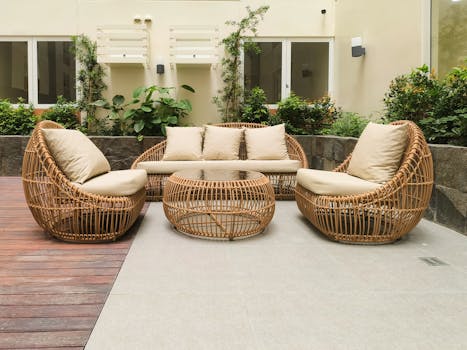
Cushions are where comfort and style intersect. Deep-filled cushions (at least 15 cm thick) feel genuinely luxurious to sink into, transforming your furniture from something you tolerate into somewhere you actually relax. Removable, washable covers in quality Olefin fabric mean you're not panicking every time someone spills coffee—just unzip and wash at 30 degrees. A luxury suite with proper cushions costs more upfront but delivers the comfort that justifies the investment.
Assessing True Value: Beyond the Price Tag of Luxury Rattan
Two identical-looking rattan sofas might have vastly different price tags, and the cheaper one isn't always poor value—but sometimes it absolutely is. The difference lies in what you're actually buying beyond the visible frame and weave.
Warranty length is a manufacturer's confidence statement. A reputable luxury brand offers 5–10 year warranties covering structural defects and material failure; budget alternatives often come with just 12 months. That extended warranty exists because the manufacturer genuinely believes their furniture will outlast it. If a company won't stand behind their product for longer than a year, that tells you something important about how they expect it to perform.
Where you buy matters enormously. Purchasing from established UK suppliers means access to spare parts (replacement cushions, frame repairs, new covers), proper after-sales support, and adherence to UK consumer protection standards. A £2,000 suite from a reputable retailer with a showroom you can visit offers security that the same price from an unknown online marketplace simply doesn't provide.
Compare actual specifications rather than just price. Check frame thickness (should be at least 2.5 mm aluminium), weave density (hand-woven full-round is superior to machine-woven half-round), cushion fill weight (quality cushions use 200+ gsm foam), and material certifications (look for UV and weather resistance testing). A slightly more expensive suite with a thicker frame and denser weave will outlast a cheaper alternative by years, making the initial cost difference irrelevant over time.
True luxury rattan value reveals itself not in the first season but in year three, year five, and beyond—when your investment still looks beautiful whilst cheaper alternatives are showing their age.
Making Your Investment Count: A Final Word on Luxury Rattan for UK Gardens
Your garden deserves furniture that actually works in British weather rather than furniture that merely looks the part for a season. Investing in luxury rattan is fundamentally about choosing durability, comfort, and style that genuinely coexist—not compromises between them.
The journey from browsing online to sitting in your new outdoor space should feel exciting, not overwhelming. You now understand what separates premium rattan from budget alternatives, what construction details actually matter, and how to protect your investment so it ages beautifully rather than deteriorating into regret.
The Foundation: Quality Materials That Perform
Premium PE rattan with a powder-coated aluminium frame isn't a luxury—it's the baseline for furniture that'll genuinely last in UK conditions. These materials exist because they work, not because manufacturers are trying to inflate prices. A £2,500 corner sofa built this way will outperform a £1,200 alternative by years, making the initial cost difference negligible over a decade of use.
Hand-woven full-round rattan with consistent strand thickness and tight, gap-free weaving is what you're looking for when you examine a piece in person. Run your fingers across it; quality feels substantial and uniform, not flimsy or streaky. If it feels like plastic rather than woven rattan, it probably is—and it'll deteriorate accordingly.
The frame should feel absolutely rigid with no flex or creaking when you apply pressure. A 2.5-metre corner set weighing 45–55 kg indicates proper construction; anything significantly lighter suggests compromised materials that won't withstand years of weather exposure.
Protection and Longevity: The Practical Reality
Maintenance isn't a burden if you approach it as the simple routine it actually is. Fifteen minutes monthly with mild soap and a soft brush keeps your furniture looking pristine; winter storage with breathable covers and dry cushions indoors ensures the freeze-thaw cycle doesn't compromise your investment. These aren't optional extras—they're the difference between furniture that lasts eight years and pieces that disappoint after four.
UV stabilisation, water-resistant cushion fabrics, and tailored protective covers aren't marketing buzzwords; they're engineered solutions to specific UK climate challenges. When you're comparing options, these features should be non-negotiable rather than nice-to-haves.
Value Beyond the Price Tag
A 5–10 year warranty signals manufacturer confidence in their product's longevity. Purchasing from established UK suppliers with physical showrooms and comprehensive after-sales support means you're not gambling on quality—you're buying peace of mind alongside furniture. That matters when you're investing thousands of pounds.
Compare frame thickness, weave density, cushion specifications, and material certifications rather than fixating on the initial cost. A slightly more expensive suite with superior construction will deliver better value over time because it simply lasts longer and requires less replacement.
Your Next Step
Start by honestly assessing your garden's specific conditions. Is it sheltered or exposed? Shaded or sun-drenched? Damp or well-draining? Your garden's microclimate influences which features matter most and which maintenance routine you'll actually maintain consistently.
Research reputable UK suppliers—brands with established reputations, transparent warranty policies, and customer reviews that mention longevity rather than just initial appearance. Visit showrooms if you can; sitting in furniture before buying removes the guesswork and ensures comfort matches your expectations.
Ask specific questions about materials, construction methods, and warranty coverage. A retailer who can confidently explain why their PE rattan outperforms alternatives and detail their frame specifications is someone worth buying from. Those who deflect or rely purely on aesthetics are probably cutting corners elsewhere.
Your luxury rattan investment will reward careful selection with years of beautiful, comfortable outdoor living. That's worth the research, worth the initial investment, and worth protecting properly once it arrives in your garden.