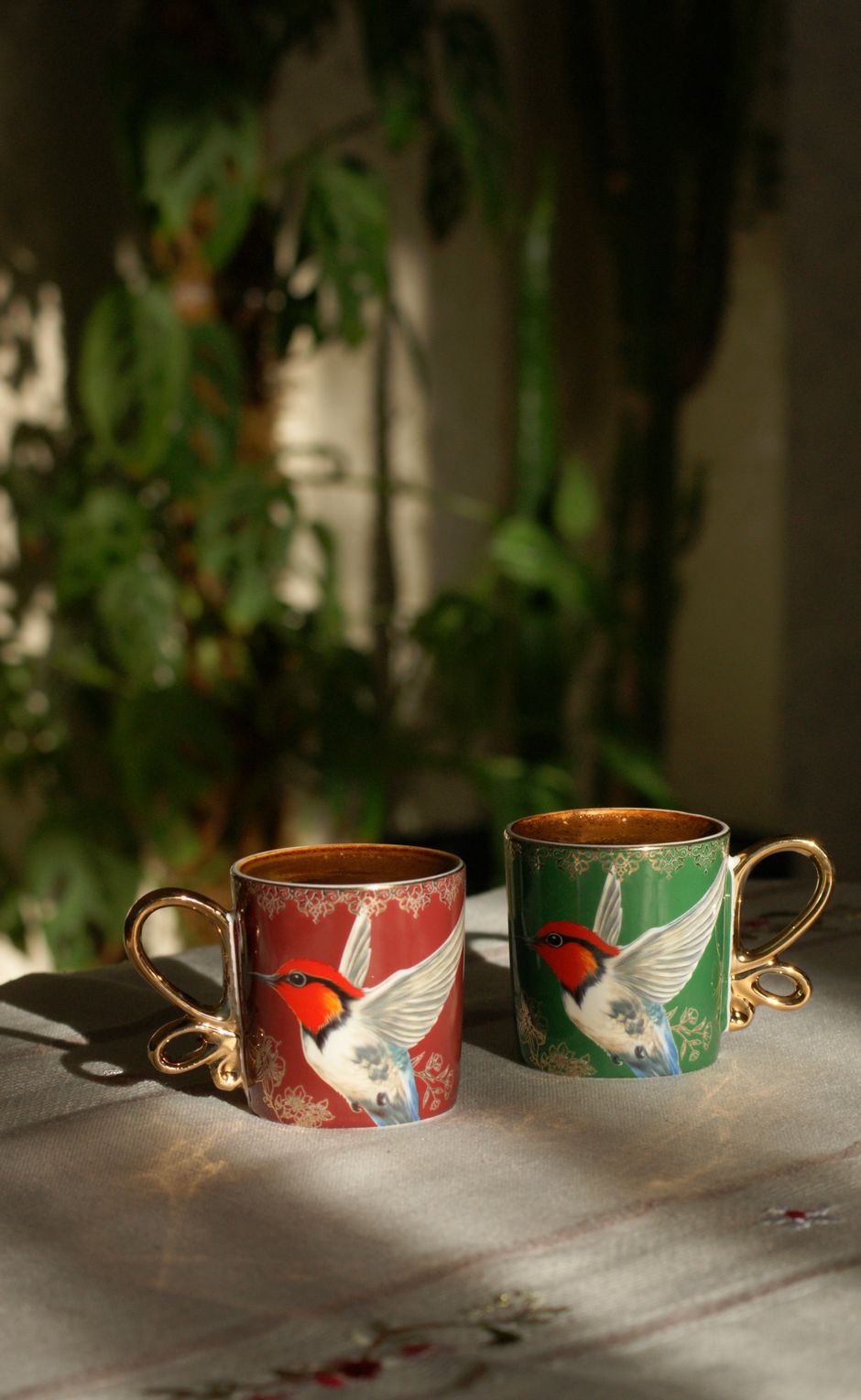
Best Stylish Cups and mugs


The market for stylish cups and mugs has exploded over the past decade, and understanding the main categories will help you narrow down what suits your home and habits.
Individual mugs and cups are the workhorses of most kitchens. These are single pieces you buy one or two at a time, perfect if you want to build a collection gradually or replace worn items without committing to a full set. A single artisan-made ceramic mug from a British potter might cost between £12 and £25, giving you complete flexibility to mix and match styles. You'll find everything from minimalist Scandinavian designs to hand-painted botanical patterns, so you can choose pieces that genuinely reflect your taste rather than settling for a matching set you don't fully love.
Cup and mug sets offer cohesion and value. A set typically includes four to six matching pieces, sometimes with coordinating saucers or a teapot. Sets work brilliantly if you entertain regularly, need uniformity for a formal dining scheme, or want to guarantee you have enough matching pieces for guests. Many UK homeowners choose sets for their guest china but keep individual statement mugs for daily use—this two-tier approach gives you both practicality and personality. Sets from established British manufacturers often range from £35 to £150 depending on the quality and complexity of the design.
Specialty mugs and cups serve specific purposes. Travel mugs with lids, double-walled thermal cups for keeping drinks hot longer, espresso cups with matching saucers for proper Italian coffee service, or oversized soup mugs for winter broths—these category-specific pieces solve real problems. A thermal travel mug might cost £18 to £35, but if you're commuting or working from home, it's a worthwhile investment that you'll use every single day.
Key Factors to Consider
Before you start browsing, think through these practical criteria. They'll prevent impulse purchases you regret and help you find pieces that genuinely fit your life.
- Size and capacity. A standard UK mug holds 300–350ml, but "mug" sizes vary wildly. If you're a tea drinker who likes to let your brew steep for five minutes, a smaller 250ml cup might be perfect. Coffee lovers often prefer 400ml or larger. Measure your favourite existing mug or check the ml capacity listed online—this single detail prevents the frustration of owning mugs that don't hold enough for your morning ritual.
- Material composition. Ceramic is the classic choice, offering warmth in your hands and excellent heat retention, but it chips and breaks. Porcelain is harder and more durable, better for daily dishwasher use. Stoneware is thick and rustic, brilliant for casual kitchens. Bone china feels luxurious and is surprisingly durable, though more expensive. Each material behaves differently—ceramic cools faster, porcelain holds heat longer—so your choice affects the actual experience of using the mug.
- Visual style and your kitchen scheme. Are you working with a minimalist aesthetic, a cosy cottagecore kitchen, or something in between? Stylish cups and mugs come in every finish imaginable: matte, gloss, speckled, hand-painted, geometric, botanical, or completely plain. Your mugs will be visible on open shelving or inside clear cupboards, so they should complement your existing colour palette and design language. A kitchen with sage green walls and brass fixtures suits earthy, natural ceramics far better than sleek white porcelain.
- Durability and maintenance. Dishwasher-safe mugs save time; hand-wash-only pieces require more care. If you have young children or a busy household, prioritise robust materials like stoneware or porcelain that won't chip easily. Hand-painted or glazed designs sometimes fade in the dishwasher, so check care instructions carefully. Mugs with metallic gold or silver finishes need gentle handling, as the decoration can wear away with repeated washing.
- Price and budget. Stylish cups and mugs range from budget-friendly supermarket finds at under £5 each to artisan-made pieces costing £40 or more. Your budget should reflect how often you'll use them and how long you want them to last. A daily-use mug deserves a higher investment than occasional guest china.
- Delivery and availability. Many UK homeowners order online, so check whether items ship quickly and whether returns are hassle-free. Some independent British potters have waiting lists, whilst high street shops offer instant gratification. If you're furnishing a kitchen quickly, online retailers with next-day delivery might suit you better than waiting six weeks for a bespoke order.

Quick win: Measure your current favourite mug's capacity in millilitres before shopping—this single number eliminates half the guesswork.
How Much Should You Spend on Stylish Cups and Mugs?
Price ranges for stylish cups and mugs vary dramatically depending on materials, brand heritage, and whether you're buying individual pieces or sets. Understanding the tiers helps you make intentional choices rather than defaulting to whatever's on sale.
Budget tier (under £60 for a set or £8–15 per mug). This is where you'll find high street retailers, supermarket own-brand ceramics, and newer independent makers. Quality is perfectly respectable—many budget mugs are durable and visually appealing—but they may not last a decade of daily use. A set of four budget mugs costs roughly £20 to £40, making this tier ideal for building a casual collection or experimenting with styles you're not certain about. The downside is that budget pieces sometimes feel thin or cheap in your hands, and the glaze might not be as refined.
Mid-range (£15–35 per mug or £60–150 for a set). This is where most UK homeowners find their sweet spot. Established British manufacturers and well-known European brands sit here, offering excellent durability, thoughtful design, and materials that genuinely feel nice to hold. A mid-range set of six pieces costs around £80 to £120, giving you quality that will last 10+ years with proper care. You're paying for better glazing, more durable materials like bone china or high-fired stoneware, and design that's stood the test of time rather than chasing fast trends.
Premium tier (£35+ per mug or £150–300+ for a set). Luxury ceramicists, heritage British potteries, and high-end European designers occupy this space. You're investing in artisanal craftsmanship, rare materials, or pieces with genuine design heritage. A premium set might include hand-painted details, bespoke glazes, or production limited to a few hundred pieces. These mugs become heirlooms—pieces you'll treasure and potentially pass on. If you're furnishing a show-stopping kitchen or treating yourself to something truly special, this tier justifies the investment.
Most UK homes benefit from a mixed approach: budget or mid-range everyday mugs for daily use, and perhaps one or two premium pieces for display or special occasions. This way you're not anxious about chipping your best mug, but you still get to enjoy beautiful ceramics every morning.
Top Brands for Stylish Cups and Mugs in the UK

Several brands have earned trust through consistent quality and distinctive design. Knowing what they offer helps you navigate the enormous market with confidence.
British manufacturers like Robert Welch represent mid-to-premium positioning with a focus on timeless design and exceptional craftsmanship. These brands often use quality porcelain or bone china and invest heavily in glaze development and form. Expect to pay mid-range to premium prices, but you're buying pieces designed to last decades. The aesthetic tends toward understated elegance rather than bold trends—think refined minimalism and subtle colour palettes. If you want mugs that will look good in five years and ten years, these heritage brands deliver.
European manufacturers like Villeroy & Boch bring continental design sensibilities to the UK market, often combining traditional craftsmanship with contemporary aesthetics. They're known for intricate glazing, interesting surface textures, and colours that feel sophisticated rather than trendy. Villeroy & Boch pieces typically sit in the mid-to-premium range, offering excellent durability and distinctive visual character. Their designs often feature subtle botanical elements, geometric patterns, or hand-painted details that make each piece feel special.
Independent British potters and ceramicists offer bespoke or limited-edition pieces if you want something truly unique. These makers often work in small batches, use traditional techniques, and can customise colours or designs to suit your home. Prices vary widely, but you're supporting local craft and getting something you won't see in every other UK kitchen. Many offer pieces in the mid-range, though some command premium prices for their reputation and skill.
Common Mistakes to Avoid
After advising hundreds of UK homeowners on kitchen design, I've spotted patterns in what people regret. Learning from these mistakes saves you money and frustration.
- Buying a full set when you'd actually prefer variety. The appeal of a matching set is understandable, but most people use their everyday mugs far more than formal guest china. If you don't genuinely love the set's design, you'll end up hiding it in a cupboard and buying individual mugs you prefer anyway. Start with two or three mugs you adore, then build from there. You'll end up with a collection that actually reflects your taste and gets used daily.
- Ignoring capacity and choosing purely on aesthetics. A stunning mug that only holds 250ml is frustrating if you like a proper-sized cup of tea. Conversely, an enormous mug might look awkward on your shelf or feel unwieldy in your hand. Always check the millilitre capacity and, if possible, hold similar-sized mugs before committing. Aesthetics matter, but a mug that doesn't function for your habits is just decoration.
- Assuming all ceramics are dishwasher-safe or that hand-washing is no big deal. Some beautiful hand-painted or glazed mugs genuinely need gentle hand-washing to preserve their finish. If you have a busy household or hate hand-washing, this is a real constraint. Check care instructions before you buy, especially for anything with metallic finishes, delicate glazing, or hand-painted details. A mug you can't actually use the way you want becomes a source of resentment, not joy.
Choosing stylish cups and mugs is one of those small decisions that compounds over time. The right pieces make your kitchen feel intentional and beautiful, whilst the wrong ones create visual clutter and functional frustration. Take your time, measure your preferences, and invest in pieces you'll genuinely reach for every single day. Your morning routine deserves that small luxury.
Current Deals — Stylish Cups and mugs

" } ```