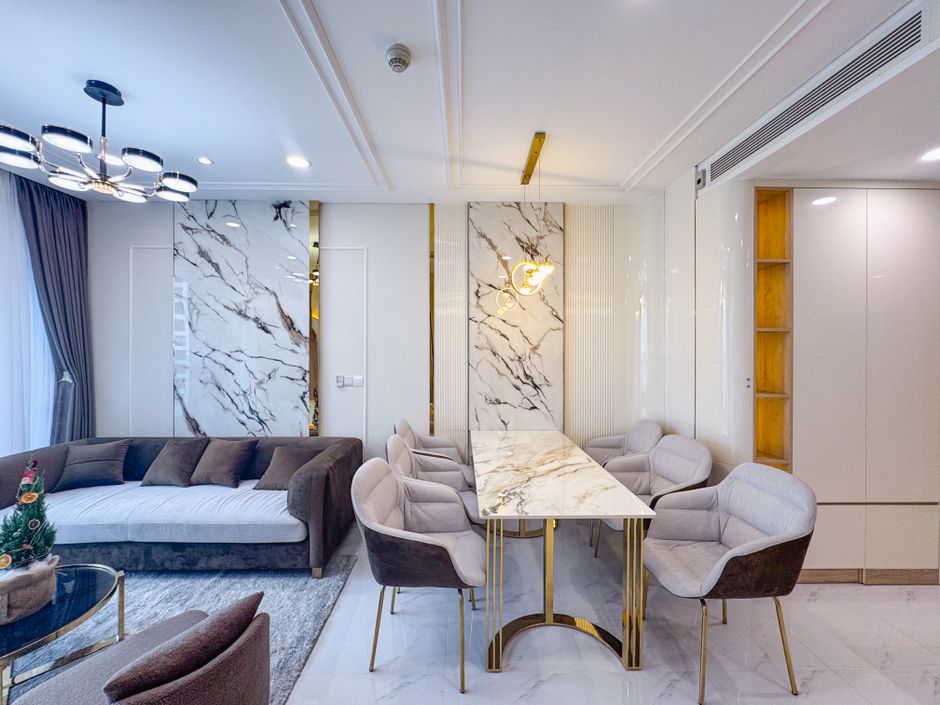
Quick answer: The best marble dining table for you balances authentic marble presence with your lifestyle needs, ensuring the right size, shape, and base material for lasting enjoyment and practical daily use.
The Decisions That Matter Most
Choosing a marble dining table goes beyond simply liking its look. The most crucial decisions hinge on how the table will integrate into your daily life and space. Understanding these core criteria will prevent future regrets and ensure lasting satisfaction.
Lifestyle and Durability: Real Marble Isn't Always the 'Best' Choice
Here's something most retailers won't tell you: whilst genuine marble offers unparalleled natural beauty, it's not always the most practical choice for every household. Its porous nature makes it susceptible to etching from acidic spills (like wine or lemon juice) and staining if not sealed and cleaned promptly. For busy family homes with young children or frequent entertaining, an engineered marble top might offer superior durability and easier maintenance, resisting stains and scratches more effectively without sacrificing a luxurious aesthetic. Consider your daily routine: how much traffic will the table see? How much time are you willing to dedicate to meticulous care?
A Manchester-based homeowner with three children discovered this the hard way after investing in a genuine marble table. Within months, orange juice spills had etched the surface and red wine had left permanent marks. She now wishes she'd chosen engineered marble, which would have withstood her family's lifestyle far better.
Space and Flow: Beyond Just Dimensions
It's not enough to simply measure the length and width of your dining area. Consider the overall flow of the room. A large, rectangular marble dining table might fit the dimensions but could obstruct pathways or make the room feel cramped. Round tables often promote better traffic flow in smaller spaces and encourage more intimate conversation. Ensure there's ample space (at least 90cm) between the table edge and any walls or other furniture to allow chairs to be pulled out comfortably and people to move around freely.
- Room Flow: Measure not just the dining area but the pathways to and from it, ensuring the table doesn't create bottlenecks.
- Chair Movement: Account for the space needed to pull chairs back fully without hitting walls or other furniture.
- Visual Balance: A table that's too large can dominate a room; one that's too small may feel lost.
Aesthetic Harmony: Integrating Your Marble Statement
Whilst a marble dining table is a focal point, it must also harmonise with your existing decor. Consider your colour palette: does the white or black marble complement your wall colours, flooring, and other furniture? The subtle veining can introduce new tones that either enhance or clash with your scheme. Your home's style matters too—is it modern, traditional, industrial, or minimalist? A sleek, metal-legged marble table suits contemporary spaces, whilst a wooden base might soften the look for a more classic interior.
- Colour Palette: Examine the veining closely; even white marble contains grey, beige, or brown tones that must complement your décor.
- Base Material Impact: Metal bases (like steel) offer a contemporary, often industrial feel, whilst wooden bases (solid wood, MDF) provide warmth and a more traditional or rustic touch.
- Style Consistency: Ensure the table's design language aligns with your overall interior narrative.
Seating Capacity: Practicality Meets Design

Think about your typical dining needs. Do you regularly host large gatherings, or is it primarily for a smaller household? Over-specifying for rare occasions can lead to an unnecessarily large table that dominates the room. Conversely, under-specifying can mean uncomfortable, cramped meals. Consider extendable options if flexibility is key, though these are less common with genuine marble tops due to weight and material consistency.
Materials, Types and Sizing Explained
Understanding the specifics of marble dining tables means delving into their composition and form. The term 'marble' itself can encompass a range of materials, each with distinct characteristics that directly impact durability, maintenance, and cost.
Decoding Tabletop Materials
- Genuine Marble: This is natural stone, quarried from the earth. Each slab is unique, featuring distinct veining patterns, colour variations, and natural imperfections. It's incredibly heavy, porous (requiring sealing and careful maintenance), and susceptible to etching from acids. Its beauty is unmatched, but it demands respect and care.
- Engineered Marble / Composite: Often made from crushed natural marble particles mixed with resins, this material offers a highly durable, non-porous surface that mimics the look of genuine marble. It's typically lighter, more resistant to stains and scratches, and requires less maintenance. The patterns are often more uniform and can be manufactured to specific designs.
Base Materials: The Foundation of Your Table
- Metal (Steel): Provides excellent stability and a modern, often industrial aesthetic. Steel bases are robust, durable, and can support heavy marble tops effectively. They're commonly seen in sleek, minimalist designs and offer superior longevity.
- Wood / Wooden: Offers warmth and a more traditional or rustic feel. Solid wood bases are sturdy and durable, whilst MDF (Medium-Density Fibreboard) bases are more budget-friendly, often laminated or painted to resemble wood, and provide adequate support for lighter tops.
Types and Styles: Shaping Your Dining Experience
- Round Marble Dining Tables: Ideal for smaller spaces, promoting intimate conversation as everyone is equidistant. They can feel less imposing and improve traffic flow in constrained areas.
- Rectangular and Square Marble Dining Tables: Best for larger rooms, offering more surface area and clear seating arrangements. Rectangular tables are highly versatile for accommodating varying numbers of guests and work well in open-plan layouts.
- Leg Designs: Pedestal bases offer maximum legroom and a clean aesthetic, whilst four-legged designs provide classic stability. Consider how the leg placement impacts seating comfort and whether you need space for a central support or prefer the openness of a pedestal.
Sizing for Comfort: The Golden Rules
- Per-Person Space: Allow approximately 60cm of table edge per person for comfortable dining without feeling cramped.
- Room Clearance: Maintain at least 90cm of clear space around the table for chairs to be pulled out and for easy movement.
- Doorway Access: Measure the width of your doorways, hallways, and any staircases the table must pass through during delivery.
Material Comparison: Genuine versus Engineered Marble
| Feature | Genuine Marble | Engineered Marble |
|---|---|---|
| Durability | Moderate (porous, etch-prone) | High (less porous, stain and scratch-resistant) |
| Weight | Very Heavy | Heavy (often lighter than genuine) |
| Maintenance | High (sealing, immediate cleaning required) | Moderate (easier to clean) |
| Cost | Higher | Moderate |
| Appearance | Unique natural veining, variations | Consistent pattern, can mimic natural |
| Heat Resistance | Moderate (use trivets) | High (still use protection) |
| Scratch Resistance | Moderate (can scratch) | High (more resilient) |
Budget Bands and Our Live Picks
Investing in a marble dining table is a significant decision, and understanding what different budget bands offer is crucial. Our live on-page widget provides current options across various price points, allowing you to filter and compare based on your specific needs. Prices in this category range widely, from entry-level options to premium investment pieces, with most buyers finding excellent value in the mid-range bracket.
Navigating Budget Bands
Entry-Level: In this band, you'll typically find smaller marble dining tables, often featuring engineered marble tops paired with more economical base materials like MDF or lighter metal frames. Designs tend to be simpler, focusing on delivering the marble aesthetic at an accessible price point. These are excellent for smaller kitchens or dining nooks where a statement is desired without a premium investment. You'll find options with solid 5-star ratings that offer surprising quality at this level.
Marble Dining Tables UK


Mid-Range: This category offers a broader selection. You'll encounter higher-quality engineered marble tops, more robust base constructions (such as solid wood or heavier-gauge steel), and a wider variety of shapes and sizes. Designs become more intricate, and the overall finish is generally more refined. This band often represents the sweet spot for many buyers, balancing quality and value. Many of our most popular, highly-rated options sit comfortably here.
Premium: At the higher end, you'll discover genuine, high-grade marble tops with exquisite veining and superior finishes. Bases are typically crafted from substantial materials like heavy-duty steel or premium solid wood, often featuring sophisticated design elements. These tables are larger, more substantial, and represent a long-term investment in luxury and craftsmanship. They are designed to be heirloom pieces that will outlast trends and remain beautiful for decades.
Here's the counter-intuitive bit: a higher price doesn't always guarantee genuine marble. Often, a premium price in the engineered category reflects superior engineering, advanced composite materials, exceptional base craftsmanship, or a unique, designer aesthetic that justifies the cost through enhanced durability and design complexity rather than material alone.
How to Use Our Live Widget to Filter Your Search
Our on-page widget tracks numerous options, including those consistently rated 5-star by customers. Use the filters to refine your search based on your specific requirements:

- Shape: Filter for round, rectangular, or square marble dining tables to match your space and entertaining style.
- Colour: Specify white or black marble to match your décor and existing colour scheme.
- Base Material: Choose between metal (such as steel) or wooden bases to align with your interior aesthetic.
- Seating Capacity: Select the number of diners the table comfortably accommodates based on your typical needs.
- Top Material: Differentiate between genuine marble and engineered marble options to match your lifestyle and maintenance preferences.
- Customer Ratings: Prioritise options with high star ratings to see popular and well-regarded choices that have satisfied real buyers.
Common Mistakes and Frequently Asked Questions
Making an informed choice about your marble dining table means being aware of potential pitfalls. Avoiding these common mistakes will ensure a smoother purchase and long-term satisfaction with your investment.
Common Mistakes to Avoid
- Underestimating Weight and Delivery Logistics: Genuine marble is incredibly heavy. Always confirm delivery specifics, including whether it includes assembly and placement, and ensure your home's access points (doorways, stairwells) can accommodate the table's dimensions and weight. A table that won't fit through your front door is worthless, regardless of how beautiful it is.
- Neglecting Maintenance Requirements: Assuming all marble is low-maintenance. Genuine marble requires regular sealing and immediate cleanup of spills to prevent etching and staining. Engineered marble is more forgiving but still benefits from proper care and protection from extreme heat.
- Not Measuring Accurately: Beyond the dining room itself, measure doorways, hallways, and staircases. A table that fits your room perfectly is useless if it can't get into the room. Many people overlook this critical step and face costly delivery complications.
- Prioritising Aesthetics Over Practicality: A stunning table that doesn't suit your lifestyle (such as genuine marble in a high-traffic family home) will quickly become a source of frustration rather than joy. Your table must work for how you actually live, not how you think you should live.
- Assuming All 'Marble-Look' Is Genuine: Always check the product specifications carefully to confirm whether the top is genuine marble, engineered marble, or another composite material. The visual appeal can be similar, but the properties differ significantly in terms of durability, weight, and maintenance.
Frequently Asked Questions
Q: How do I clean a marble dining table?
A: For genuine marble, use a pH-neutral cleaner and a soft cloth. Avoid abrasive cleaners, acidic solutions, or harsh chemicals that will damage the surface. For engineered marble, a mild soap and water solution is usually sufficient, as it's less porous and more resistant to stains. Always dry the surface immediately after cleaning to prevent water spots.
Q: Is a marble dining table durable enough for daily use?
A: Yes, but its durability depends on the type. Engineered marble is highly durable and well-suited for daily family use due to its resistance to scratches and stains. Genuine marble is durable in terms of longevity but requires more careful daily use and maintenance to prevent damage to its surface. With proper care, both can last for decades.
Q: Can I put hot plates directly on a marble table?
A: It's strongly advised to always use placemats, coasters, or trivets under hot plates, dishes, and even cold glasses. Whilst marble has some heat resistance, extreme temperature changes can cause thermal shock, leading to cracks or discolouration, especially with genuine marble. This is one of the most common causes of damage to marble surfaces.
Q: What's the main difference between genuine and engineered marble?
A: Genuine marble is a natural stone with unique, unrepeatable veining, but it's porous, heavy, and requires more maintenance. Engineered marble is a man-made composite (crushed marble and resin) that offers greater durability, stain resistance, and consistency in pattern, often at a more accessible price point. Neither is inherently 'better'—the right choice depends on your lifestyle and priorities.
Q: How much space should I allow around a marble dining table?
A: Aim for at least 90cm of clear space on all sides of the table. This allows chairs to be pulled back fully and people to move around comfortably without bumping into walls or other furniture. In smaller rooms, this might not always be possible, but prioritise it where you can.
Choosing a marble dining table is a journey of balancing aspiration with practicality. By considering your lifestyle, understanding materials, measuring meticulously, and avoiding common pitfalls, you're well on your way to finding a piece that will be cherished for years. Explore our live widget now to discover the ideal marble dining table for your UK home, and make your dining space truly exceptional.