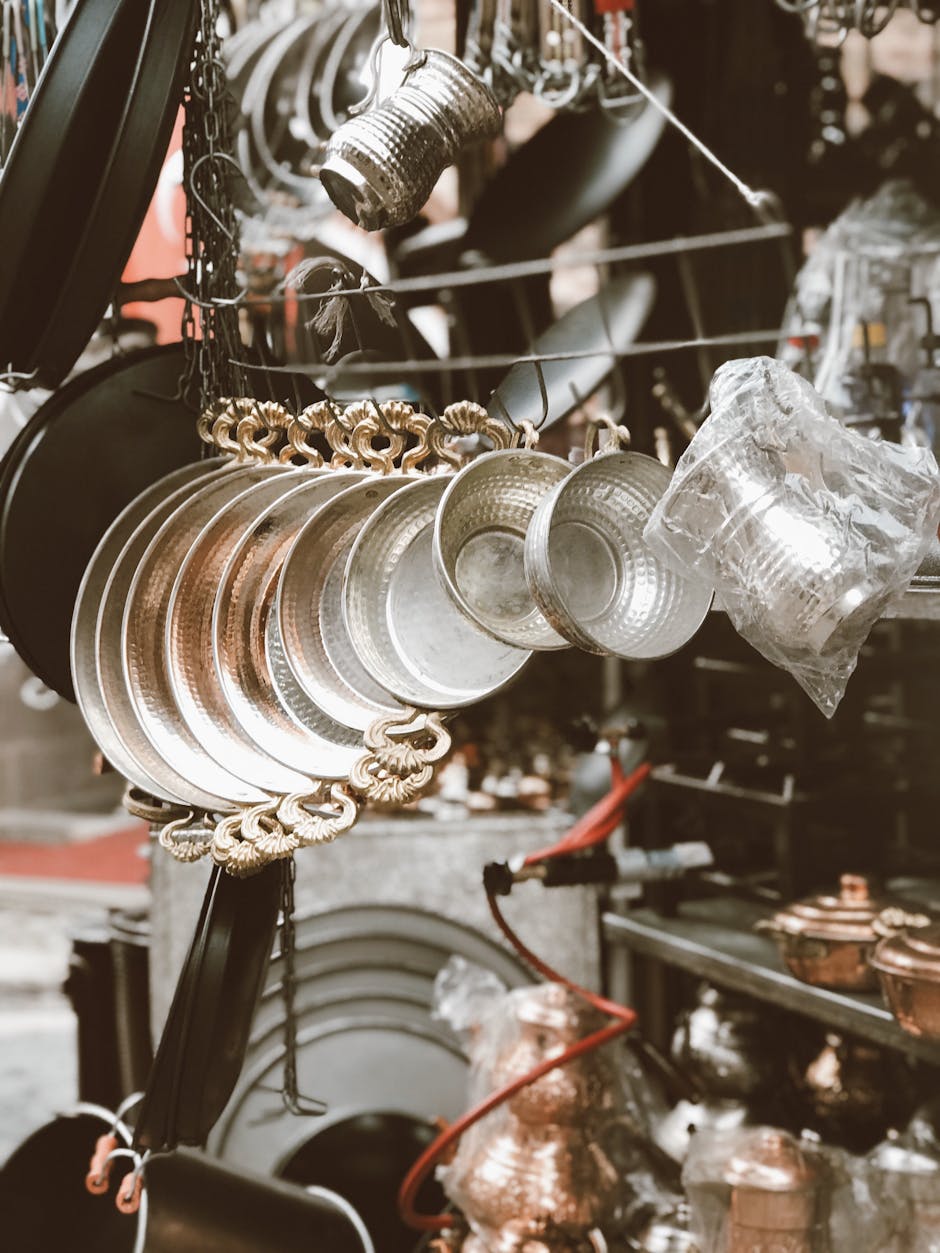
Top pick in high-quality cookware

Tramontina Grano Frying Pan 3-Ply Stainless Steel for Induction, Electric, Gas and Ceramic Glass Hobs, Cookware, Kitchen, 26 cm, 2.2 litres, 62155260
✓ Highly rated · ✓ Fast delivery available
Best High-quality cookware


Stainless steel pans are the workhorse of serious home cooks. They heat evenly, handle high temperatures without complaint, and won't react with acidic foods like tomato sauce or lemon juice the way cheaper aluminium can. A quality stainless steel frying pan from brands like Zwilling will cost you £80–£200, but it'll outlast three cheaper alternatives.
The downside? They're heavier than non-stick and require proper technique to prevent sticking—you need to preheat the pan and use enough fat. If you're the type who rushes breakfast, this might frustrate you.
Non-Stick Cookware and Pan Sets

Non-stick pans make weeknight cooking faster and cleanup effortless, which is why Tefal pan sets remain bestsellers in UK supermarkets. A typical Tefal five-piece set costs £40–£80 on sale, making it the budget-friendly entry point for anyone building their first kitchen.
The catch is durability. Non-stick coatings degrade over 2–3 years with regular use, especially if you use metal utensils or high heat. You'll find yourself replacing the set every few years, which adds up financially over time. They're brilliant for eggs and delicate fish, but they can't handle the searing heat a steak demands.
Cast Iron Cookware
Cast iron is the heirloom option—properly seasoned, it'll outlive you and work on any heat source from gas to Aga to campfire. A Lodge or Le Creuset cast iron skillet costs £30–£150 depending on size and brand, and you're genuinely buying something your grandchildren might use.
The learning curve is real, though. Cast iron needs seasoning, careful drying to prevent rust, and a different cooking mindset than modern non-stick. If you're not prepared to embrace that ritual, a cast iron pan will sit unused in your cupboard.

Copper-Bottomed and Hybrid Options
Premium High-quality cookware often features copper bottoms or multi-ply construction (stainless steel bonded to aluminium cores) for superior heat distribution. Brands like Prima position themselves in this space, offering £120–£250 pans that heat faster and more evenly than basic stainless steel.
These are genuinely better if you cook regularly and notice temperature inconsistencies in your current pans. A copper-bottomed saucepan heats a sauce more uniformly, reducing scorching on the bottom while the top stays cool. For someone cooking four or five nights a week, that's worth the investment.
Specialist Cookware
Beyond the basics, you'll encounter woks, tagines, griddles, and pressure cookers—each designed for specific cooking methods. A quality non-stick wok costs £25–£60 and genuinely changes how you approach stir-fries, while a cast iron griddle (£30–£80) becomes indispensable if you grill indoors regularly.
Current Deals — High-quality cookware
Don't buy specialist pieces until you know you'll use them. I've seen too many beautiful tagines gathering dust because someone bought one after watching a cooking show, then never made that recipe again.