Unscented candles exist for people who either have fragrance-sensitive households or want pure visual impact without the smell. These are brilliant if you've got pets, young children, or simply prefer your home to smell like nothing in particular. They're often cheaper—usually £4 to £12—because you're paying for wax and container, not the expensive essential oils or fragrance compounds.
Candle Sets and Collections

Sets are genuinely useful because they let you experiment with different scents or sizes without committing to full-price individual candles. A typical UK set might include three to five smaller candles (usually 40–80g each) for £15 to £35, giving you variety for less money per candle than buying separately. Brands like Yankee Candle and Wax Lyrical regularly sell sets, especially during autumn and winter when people are buying for their homes or as gifts.
The real advantage of a set is testing whether you actually like a scent before investing in a larger 200g jar. I've seen countless people buy a single expensive candle, light it once, and never touch it again because the smell wasn't what they expected in their actual room. Sets eliminate that gamble.
Pillar and Taper Candles
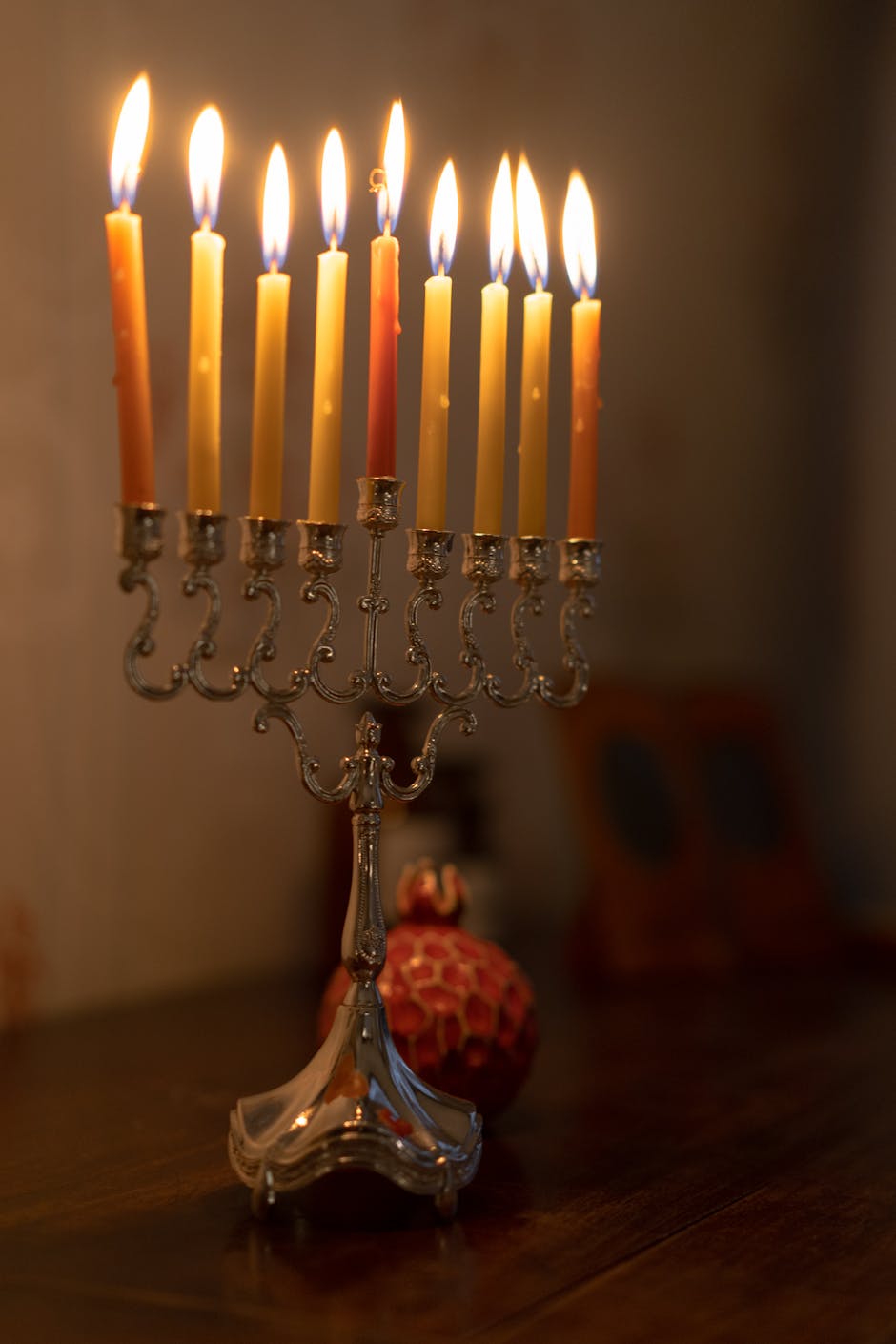
These are the traditional freestanding candles you'd use in a candlestick holder or on a mantelpiece. Pillar candles (thick, chunky, usually unscented) range from £3 to £15 depending on height and diameter, whilst taper candles (the thin, elegant ones) cost £1 to £3 each. They're brilliant for creating formal table settings or adding to a fireplace display, but they need proper holders and they drip if you're not careful.
The downside? They burn unevenly if you don't rotate them, and they're not ideal for everyday living rooms where you want low-maintenance ambiance. Save these for special occasions or decorative moments.
Luxury and Artisan Candles

The premium end of the UK market includes hand-poured soy candles, beeswax options, and designer brands that charge £30 to £80+ per candle. These often come in beautiful containers you'll actually want to display, use sustainable materials, and have complex fragrance profiles that actually change as they burn. Brands like Jo Malone and Diptyque sit here, and yes, you're paying for packaging and brand prestige, but the quality is genuinely different.
Beeswax candles specifically burn longer, cleaner, and smell naturally sweet without added fragrance—they're worth the premium if you want something that'll last months rather than weeks. A 200g beeswax candle typically costs £18 to £35.
Accessories and Add-ons
Candle accessories—wick trimmers, snuffers, matches, and storage boxes—aren't essential, but they genuinely improve your experience. A decent wick trimmer costs £4 to £8 and prevents black soot buildup that makes your candle look grubby. Decorative matches or a snuffer add polish to your display, especially if you're using pillar or taper candles.
Current Deals — candles
Storage boxes (usually £5 to £15) keep your candles dust-free and protect them from direct sunlight, which can fade the wax and weaken fragrance. If you're collecting multiple candles, one simple wooden or cardboard storage box keeps everything organised and looking intentional rather than cluttered.