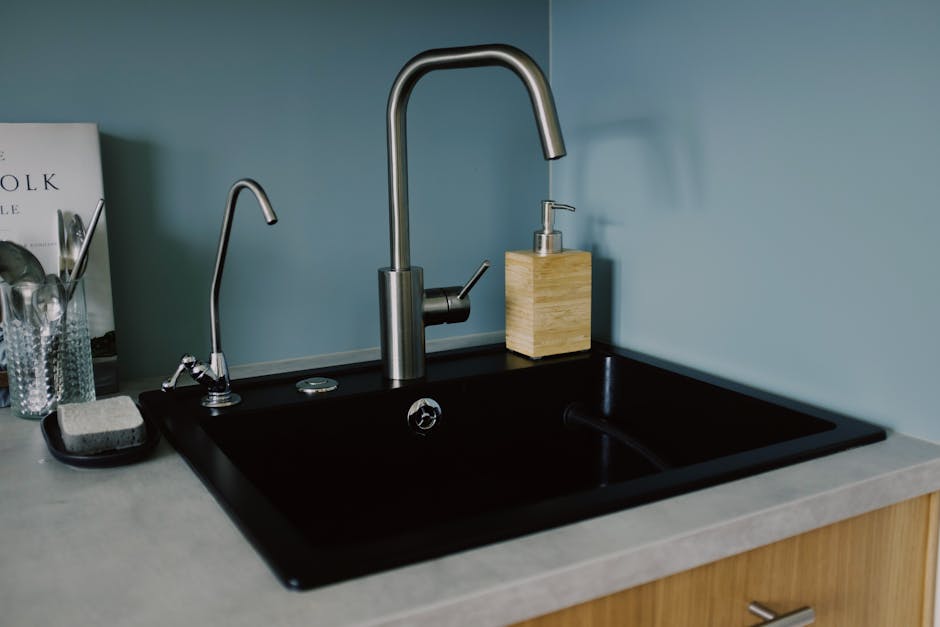
Top pick in modern kitchen taps

Kitchen Sink Mixer Tap with Hoses - Stainless Steel 360° Monobloc Single Lever Swivel Spout,High Arc Mono Basin Faucet,with 1/2'' Female for UK Standard Fittings (Modern)
✓ Highly rated · ✓ Fast delivery available
Best Modern Kitchen TapsUnder £55


Stainless steel and chrome are your safest bets for UK kitchens, especially if you've got hard water (which most of us do). Stainless steel resists fingerprints better and hides water spots more forgivingly than polished chrome, which means less constant wiping to keep it looking pristine. If you're drawn to matte black or brushed finishes, check the manufacturer's care instructions—some finishes require specific cleaning products to avoid streaking.
Spout Reach and Height

This matters far more than you'd think. Measure the distance from your tap's base to the centre of your sink—you want at least 200mm of clearance so you can actually fill tall pots and vases without contorting yourself. A tap that sits too low or has a stubby spout becomes genuinely frustrating within weeks, and you can't fix it without replacing the whole thing.
Weight and Build Quality
Pick up a tap if you can before buying (or read reviews that mention this). A substantial, heavy tap—typically 1.5kg or more—signals solid internal engineering and fewer moving parts that'll fail. Cheap Modern Kitchen Taps often feel hollow and plasticky because they are; the internal valve cartridges wear out faster, and replacement parts become expensive or unavailable.
Flow Rate and Water Efficiency
UK taps are now designed to meet water efficiency standards, and most Modern Kitchen Taps deliver around 5–6 litres per minute. This is perfectly adequate for washing up and filling pans, and it'll keep your water bills reasonable. If a tap claims significantly higher flow rates, it's either an older design or not compliant with current UK building regulations.

Compatibility with Your Kitchen Style
Modern doesn't mean one thing—it ranges from minimalist stainless steel with angular lines to softer, curved designs that work equally well in contemporary or transitional kitchens. Think about your cabinet colour, worktop material, and whether your kitchen leans industrial, Scandinavian, or something warmer. A tap is one of the most-touched objects in your kitchen, so it should feel right visually every time you reach for it.
Ease of Installation
If you're replacing an existing tap, check whether the new one fits your current hole configuration—most single-hole taps are standard, but some require different spacing. Wall-mounted taps look sleek but need solid backing and proper plumbing; deck-mounted (the traditional approach) is usually simpler if you're doing it yourself or with a local plumber.
These five factors form the backbone of any sensible tap purchase. When you're comparing options, especially within a tight budget, they'll help you spot which taps are genuinely built to last and which are cutting corners to hit a price point.