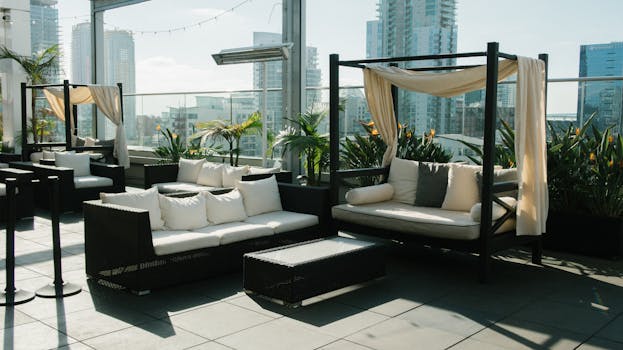
The real problem isn't your garden; it's the furniture sitting in it. Generic Luxury Rattan Outdoor Furniture UK pieces don't reflect who you are, they don't invite lingering conversations, and they certainly don't make you want to spend your precious free time outside. A 2023 garden design survey found that 68% of UK homeowners felt their outdoor space didn't match their home's interior aesthetic—and that disconnect matters more than most people realise.
Why Your Garden Deserves Better Than Basic
Think about how you use your home's interior. You've chosen colours, textures, and styles that make you feel something when you walk into a room. Your garden should do exactly the same thing, yet most of us treat it like an afterthought—a place to store the garden furniture equivalent of yesterday's clothes.
A well-designed outdoor space doesn't just look better; it genuinely changes how you live. You'll find yourself having breakfast outside more often, hosting friends without apologising for the setting, and actually using that garden you're paying for. Research from the Royal Horticultural Society shows that homeowners with thoughtfully designed gardens spend 40% more time outdoors, which has measurable benefits for mental health and family connection.
Beyond lifestyle, there's the practical matter of value. A garden that feels like an extension of your home—rather than a separate, neglected area—adds genuine appeal to your property. Estate agents consistently report that well-designed outdoor spaces influence buyer decisions, particularly in the UK where summer entertaining is increasingly important.
Why Rattan, and Why Now
Rattan has become the material of choice for luxury outdoor furniture in the UK, and not because it's trendy. It works because it's genuinely versatile—it moves seamlessly from Scandinavian minimalism to Mediterranean warmth to industrial-modern without looking out of place. A rattan corner sofa with clean lines and natural cushions reads completely differently from the same material styled with jewel-tone fabrics and layered textures.
What makes luxury rattan different from the basic versions you'll find in garden centres is the construction. Quality rattan uses hand-woven techniques, aluminium or stainless steel frames that won't rust in British weather, and cushion fabrics rated for outdoor use—not the thin, fading covers that deteriorate after one summer. You're looking at pieces that'll last 10+ years rather than 3, which actually makes them better value despite the higher initial cost.
The British climate, which most people assume is a barrier to outdoor living, actually makes rattan furniture more appealing. It's lightweight enough to move under cover when needed, it doesn't absorb moisture like wood does, and it develops a beautiful silvery patina over time if you choose to leave it natural—a look that's genuinely more sophisticated than trying to keep it pristine.
What You're About to Discover
This guide walks you through seven distinct design styles that transform rattan from "garden furniture" into a genuine design statement. Each style has its own character, its own colour palette, and its own way of making your garden feel intentional rather than improvised. Whether you're drawn to the calm minimalism of Scandinavian design or the warmth of Mediterranean living, there's a rattan approach that'll resonate with how you actually want to spend your time outside.
You'll also learn the practical details—what to look for when buying, how to integrate rattan with existing garden elements, and how to style it so it feels cohesive with your home's interior. By the end, you'll have a clear vision for what your garden could become, and the confidence to make it happen.
What Makes Luxury Rattan Different From Garden Centre Basics
Walk into any garden centre and you'll spot rattan furniture that looks similar to what you see in high-end design showrooms—same material, same general shape, wildly different quality and longevity. The difference isn't always obvious until you're sitting on it in year two, watching the weave fray and the frame start to wobble.
Luxury rattan begins with the source material itself. Quality rattan comes from specific regions—Indonesian and Vietnamese rattan tends to be finer and more densely woven than cheaper alternatives. When you run your hand across a luxury piece, the weave feels tight and uniform, with no gaps or loose strands. Budget versions use thicker, coarser rattan that's woven more loosely to save time and cost, which means it deteriorates faster and looks tired after a single season of British weather.
The frame is where most budget furniture fails spectacularly. Cheap rattan pieces often sit on steel frames that rust within months once the protective coating wears through—and in the UK's damp climate, that happens quickly. Luxury outdoor rattan uses either powder-coated aluminium or marine-grade stainless steel, both of which can genuinely handle years of exposure without degrading. You're paying roughly 40-60% more upfront, but you're getting furniture that'll still look intentional in a decade.
Construction Details That Actually Matter
The way rattan is attached to the frame separates pieces that'll last from pieces that'll disappoint. Budget furniture often uses staples or cheap adhesive—both fail when exposed to moisture and temperature changes. Luxury pieces use hand-wrapped techniques where the rattan is secured with marine-grade epoxy and wrapped tightly at stress points, then sealed with UV-protective varnish.
Look at the joints where pieces connect—a corner sofa or daybed has multiple connection points that bear weight. In quality furniture, these joints are reinforced with internal metal brackets and use mortise-and-tenon style connections (borrowed from fine furniture making). A budget corner sofa might use simple bolts that loosen over time; a luxury version uses hidden reinforcement that keeps the structure rigid for years.
Cushion quality is equally important and often overlooked. Outdoor cushions need fabric rated for UV exposure and water resistance—specifically, look for solution-dyed acrylic or high-performance polyester with a minimum SPF rating of 50+. Cheap outdoor cushions use standard indoor fabric that fades to a washed-out grey within one summer and absorbs water like a sponge. Quality cushions use foam cores that drain quickly and fabrics from brands like Sunbrella or Outdura, which cost more but maintain their colour and integrity through years of British weather.
Why Rattan Works Better Than Other Materials in the UK
You might wonder why rattan is better than teak, metal, or plastic for British gardens. Teak is beautiful and durable, but it's heavy (moving a teak sofa is genuinely difficult), expensive, and requires regular maintenance to prevent greying. Metal furniture conducts heat and cold, making it uncomfortable in British weather—sit on a metal chair in April sunshine and your legs will tell you exactly what I mean.
Plastic resin furniture is lightweight and affordable, but it looks cheap and doesn't age gracefully; it becomes brittle and discoloured within a few years. Rattan gives you the best of everything: it's lightweight enough to move if you need to cover it during heavy rain, it doesn't conduct temperature extremes, it develops character as it ages, and it genuinely suits the aesthetic of British homes from Victorian terraces to modern new builds.
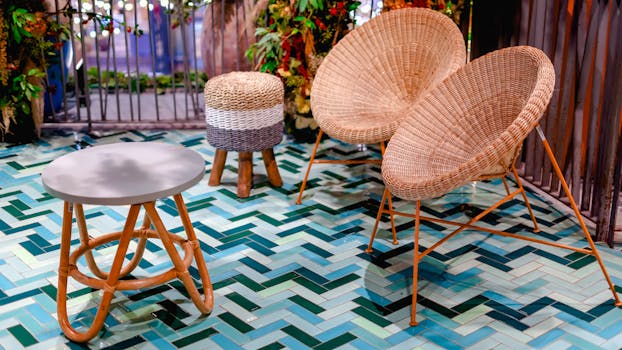
The material also breathes, which matters more than you'd think. On humid British days, rattan doesn't trap moisture the way fabric-wrapped frames do. Water runs through the weave rather than pooling, which means your furniture dries faster and stays fresher-smelling even after weeks of damp weather.
Investment vs. Cost: The Real Numbers
A quality rattan corner sofa from a luxury outdoor furniture specialist costs between £2,500 and £5,000. A similar piece from a garden centre might be £800-1,200. The difference feels significant until you do the maths: if the luxury piece lasts 10 years and the budget piece lasts 3, you're actually spending less per year on the quality option.
More importantly, luxury rattan pieces hold their aesthetic value throughout their lifespan. A budget rattan sofa looks noticeably worn after two seasons; a quality piece still looks intentional and well-maintained. That matters when you're creating a garden space that genuinely reflects your home and your taste.
Style 1: Scandinavian Minimalism — Clean Lines, Calm Spaces
Scandinavian design has dominated UK interiors for the past decade, and it translates beautifully to outdoor spaces because it's fundamentally about creating calm through simplicity. Natural materials, neutral palettes, and uncluttered layouts make your garden feel like a peaceful extension of your home rather than a separate entertainment zone.
With rattan, Scandinavian style means choosing pieces with clean, geometric lines—think low-profile corner sofas with minimal cushioning and natural or whitewashed finishes. The rattan weave should be visible and celebrated, not hidden under layers of fabric or ornate detailing. A 2.5-metre corner sofa in natural rattan with four simple square cushions in off-white linen creates the exact aesthetic: functional, beautiful, and completely unadorned.
Colour restraint is essential here. Your palette should include natural rattan tones, soft greys, whites, and perhaps one accent colour—pale blue or sage green work beautifully without disrupting the calm. Avoid patterned cushions or bright hues; they fight against the minimalist philosophy and make the space feel busy rather than restful.
Creating the Scandinavian Garden Atmosphere
The magic of Scandinavian outdoor spaces comes from negative space—leaving room to breathe rather than filling every corner. Place your rattan sofa on a simple decking platform or pale gravel, add a low wooden side table (teak or pine, nothing ornate), and stop there. Resist the urge to accessorise heavily; one potted plant or a simple lantern is enough.
Lighting matters enormously in Scandinavian design. String lights or simple pendant lamps in matte black create warmth without fussiness, and they're particularly effective in British gardens where summer evenings stay light until 9 p.m. The combination of natural daylight and soft artificial light in a minimalist setting creates genuine hygge—that Danish sense of cosy contentment that makes you want to linger outside.
Textiles should be functional rather than decorative. Choose cushion covers in natural fibres—linen, cotton, or performance blends—in neutral shades. If you want texture, layer a simple throw over the sofa back, but keep it understated. A single cream wool throw across a natural rattan sofa is far more Scandinavian than a collection of patterned cushions.
Materials and Finishes for Scandinavian Rattan
<strong>Luxury <strong>Rattan Outdoor</strong> Furniture UK</strong>


Natural rattan (untreated or with clear matte varnish) is your best choice here—it ages beautifully and develops a silvery patina that's genuinely more sophisticated than keeping it pristine. If you prefer a lighter look, whitewashed or light grey rattan works equally well, though it requires occasional maintenance to keep the finish consistent.
Pair your rattan with materials that echo Scandinavian values: untreated wood, concrete, natural stone, and matte metals. A simple metal frame in charcoal or black complements natural rattan perfectly. Avoid shiny finishes, brass accents, or anything that feels decorative for its own sake.
The frame structure should be visible and honest—no hidden mechanics or ornate joints. Quality Scandinavian rattan furniture shows its construction as part of its beauty, which is why luxury pieces with visible aluminium frames actually suit this style better than fully concealed designs.
Real-World Scandinavian Garden Example
Picture a North London terraced garden: a 4 × 3 metre space with a natural rattan L-shaped sofa, positioned to face the garden rather than the house. Simple grey outdoor cushions, a low wooden coffee table, and a single potted olive tree create a complete Scandinavian setup that cost around £3,200 for the furniture. The owners report spending significantly more time outside because the space feels intentional and restful rather than like an afterthought.
This style works particularly well in smaller UK gardens because minimalism creates a sense of spaciousness—you're not competing with clutter for visual attention. The calm aesthetic also means your garden feels cohesive year-round; even in winter, when the rattan is bare and the garden is dormant, the space still feels thoughtfully designed rather than abandoned.
Style 2-4: Mediterranean, Industrial-Modern, and Japandi — Three More Design Directions
Mediterranean: Warmth, Colour, and Layered Living
Mediterranean design brings the feeling of a Greek island or Tuscan villa into your British garden—and it's surprisingly achievable with the right rattan pieces. This style celebrates colour, texture, and abundance in a way that feels completely different from Scandinavian restraint, yet equally inviting.
Choose rattan in warm honey or golden tones, then layer it with jewel-coloured cushions: deep terracotta, navy blue, or olive green. A 3-metre curved rattan sofa becomes the heart of your space, dressed with patterned outdoor fabrics featuring geometric or botanical prints. The key is mixing patterns confidently—Mediterranean design thrives on visual richness, not matching sets.
Accessorise generously but thoughtfully. Add a low wooden side table in weathered teak, scatter lanterns with flickering candles, and position potted lemon or olive trees around the seating area. The combination of natural materials, warm lighting, and abundant greenery creates an atmosphere that makes you feel like you're on holiday without leaving your postcode.
A Manchester homeowner transformed her 5 × 4 metre garden with a honey-toned rattan corner sofa (£3,800), paired with terracotta and navy cushions, vintage-style metal lanterns, and climbing jasmine along the fence. She now hosts regular dinner parties and reports that guests immediately feel transported to somewhere warmer and more relaxed than suburban England.
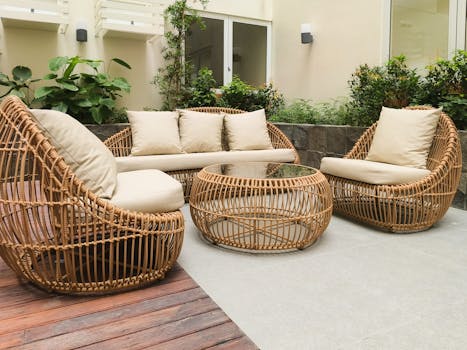
Industrial-Modern: Raw Materials and Contemporary Edge
Industrial style pairs rattan with exposed metal, concrete, and minimalist lines—creating a garden that feels urban and contemporary rather than traditionally outdoor. This works brilliantly in modern UK homes, particularly those with industrial architectural features like exposed brick or metal window frames.
Select rattan in natural or dark grey finishes, then pair it with charcoal or black cushions in solid colours or subtle geometric patterns. The frame should be visible and intentional—matte black aluminium or powder-coated steel that echoes the material palette of your home's exterior. A rectangular rattan sofa positioned against a rendered concrete wall or facing a modern water feature creates genuine visual impact.
Lighting is crucial here: choose pendant lamps with exposed bulbs or matte black metal shades, and position them at varying heights to create architectural interest. Add a simple metal side table (steel or aluminium, nothing ornate) and perhaps a single sculptural plant in a concrete pot. The restraint is intentional—every element should feel purposeful rather than decorative.
A Bristol loft owner with a rooftop garden used a dark grey rattan modular sofa (£4,200) with charcoal cushions, paired with steel-framed side tables and industrial pendant lighting. The result feels like an extension of his interior living space rather than a separate garden area, which is exactly what industrial design achieves.
Japandi: Serene Minimalism Meets Warm Texture
Japandi—the fusion of Japanese and Scandinavian design—has become increasingly popular in UK homes, and it's genuinely transformative in outdoor spaces. It combines the calm minimalism of Scandinavian design with the natural warmth and craftsmanship of Japanese aesthetics.
Choose natural or light grey rattan with a visible, tight weave that celebrates the material's texture. Pair it with neutral cushions in warm creams, soft greys, or muted sage tones. The difference from pure Scandinavian style is the emphasis on natural materials and handcrafted quality—your rattan should feel like artisanal work rather than mass production.
Create a sense of deliberate emptiness around your seating area; leave space for movement and breathing. Add a low wooden platform (decking or raised beds work beautifully), perhaps a simple water feature or stone lantern, and carefully selected plantings—bamboo, Japanese maples, or ornamental grasses that move gently in the breeze. The garden becomes a place for quiet contemplation rather than entertaining crowds.
A Bath homeowner created a Japandi garden with a natural rattan daybed (£2,900), positioned to overlook a small gravel garden with bamboo screening. She added soft linen cushions and a simple wooden side table, creating a peaceful retreat that she uses for morning coffee and evening reflection. The investment in quality rattan was worth it because the space genuinely reflects her values and how she wants to spend time.
Style 5-7: Tropical, Bohemian, and Contemporary Coastal — Complete Your Design Options
Tropical: Lush, Vibrant, and Unapologetically Bold
Tropical design transforms your garden into an exotic escape, perfect if you're drawn to colour, pattern, and the feeling of being somewhere gloriously warm. Rattan is essentially tropical in origin, so this style feels entirely natural and authentic rather than forced or themed.
Select rattan in warm honey or natural tones, then embrace bold cushion colours: coral, turquoise, lime green, or deep magenta. Mix patterns confidently—geometric prints alongside botanical designs, striped throws layered with patterned cushions. The abundance of colour and texture creates energy and joy, which is exactly what tropical design delivers.
Layer your space with abundant greenery: ferns, bird of paradise plants, and climbing vines create a canopy effect that makes your garden feel enclosed and jungle-like. A London homeowner created a tropical retreat in her 6 × 5 metre garden with a natural rattan modular sofa (£4,100), dressed with vibrant cushions in coral and teal, surrounded by potted palms and hanging planters. She now uses the space constantly because it genuinely transports her somewhere else.
Bohemian: Eclectic, Personal, and Wonderfully Layered
Bohemian style celebrates individuality and collected treasures—it's about creating a space that tells your story rather than following design rules. Rattan is perfect for this because its natural warmth accommodates mismatched pieces and eclectic styling without looking chaotic.
Choose natural or honey-toned rattan, then layer it with cushions in varying colours, patterns, and textures—vintage kilim prints, embroidered fabrics, macramé throws, and patterned rugs create visual richness. Add vintage or handcrafted side tables, string lights, and an abundance of potted plants at different heights. The key is authenticity: include pieces you genuinely love rather than items chosen to match a colour scheme.
A Manchester designer created a bohemian garden using a natural rattan corner sofa (£3,600) paired with vintage cushions collected over years, a reclaimed wooden table, and string lights woven through climbing ivy. The space feels deeply personal and inviting because every element reflects her taste and travels rather than a predetermined aesthetic.
Contemporary Coastal: Relaxed Elegance by the Sea
Contemporary coastal design works brilliantly in UK gardens, particularly those with views or proximity to water. It's coastal style without the clichéd nautical references—instead, it's about soft, relaxed elegance inspired by seaside living.
Choose natural or whitewashed rattan paired with soft linen cushions in whites, soft blues, and warm greys. The palette should feel like weathered driftwood and sea glass: muted, natural, and calming. Add simple wooden elements (bleached or natural teak), soft rope details, and perhaps a weathered metal lantern or two. The overall effect is sophisticated rather than beachy-themed.
A Brighton homeowner created a contemporary coastal garden with a whitewashed rattan L-shaped sofa (£3,950), dressed with soft linen cushions and a simple wooden coffee table. She positioned it to face her garden's water feature, added climbing jasmine along the fence, and included subtle rope details on side tables. The result feels like a private seaside retreat without any of the kitsch.
Bringing It All Together: Choosing Your Style
You've now seen seven distinct design directions, each transforming rattan from basic garden furniture into a genuine design statement. The style you choose should reflect how you actually want to spend time in your garden and what makes you feel at home.
Start by considering your existing home's interior aesthetic—your garden should feel like a natural extension rather than a visual departure. If your home is minimalist, Scandinavian or Japandi will feel cohesive; if it's eclectic and colourful, Bohemian or Tropical will sing. Your garden's size, orientation, and existing features (trees, fences, views) also influence which style works practically.
The investment in quality rattan furniture pays dividends because it genuinely lasts and adapts across styles as your taste evolves. Unlike trend-driven pieces that feel dated within seasons, luxury rattan has the timeless quality of well-made natural materials. Your garden can become the retreat you've imagined—not basic, not bland, but genuinely reflective of who you are and how you want to live.